My Husband Divorced Me, Then Asked Me To Stay His Wife Without Being Married
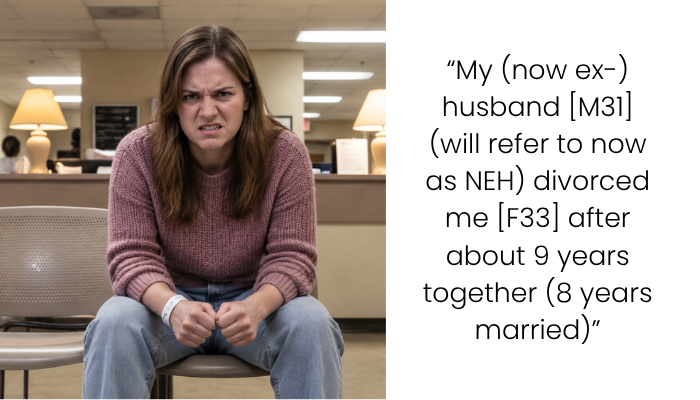
This story follows a woman who must make a difficult decision after her marriage ends. Her ex-husband wanted a legal divorce while still keeping their relationship as if they were married. After nearly a decade together, she felt unsure about this arrangement because their marriage had already faced many challenges.
Their relationship had been affected by mental health struggles, financial disagreements, and problems with sharing responsibilities. A major argument happened when she chose to keep her future inheritance money separate. She believed this decision was a form of financial planning and protection based on past experiences.
Although her ex later faced serious challenges, including financial stress and personal struggles, she had already started healing and building a different future. She still had feelings for him, which made the situation even more difficult. She questioned whether she was being unfair or simply making a choice that was right for her.
This story brings attention to important topics such as relationship choices, emotional wellness, financial independence, and personal boundaries. It shows that healthy relationships require trust, respect, and commitment from both people. Sometimes moving forward means accepting change and choosing what supports your long-term happiness.



Mental Illness, Marriage, and the Importance of Responsibility and Boundaries
Mental health conditions can affect many areas of life, including relationships, emotions, communication, and decision-making.
Bipolar disorder is one condition that can create challenges in a marriage. During a manic episode, some people may experience changes in their mood, thoughts, and behavior. They may feel unusually confident, act without thinking, make risky choices, spend money impulsively, or become more easily irritated.
These changes can sometimes lead to decisions that a person may not make when they are feeling stable.
However, mental illness and personal responsibility can exist together. A diagnosis can help explain why someone behaved a certain way, but it does not remove the impact those actions have on other people.
Understanding a person’s struggles does not mean ignoring the pain or problems their actions may cause.
Mental Health Challenges and Personal Responsibility
Supporting a partner with bipolar disorder requires patience, kindness, and understanding.
At the same time, every healthy relationship needs:
- Respect
- Trust
- Honest communication
- Emotional support
- Shared responsibility
A mental health condition may affect how someone behaves, but both partners’ feelings and needs still matter.
A relationship can become unhealthy when one person’s challenges leave the other person feeling constantly responsible for everything.
The goal is not blame. The goal is finding a balance between support and accountability.
Marriage and Different Ways of Managing Money
Financial disagreements are common in many marriages.
Every couple has their own approach to handling money. Some couples combine all their finances, while others keep separate accounts or use a mix of both options.
There is no single financial system that works for everyone.
A healthy financial partnership usually includes:
- Open conversations about money
- Clear expectations
- Trust between partners
- Agreement about financial decisions
Keeping some money separate does not always mean someone does not trust their partner.
For example, many people choose to keep inherited money or personal assets separate. In many places, inheritance can have different legal treatment compared with regular marital income, especially when it is kept separate.
Some people do this to respect the wishes of the person who gave them the inheritance or to keep personal financial records clear.
When Financial Decisions Feel Personal
Sometimes money disagreements are not only about finances.
They can become connected to deeper emotions, such as feeling loved, valued, or secure.
One partner may see separate finances as a practical choice. The other partner may see it as a sign of emotional distance or a lack of commitment.
This difference in understanding can create conflict.
Healthy communication is important because couples need to discuss not only what they are doing with money, but also why they feel that way.
Marriage Is Built on Shared Expectations
Marriage is both a legal commitment and an emotional partnership.
For many people, marriage represents:
- Security
- Loyalty
- Teamwork
- Shared goals
- Long-term commitment
Problems can happen when two people have different ideas about what marriage should look like.
For example, one partner may want to continue the emotional relationship but change the legal or financial parts of marriage. The other partner may feel that those changes affect the meaning of the commitment.
Both people may have real feelings, but their expectations may no longer match.
A strong relationship requires both partners to agree on what commitment means.
The Emotional Impact of Being the Caregiving Partner
When one partner lives with a mental health condition, the other partner may sometimes take on extra responsibilities.
Over time, this can lead to caregiver stress, emotional exhaustion, and relationship burnout.
A caregiver may feel:
- Tired from always providing support
- Overwhelmed by responsibilities
- Alone in making decisions
- Guilty for feeling frustrated
- Disconnected from their own needs
Helping a loved one is important, but caregivers also need care and support.
A healthy relationship should allow both people to feel respected and valued.
Feeling Guilty After a Partner’s Manic Episode
Many people who love someone with bipolar disorder feel guilty after difficult situations.
They may wonder:
“Should I have noticed something sooner?”
“Could I have prevented this?”
These feelings are common, but partners are not mental health professionals.
A spouse can provide support, encourage treatment, and offer understanding, but they cannot diagnose or control another person’s mental health condition.
Bipolar disorder treatment often involves healthcare professionals, therapy, medication management when appropriate, and ongoing support.
Why Boundaries Matter in Relationships
Compassion and boundaries can exist together.
A person living with mental illness deserves support and understanding. At the same time, their partner also deserves:
- Emotional safety
- Respect
- Stability
- A healthy relationship environment
Setting boundaries does not mean someone is being uncaring.
Boundaries help protect both people and create a healthier relationship.
For example, couples may need to discuss:
- How they communicate during conflicts
- Financial expectations
- Shared responsibilities
- Treatment and support plans
When Love Is Not Enough to Continue a Relationship
Sometimes people decide to leave a relationship even when they still care deeply about their partner.
This does not always mean there is no love.
Sometimes it means the relationship no longer provides the trust, security, or partnership needed for a healthy future.
Mental illness can create difficult challenges in marriage, but a strong relationship also requires:
- Mutual effort
- Respect
- Communication
- Responsibility
- A willingness to grow together
The most important lesson is that both people matter.
Someone experiencing mental health challenges deserves compassion and support. Their partner also deserves understanding, respect, and emotional wellbeing.
A person can be loved deeply and still not be the right person to continue building a healthy life with.
See What Others Are Saying