My Friend Blamed Me for His Dad’s Death Because I Took a Vacation — AITA?

A woman opened up about a friendship conflict involving money, family, and personal choices. She explained that she had been carefully saving money for a laptop. Later, when her husband bought her a laptop as a gift, she decided to use her savings for a meaningful vacation with her daughter. She wanted to create a special family memory by taking her daughter on her first beach trip.
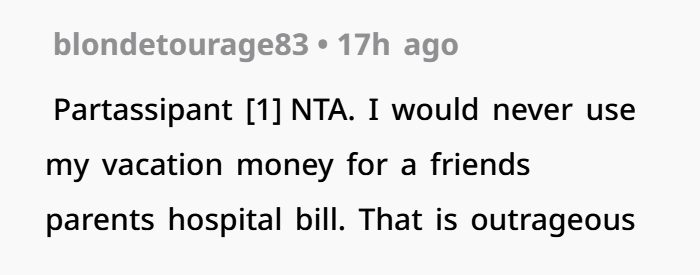
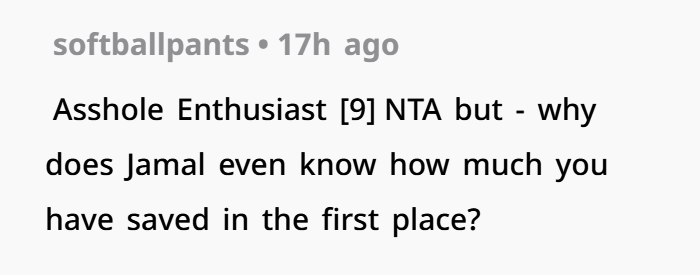
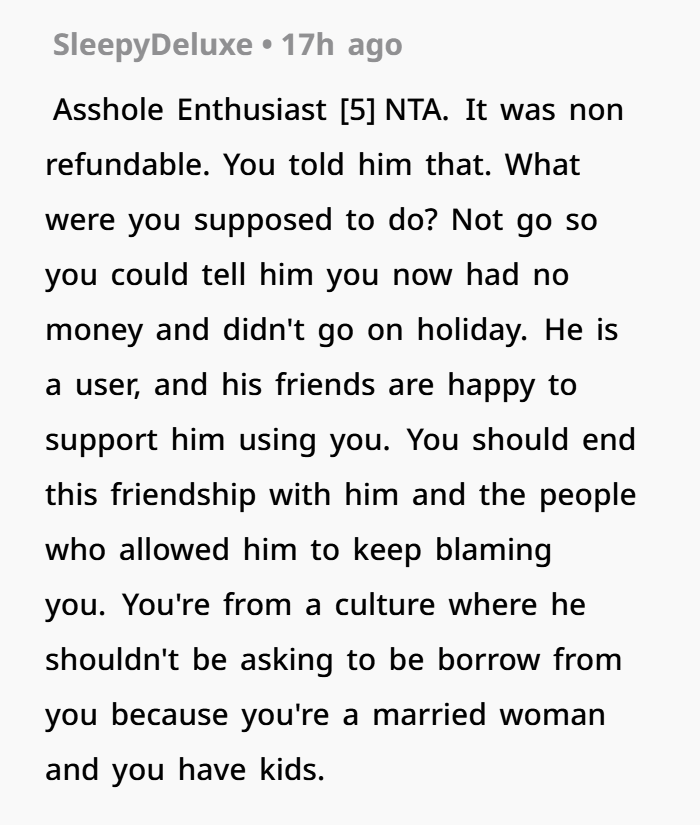
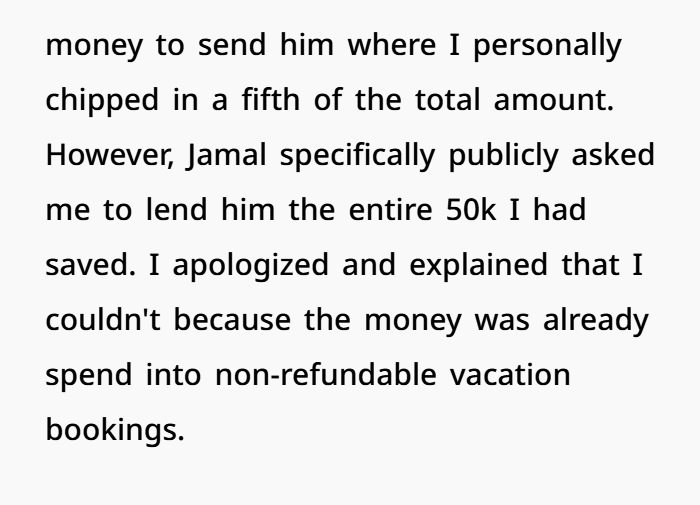
Before the vacation, her friend Jamal experienced a heartbreaking situation. His father had a serious stroke and needed emergency medical treatment. The woman did not ignore his situation. She donated money and joined their group of friends in helping him. However, she chose to keep her remaining savings because her travel plans were already confirmed and the vacation costs were non-refundable.
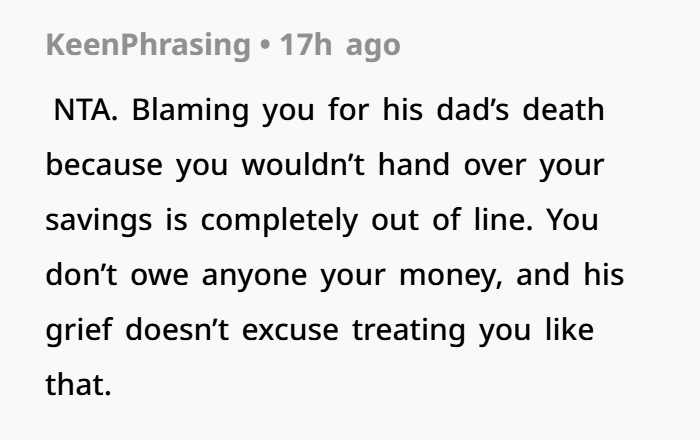
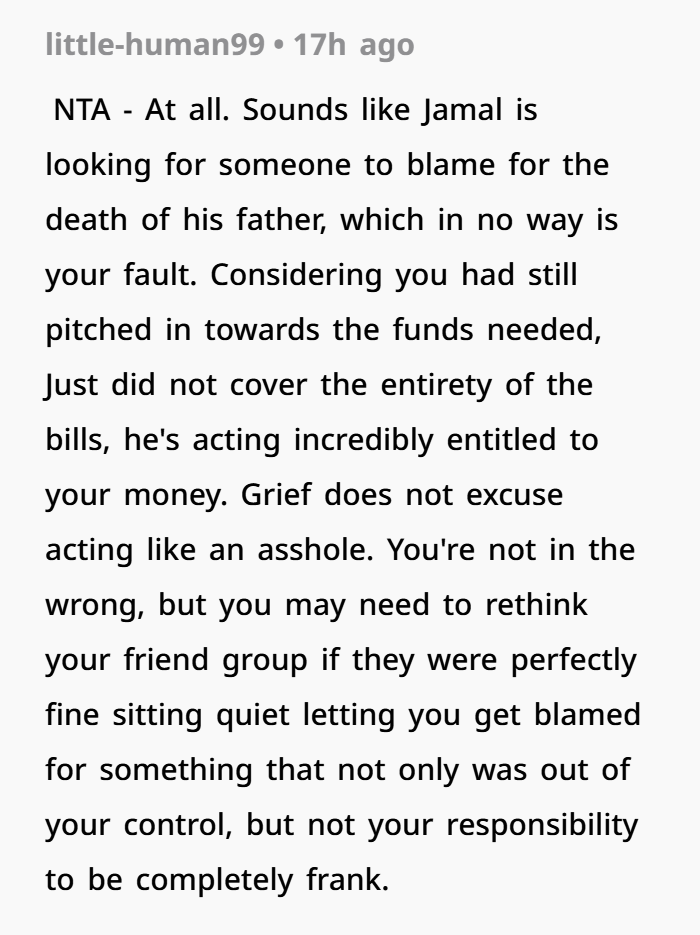
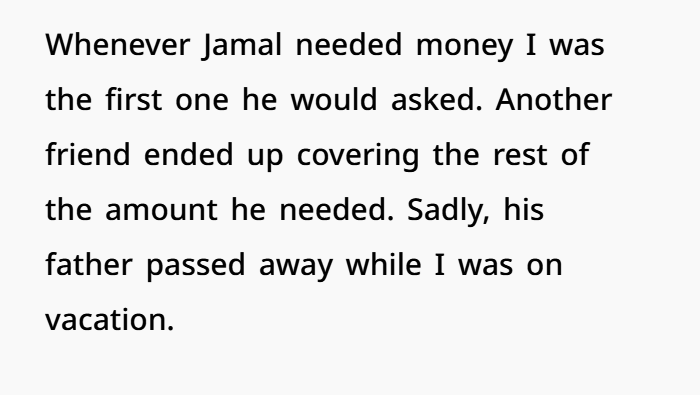
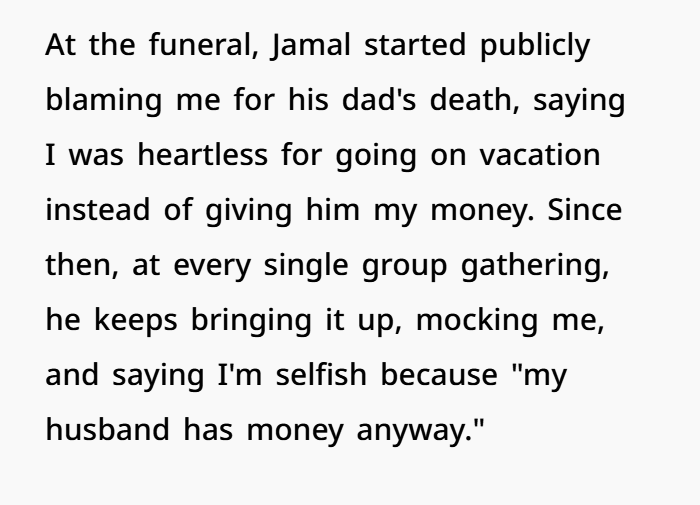
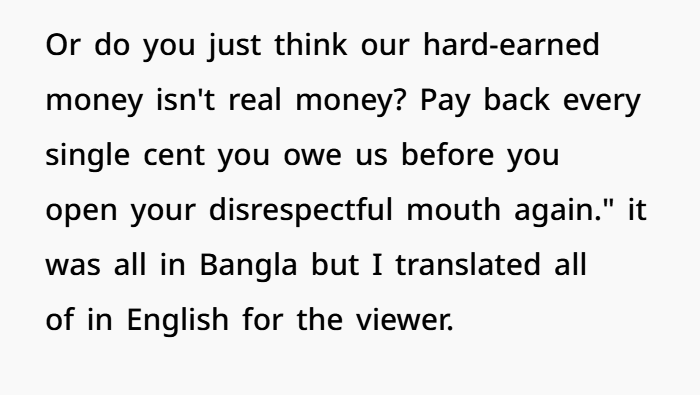
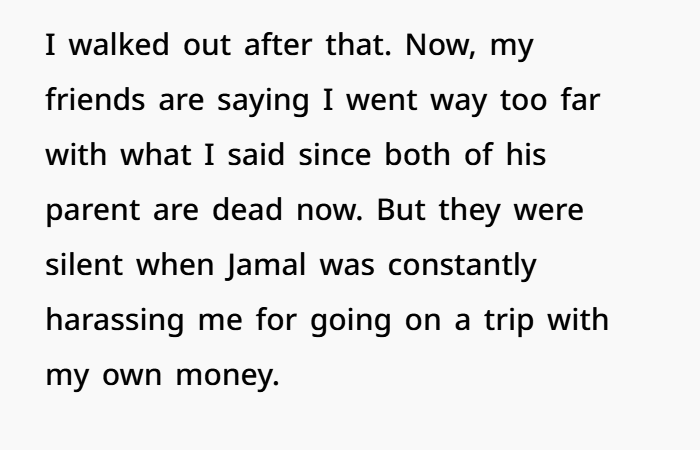
Sadly, after Jamal lost his father, he became upset with her decision. He told her that she was selfish and suggested that her money could have changed the outcome. Hearing these comments made her feel guilty and emotionally hurt. She believed she had done what she could while also respecting her own financial boundaries.
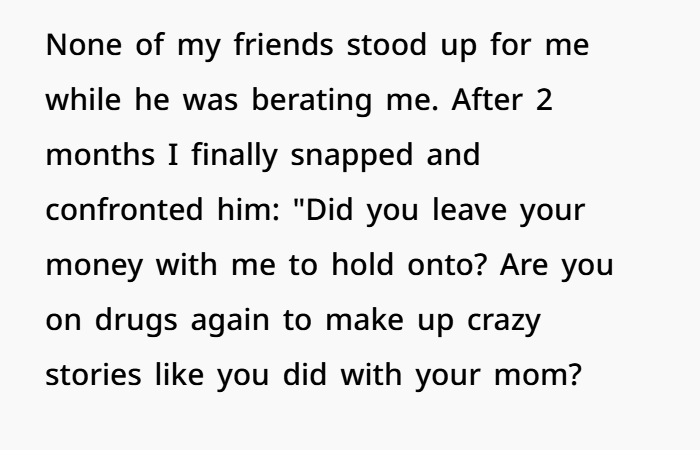
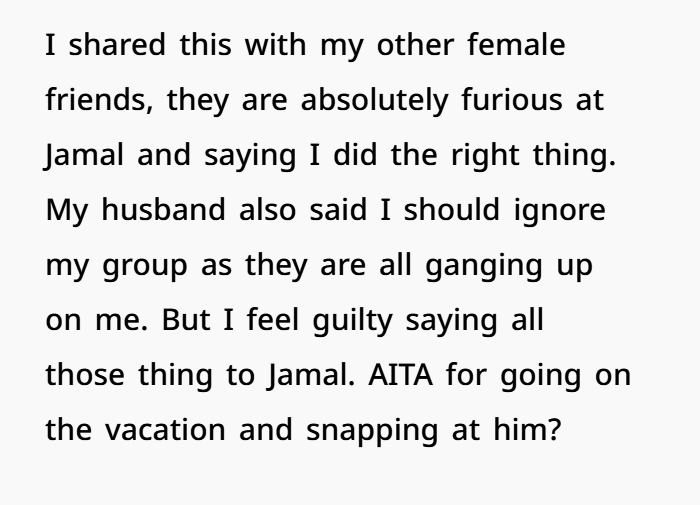
After months of feeling blamed and criticized, she finally spoke to Jamal about how his words affected her. Although she regrets some things she said during the argument, she also wishes her friends had stepped in and supported her. Her story highlights the importance of healthy relationships, emotional support, and making thoughtful financial decisions.

Was She Responsible for Paying Her Friend’s Father’s Medical Bills?
Money problems can become very difficult when they involve close friends and family. When someone faces a serious medical emergency, emotions can become very strong. People may feel fear, stress, sadness, and even anger.
A situation like this can create an important question: Was a friend responsible for paying another family’s medical bills?
Many people have different opinions. Some believe that a friend should do everything possible to help during a crisis. Others believe that everyone has the right to protect their own savings and make personal financial decisions.
The truth is that helping someone is an act of kindness. It is not always a responsibility.
Medical Emergencies Can Create Huge Financial Stress
Unexpected health problems can bring major financial challenges. A serious illness, hospital stay, or emergency treatment can lead to expensive medical bills.
Many families struggle with healthcare costs because they are not prepared for sudden expenses. This is why people often depend on different sources of support, such as:
- Family members
- Friends
- Community help
- Charity organizations
- Medical fundraising platforms
- Personal loans or emergency savings
When someone needs help, asking for support is understandable. However, asking for help and expecting someone to give away their personal savings are two different things.
A person may care deeply about a friend but still have their own financial responsibilities. They may be saving money for education, household needs, future plans, or an emergency fund.
Helping a Friend Does Not Mean Giving Up Everything
Friendship is built on care, trust, and support. Good friends often help each other during difficult moments. They may provide emotional support, visit during stressful times, or contribute money if they are able to do so.
But financial help should always be a personal choice.
No one should feel forced to give money because they are afraid of being called selfish. Personal savings belong to the person who earned them. Everyone has the right to decide how they use their money.
For example, someone may save money for:
- A family goal
- A new computer or device
- Education expenses
- Future emergencies
- Important personal plans
Choosing not to spend those savings on someone else’s medical expenses does not automatically mean that person does not care.
The Importance of Healthy Financial Boundaries
Many people find it difficult to say no when someone close asks for money. They worry that refusing will damage the relationship.
This is where financial boundaries become important.
Healthy financial boundaries mean understanding that you can support people without putting your own financial security at risk.
A person can say:
“I care about you, but I cannot use all of my savings for this situation.”
This does not make someone a bad friend. It means they are making a responsible financial decision.
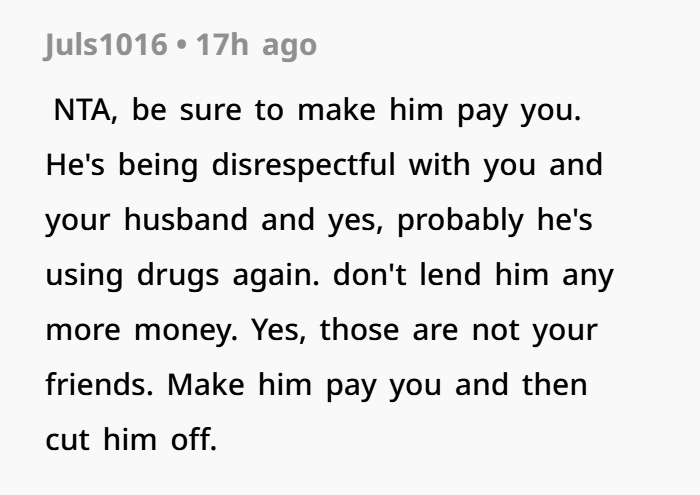
Problems begin when someone uses guilt or pressure to get money. Statements like “If you really cared, you would give me everything you have” can create an unhealthy situation.
Support should come from kindness, not from fear or emotional pressure.
Grief Can Change How People React
Losing a parent is one of the most painful experiences a person can face. Grief can bring many emotions, including sadness, anger, confusion, and regret.
After losing someone they love, some people may search for reasons why things happened. They may think about what could have been done differently.
This can sometimes lead to blaming others.
However, grief does not give someone permission to hurt another person. Feeling pain can explain why someone is angry, but it does not make unfair behavior acceptable.
Blaming a friend for a family member’s medical outcome can cause emotional harm, especially if that friend was never responsible for the situation.
Is Someone Legally Responsible for Another Person’s Medical Bills?
In most situations, a person is not legally responsible for another adult’s healthcare costs just because they refused to provide money.
Medical responsibility usually belongs to the patient, their family, insurance coverage, or other legal arrangements.
There can be special cases involving legal agreements, guardianship, or specific responsibilities. But a friend deciding not to use their personal savings for someone else’s treatment is usually a personal financial choice.
The Bigger Issue: Rising Healthcare Costs
This story also shows a larger problem many families face: the high cost of healthcare.
Medical expenses can create financial pressure for people around the world. A sudden illness can affect savings, family budgets, and future plans.
This is why many people focus on building:
- Emergency savings
- Health insurance coverage
- Financial planning habits
- Community support systems
Having a plan for unexpected expenses can help families feel more prepared during difficult times.
Friends Also Need Respect and Understanding
Friendship is not only about helping others. It is also about respecting their choices.
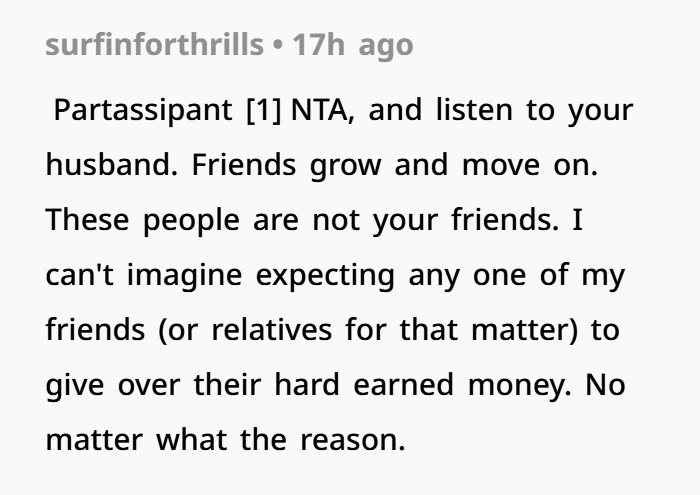
A healthy friendship allows people to support each other without keeping a list of what someone “owes.”
If one person believes they can demand money, sacrifice, or constant support from another person, the relationship can become unhealthy.
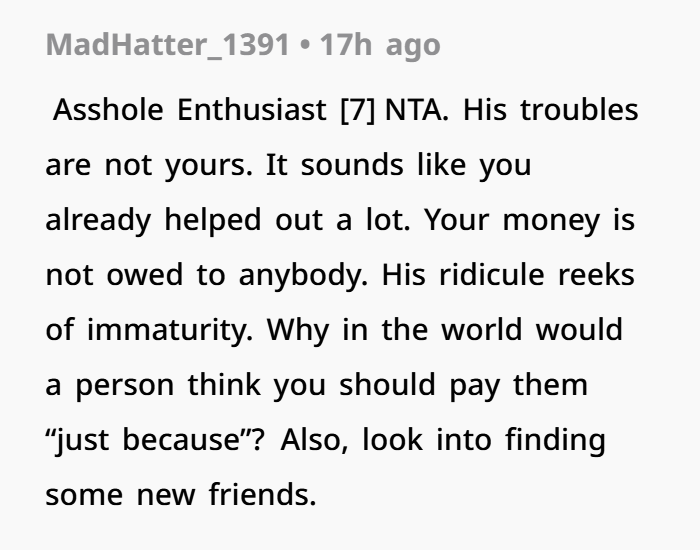
In this situation, the friend group also played a role. When people see ongoing arguments or unfair treatment, staying silent can sometimes make the problem worse.
Good friends should encourage understanding, honest conversations, and respect.
When Anger Goes Too Far
After months of being blamed and criticized, it is understandable that someone may finally lose patience.
However, saying hurtful things during an argument can create more damage. When people are deeply hurt, they may say things they later regret.
Two things can be true at the same time:
One person’s blaming behavior may have been unfair, and the other person’s angry response may have been too harsh.
The healthiest solution is often a calm conversation where both people recognize their feelings and take responsibility for their actions.
The Real Lesson About Money and Friendship
This story is not only about medical bills. It is about trust, money, responsibility, and personal boundaries.
Helping someone during a difficult time is a wonderful act of kindness. But nobody should be forced to risk their own financial stability to prove they care.
A strong friendship is based on compassion, respect, and understanding.
People can support others while still protecting their own savings, goals, and future.
At the end of the day, kindness matters. But healthy relationships also require boundaries.
Top Comments From Readers