Stranger Questions Mixed-Race Dad While Shopping With His Son
Even though society has made progress over the years, discrimination and unfair judgment still exist in many communities. Sometimes, people may not openly express harmful beliefs, but their actions can still be influenced by unconscious bias.
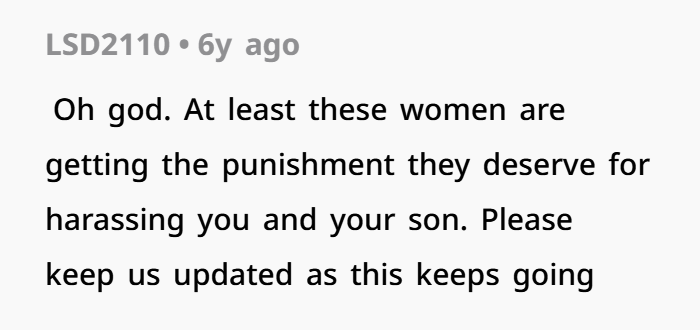
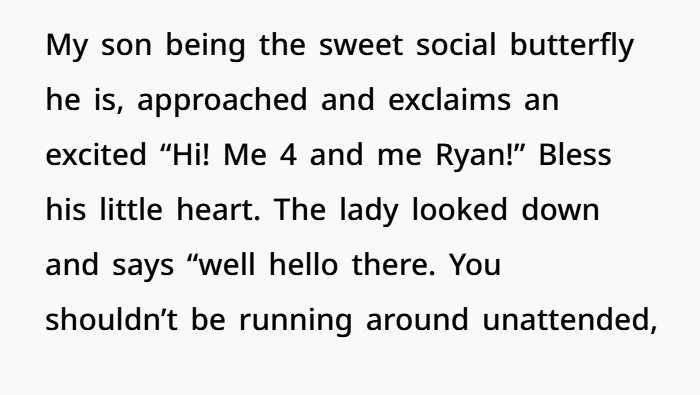
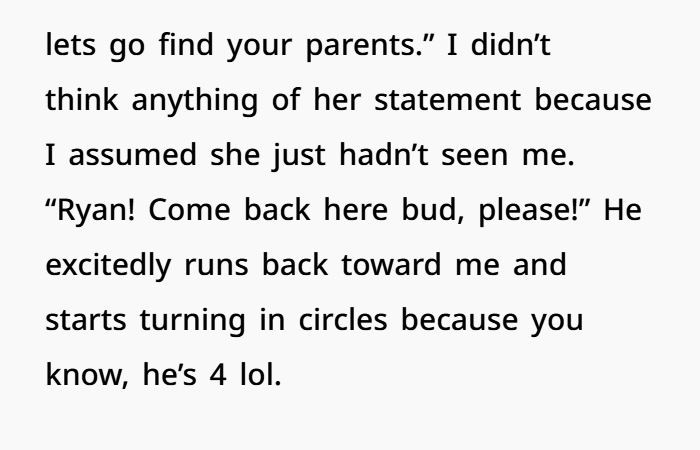
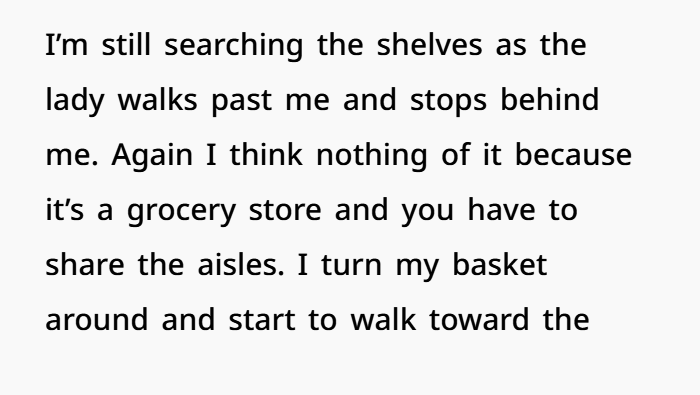
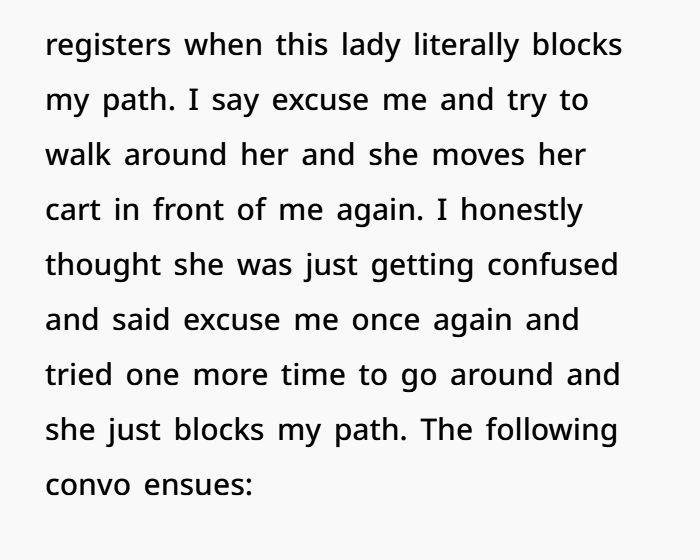
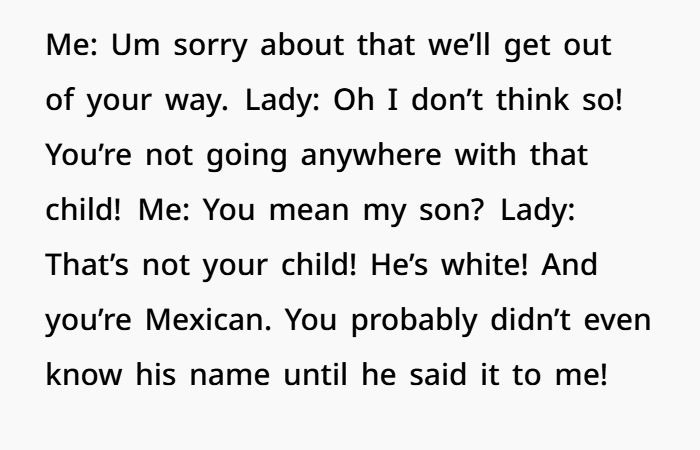
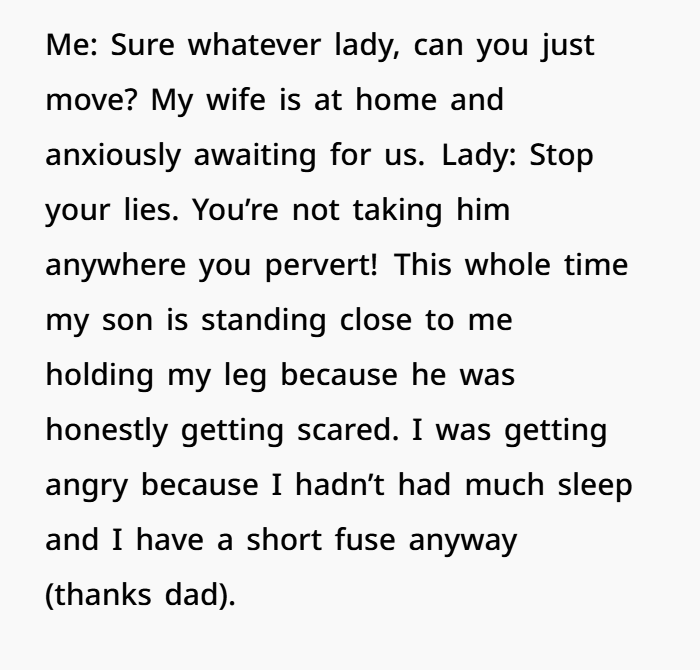
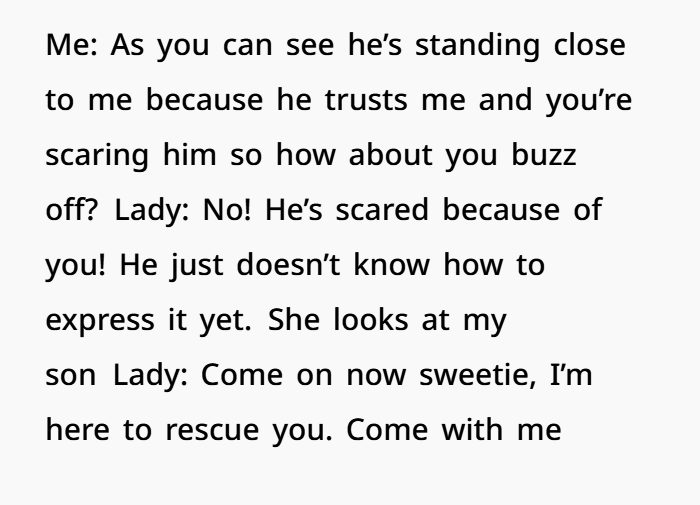
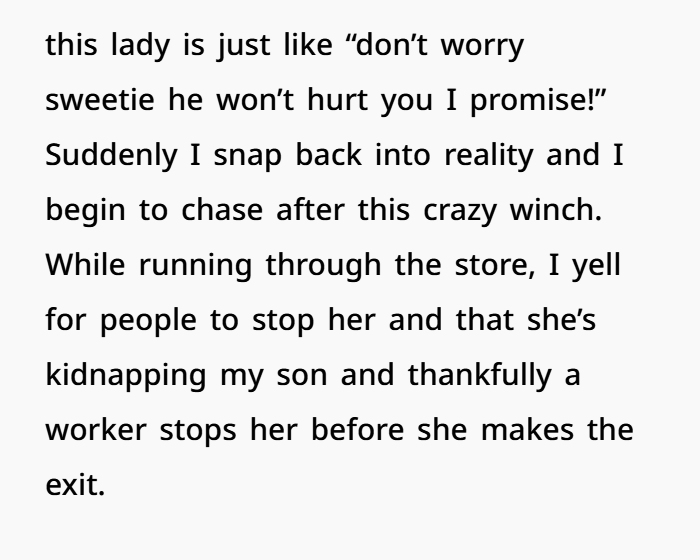
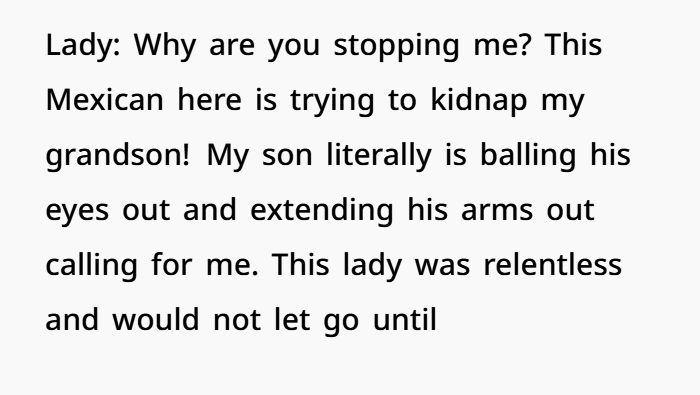
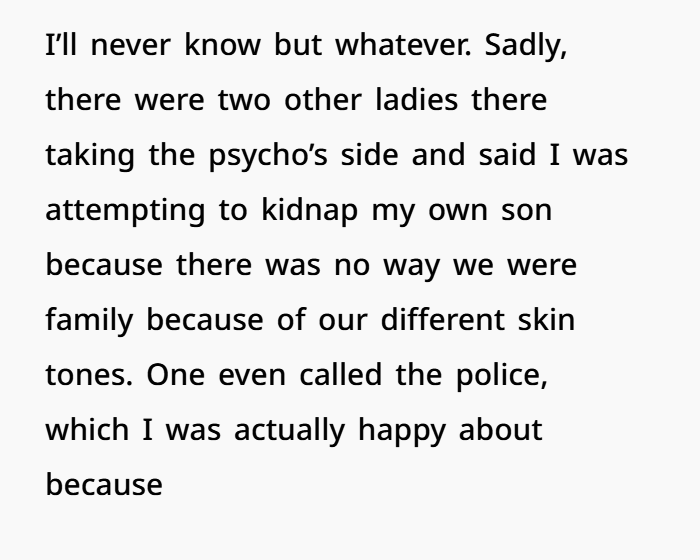
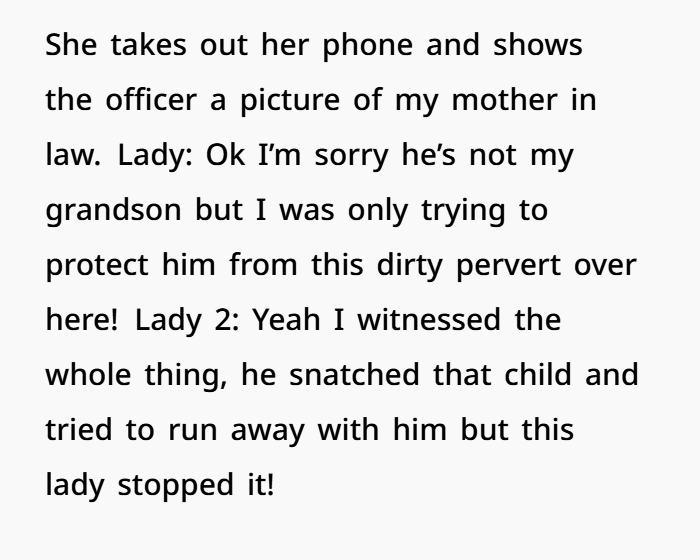
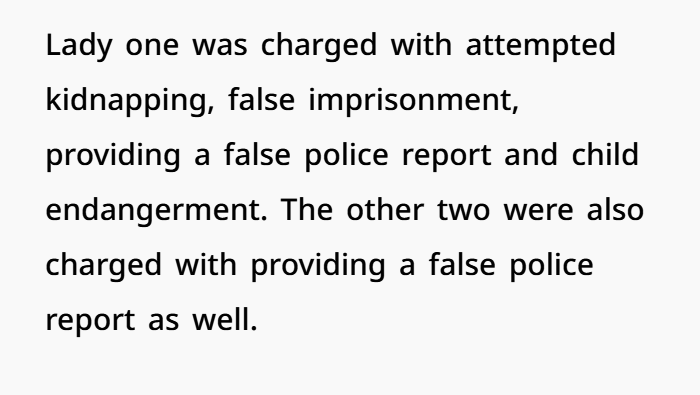
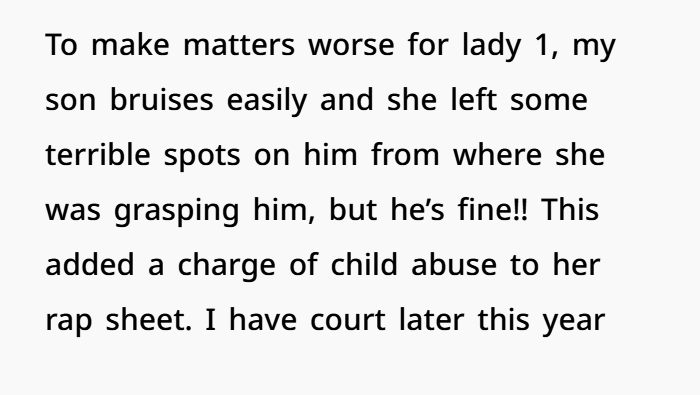
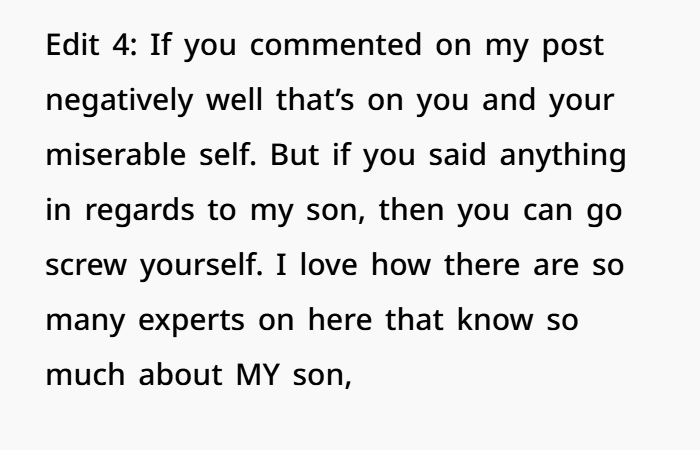
A surprising incident at a grocery store showed how quickly assumptions can lead to a difficult situation. A woman saw a young child with a man and became convinced that something was wrong. She believed the child was in danger and claimed she was a family member trying to protect him.
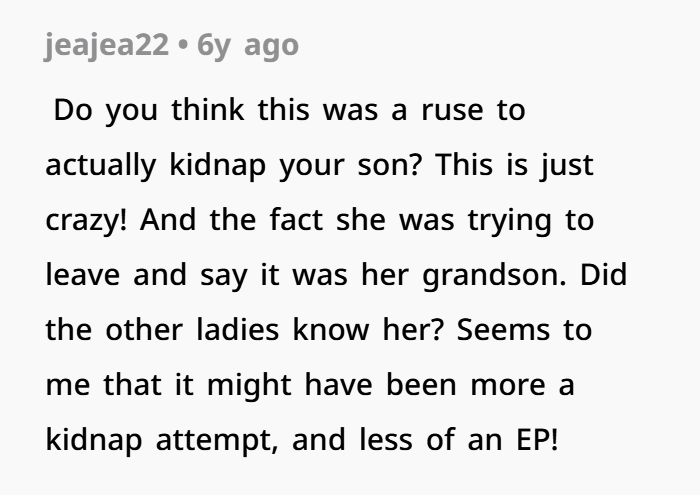
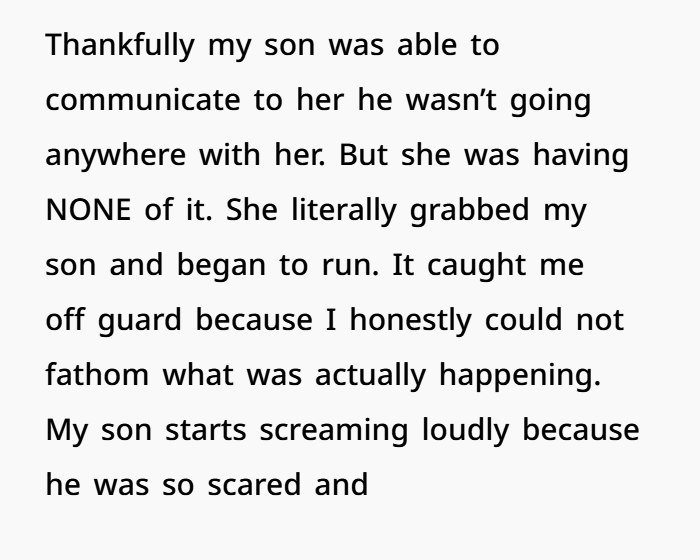
The woman took the 4-year-old child and walked away, saying she was trying to prevent a possible kidnapping. She focused on the man’s background and made assumptions about him before knowing the full story.
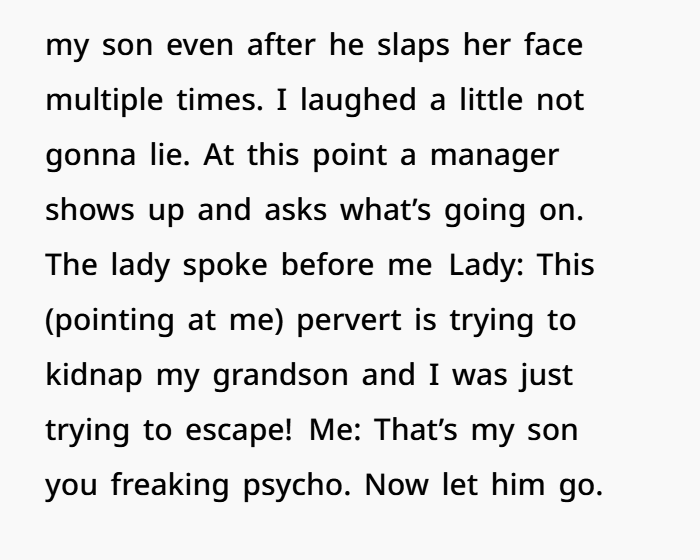
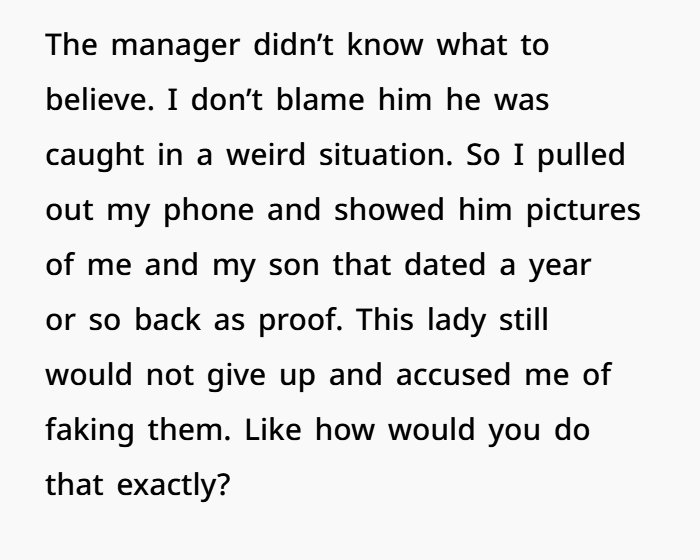
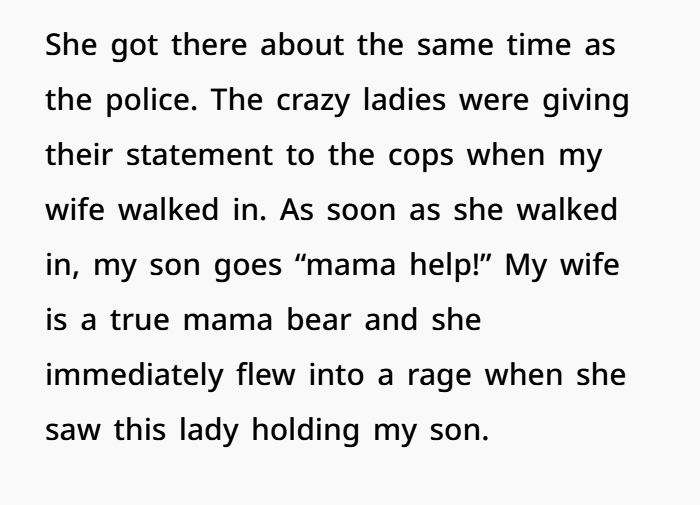
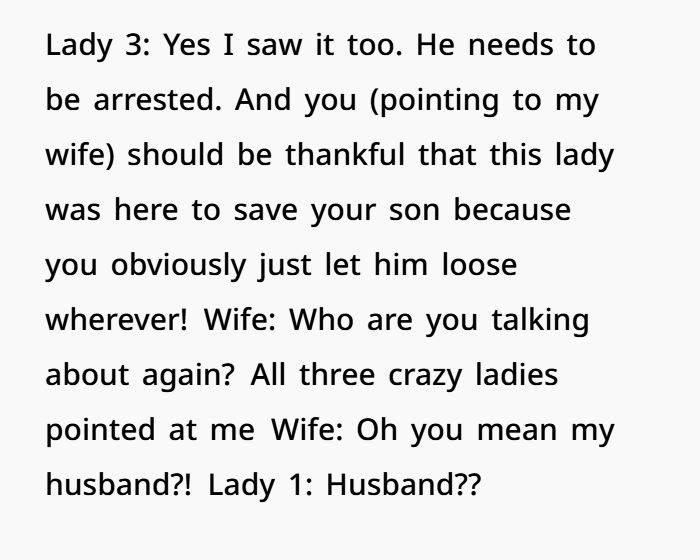
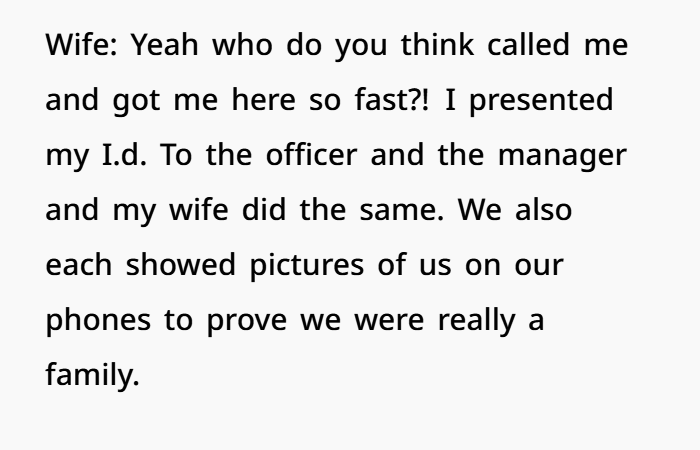
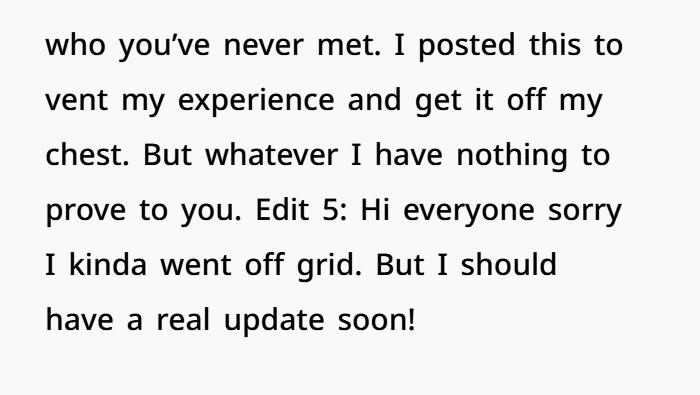
However, the situation was not what she believed. The man was actually the child’s stepfather and was caring for the child. He tried to explain the relationship, but the woman remained unsure and continued to believe her concerns were valid.
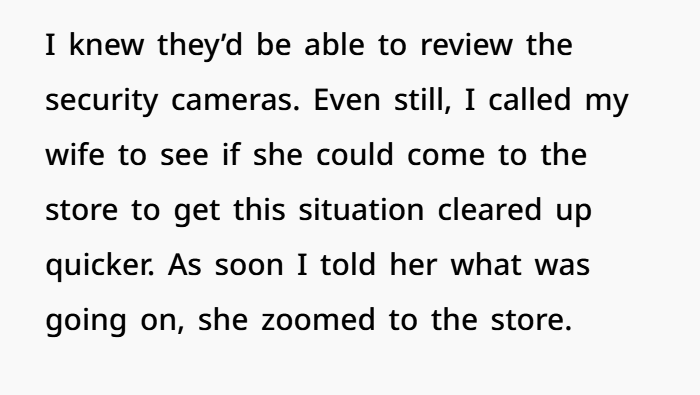
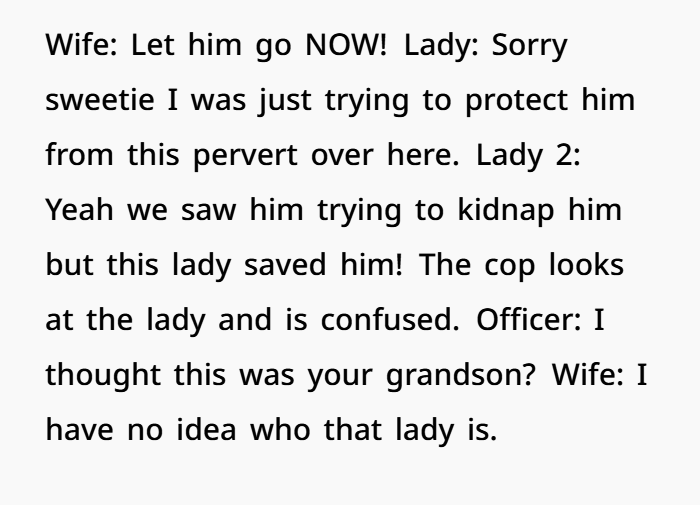
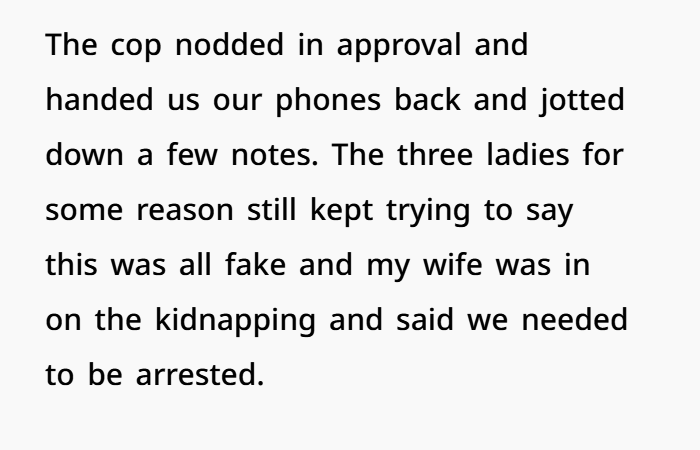
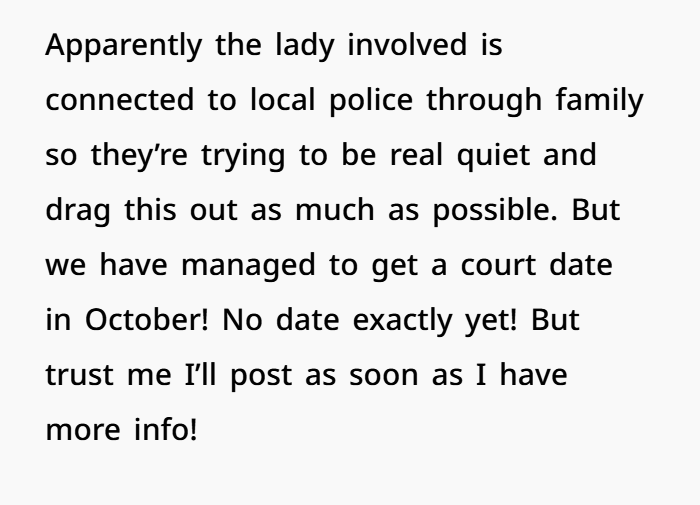
Other shoppers became involved, and the store staff tried to calm everyone down. As the disagreement continued, employees decided to contact the police to help handle the situation safely.
The incident became an example of how important it is to avoid making quick judgments about people based on their appearance, background, or ethnicity. Taking time to understand the facts can help prevent misunderstandings and create safer, more respectful communities.
Stories like this also highlight the importance of awareness, empathy, and treating everyone with fairness and respect.
What Is Unconscious Bias and How Does It Affect Everyday Life?
People from different backgrounds can sometimes experience unfair treatment because of the way others see or judge them. Even when someone wants to treat everyone equally, hidden thoughts and past experiences can sometimes affect their decisions.
This is called unconscious bias. It does not always happen because someone wants to be unfair. Many people may not notice these hidden ideas or assumptions until they take time to understand them.
Learning about unconscious bias can help people make better choices, improve communication, and create more respectful workplaces and communities.
What Does Unconscious Bias Mean?
Unconscious bias is when people have automatic thoughts or feelings about others without realizing it.
These ideas can come from many places, such as family, society, media, culture, education, and personal experiences.
Unlike intentional discrimination, unconscious bias is usually not planned. A person may believe they are being fair, but their actions may still be influenced by assumptions they have learned over time.
For example, someone may make quick opinions about another person based on their name, appearance, age, background, or other personal details without knowing their full story.
Being aware of these patterns can help people become more thoughtful and fair in everyday situations.
How Can Unconscious Bias Affect Daily Life?
Unconscious bias can influence many parts of life, including the workplace, education, healthcare, and social relationships.
In professional settings, personal assumptions can sometimes affect hiring decisions, promotions, or workplace opportunities. This is why many companies focus on diversity, inclusion, employee well-being, and fair hiring practices.
Creating an inclusive workplace helps employees feel respected and gives everyone a better chance to succeed.
In education, students may also be affected by expectations people have about their abilities or backgrounds. In healthcare, awareness of unconscious bias can help improve communication between doctors, medical staff, and patients.
When people understand these challenges, they can work toward creating fairer systems for everyone.
Why Understanding Different Experiences Matters
Many people believe they treat everyone the same, and having good intentions is important. However, understanding that people may have different life experiences can help build stronger connections.
Recognizing differences does not mean judging people differently. It means taking time to listen, learn, and understand situations before making decisions.
Education and awareness can help people communicate better and avoid unfair assumptions.
A Grocery Store Situation Shows Why Facts Matter
A grocery store incident showed how quickly misunderstandings can happen when people make decisions without knowing all the details.
A woman became worried after seeing a young child with a man. She believed the child might not be safe and said she was trying to help protect him.
The man explained that he was the child’s stepfather and that he was taking care of the child. However, the disagreement continued, and other shoppers became involved.
Store employees stepped in to help calm the situation, and authorities were contacted to make sure everyone stayed safe.
The situation showed why it is important to understand the facts before making assumptions. A person’s appearance or background does not always explain their relationship or situation.
Taking time to ask questions and listen can help prevent unnecessary misunderstandings.
Families Can Be Different and Still Be Strong
Every family is unique. Parents and children may not always look the same, but that does not change the love and care they share.
Some families, including families formed through adoption or blended families, have experienced situations where strangers made incorrect assumptions about their relationships.
These moments can feel uncomfortable, which is why kindness and respect are important when interacting with others.
A family connection is built through love, support, and care—not only through physical appearance.
Simple Ways to Create More Respectful Communities
Understanding unconscious bias is not about blaming people. It is about learning how thoughts and experiences can influence the way we see the world.
Small actions can create positive changes, such as:
- Listening carefully before making decisions
- Respecting people’s different backgrounds
- Learning from other experiences
- Avoiding quick judgments
- Supporting equal opportunities
- Creating welcoming spaces at work and in daily life
Building a respectful society starts with everyday choices. When people practice kindness, empathy, and open communication, they help create safer and more inclusive communities.
By becoming more aware of unconscious bias, individuals and organizations can improve relationships, support workplace diversity, and create environments where everyone feels respected and valued.
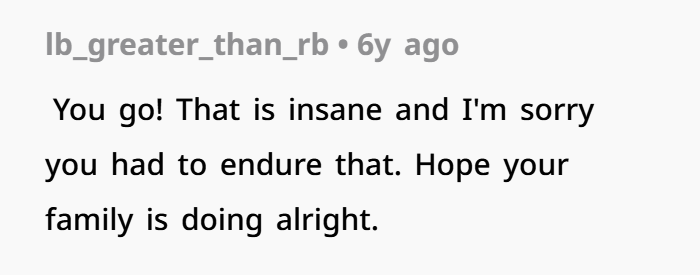
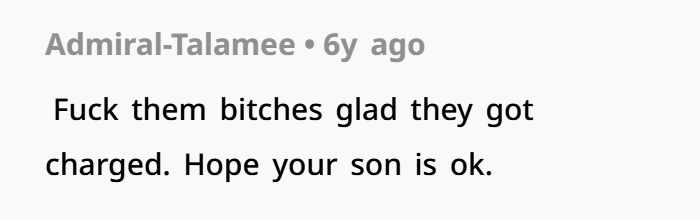
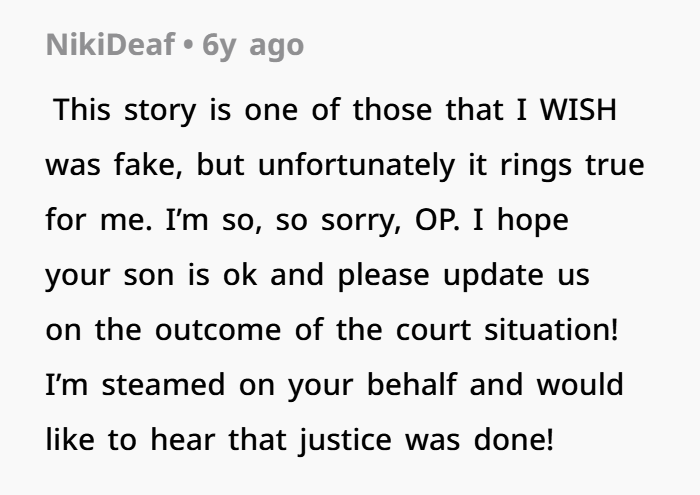
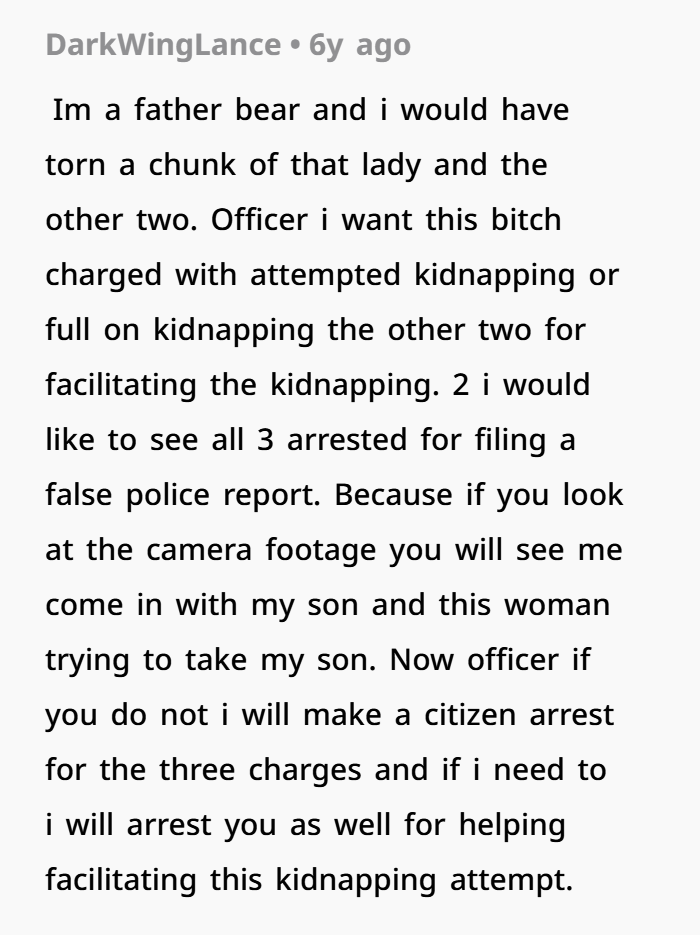
See The Comments Below