Landowner Fights Back After HOA Attempts To Take His Property
Having authority can be helpful, but it also comes with responsibility. When rules or decisions are made without considering others, conflicts can easily happen. This is true in many places, from large organizations to small residential communities.
Many neighborhoods have a Homeowners Association (HOA) that helps manage shared spaces, create community standards, and support long-term home value. While these organizations can provide benefits, disagreements may occur when homeowners and associations have different views about rules and responsibilities.
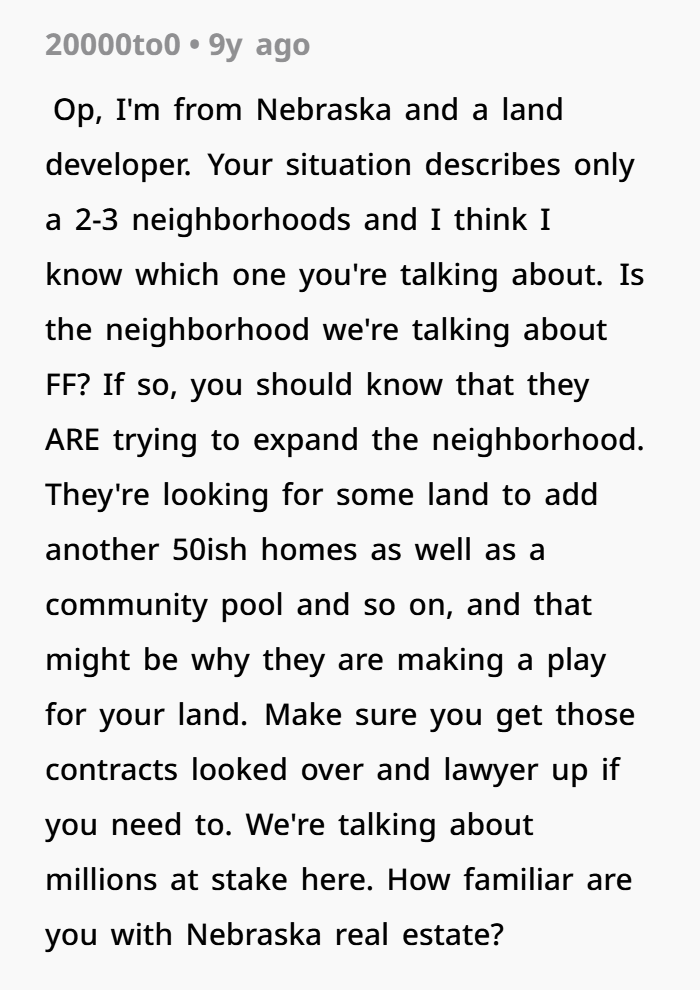
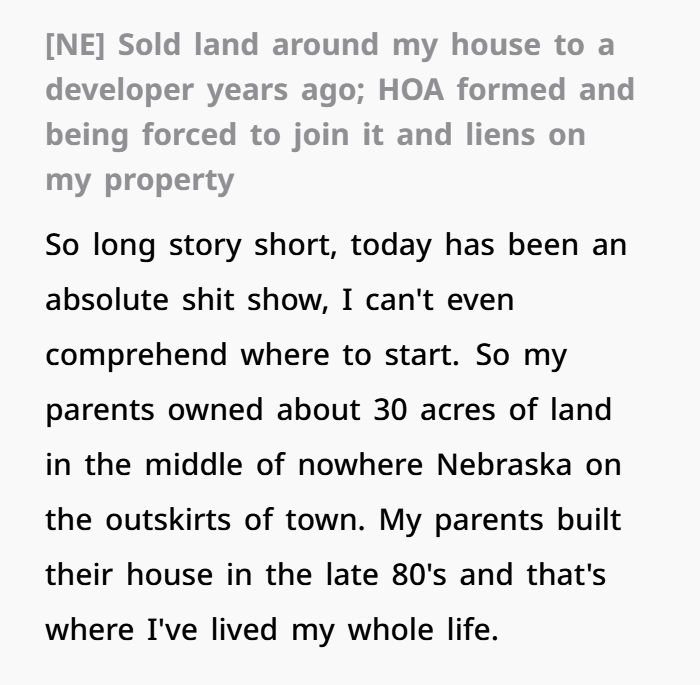
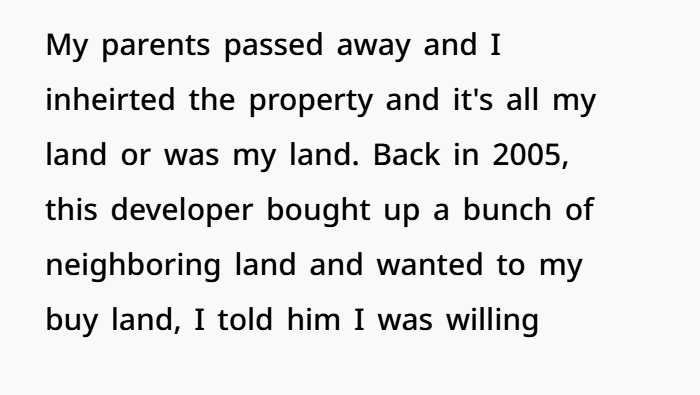
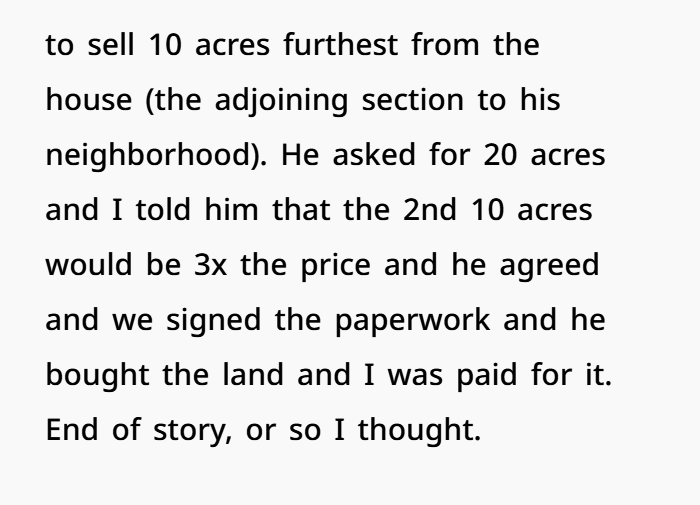
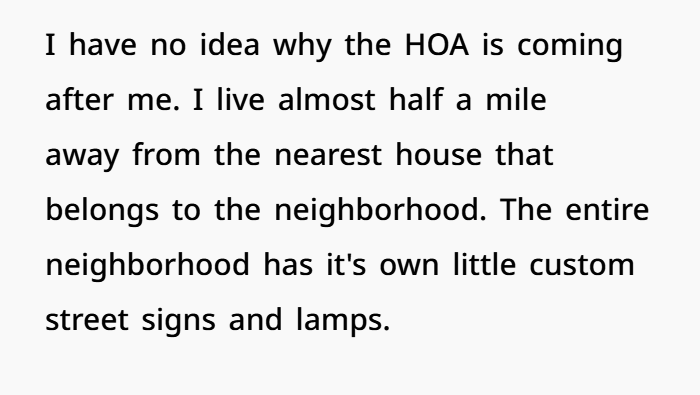
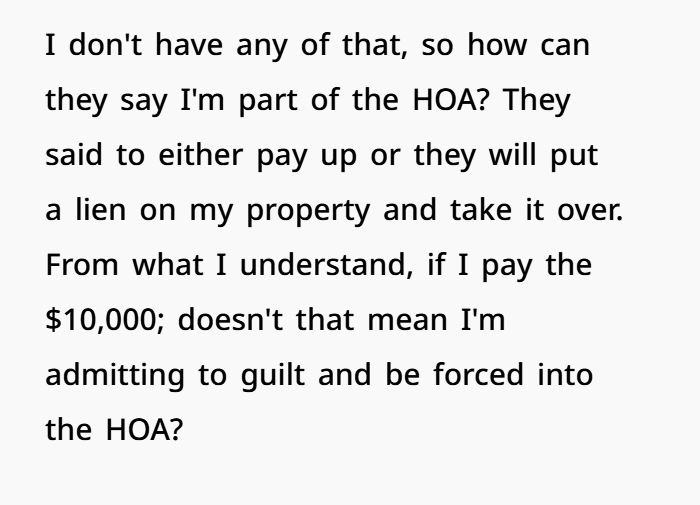
One homeowner experienced this type of conflict after land near their property was sold to a developer. The homeowner received demands from the HOA that they believed were unreasonable. They decided to protect their homeownership rights and look for a fair solution.
The disagreement became a costly situation for everyone involved. It shows the importance of understanding real estate laws, reviewing HOA documents, and maintaining respectful communication during property disputes.

How Power Can Change the Way People See Their Role
HOA (Homeowners Association) board members are usually regular people from the same community. They volunteer their time to help manage neighborhood matters, and many are later elected to serve on the board.
However, when someone suddenly gets a position of authority, their attitude can sometimes change. Having decision-making power and control over community rules may affect how some people see themselves and their responsibilities.
Leadership experts explain that power can sometimes make people focus more on their own needs and less on understanding other people’s situations. When people have authority, they may start believing that rules are more flexible for them than for others.
This can become a problem when someone in a leadership role forgets their responsibility and does not treat community members fairly.
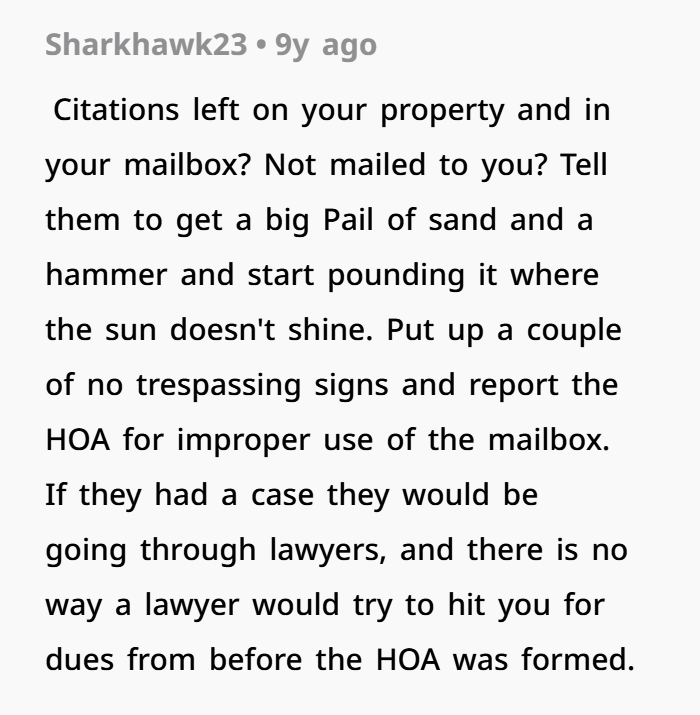
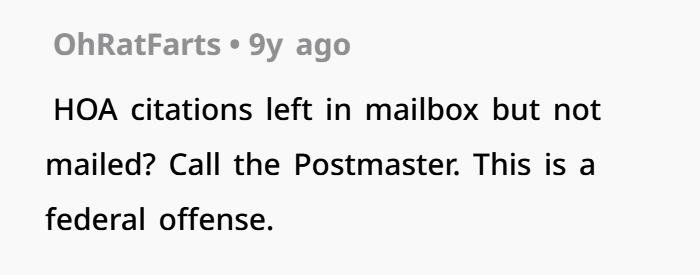
In this case, a landowner experienced several difficult situations with the HOA. What started as simple disagreements later became more serious, with actions that appeared unfair and caused unnecessary stress.
According to attorney Michael Benavides, HOA board members have a responsibility to act honestly and in the best interest of the community. Board members have a fiduciary duty, which means they must make decisions responsibly, avoid conflicts of interest, and protect the rights of homeowners.
When an HOA board fails to follow these responsibilities, homeowners and property owners may have legal options available.
What Can Homeowners Do When an HOA Acts Unfairly?
If an HOA member or board takes actions that cause financial harm or violates homeowner rights, affected individuals can consider several steps.
One important step is keeping detailed records. Save emails, letters, notices, meeting documents, and any other communication related to the issue. These records can help show what happened and support a legal claim if needed.
Homeowners may also have the right to request HOA records, review financial documents, and understand how decisions are being made. Transparency is an important part of responsible HOA management.
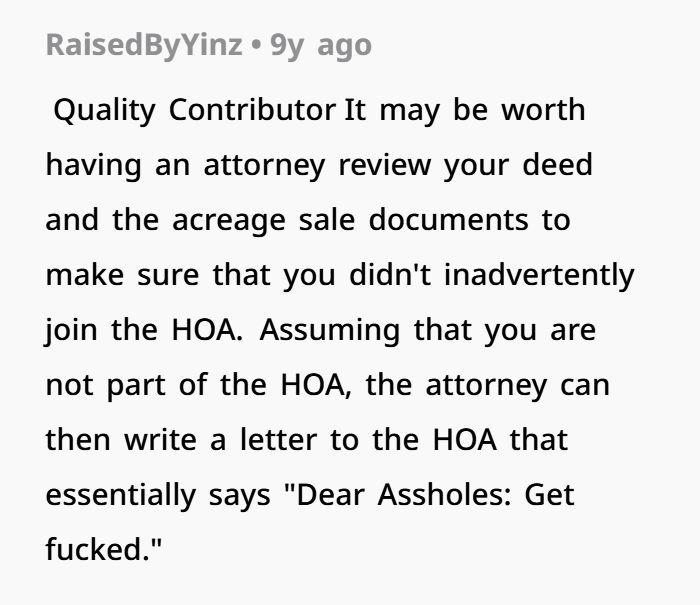
In serious cases involving financial damage, misuse of funds, or personal benefits from HOA decisions, legal action may be necessary. A qualified real estate attorney or HOA lawyer can review the situation and explain possible solutions.
Possible legal steps may include requesting corrections, sending formal notices, seeking financial compensation, or asking for the removal of board members who fail to meet their responsibilities.
Why Hiring an Attorney Can Help
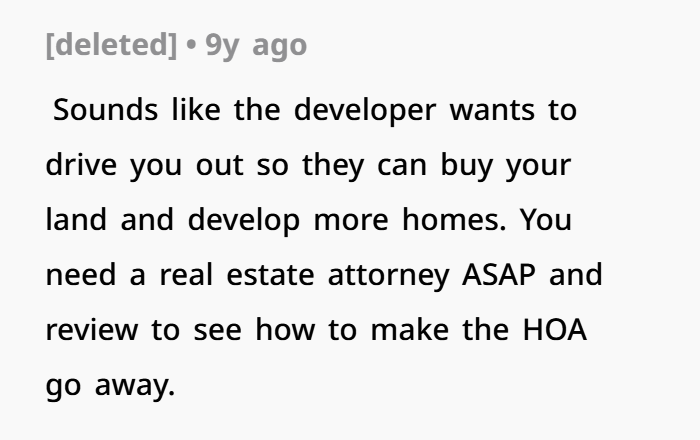
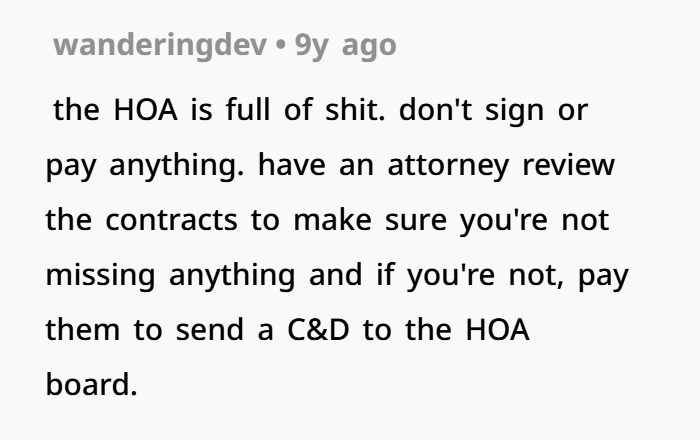
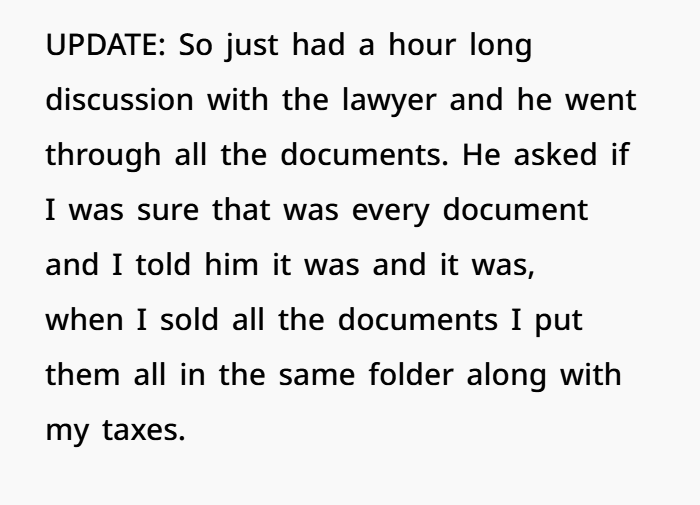
In this situation, the landowner decided to work with an attorney. This was an important step because legal professionals understand HOA laws, property rights, and homeowner protections.
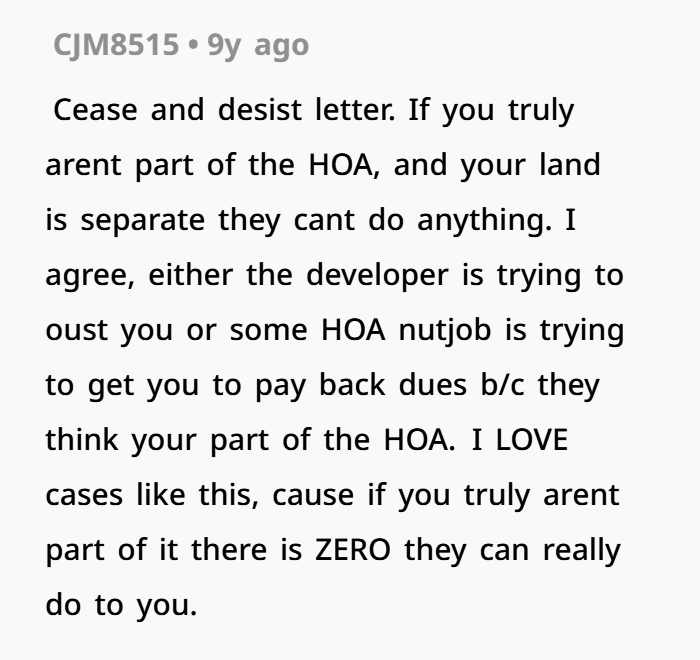
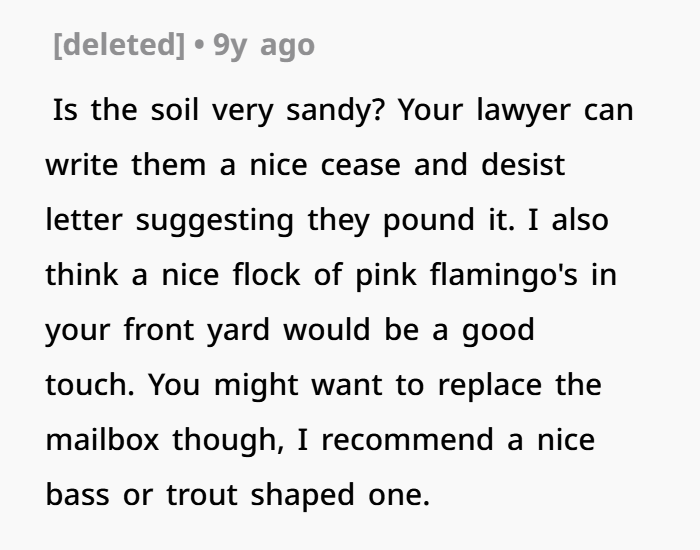
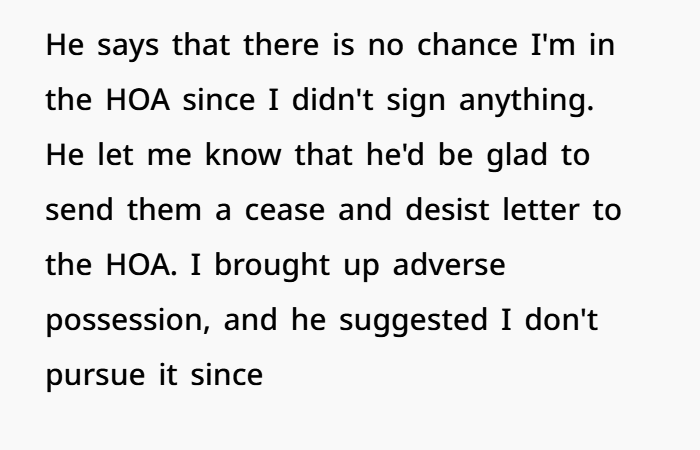
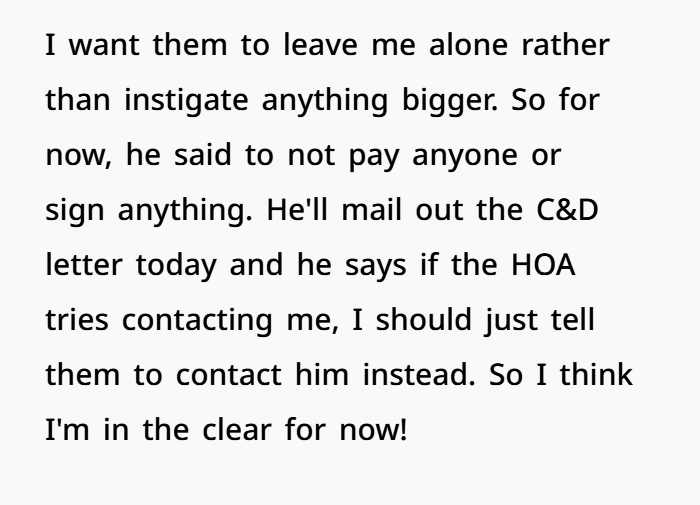
The attorney helped take action, including sending a cease-and-desist notice to stop unfair behavior. Having professional legal guidance helped the landowner protect their rights and handle the situation properly.
Many HOA disputes can become stressful and complicated. Working with an experienced attorney can help homeowners understand their options and avoid making decisions that could hurt their case.
The Importance of Fair HOA Leadership
HOAs play an important role in many communities. They help maintain shared spaces, create neighborhood guidelines, and protect property values. Good HOA leadership requires fairness, honesty, and respect for every resident.
Board members are trusted with responsibility, and that trust should always be taken seriously. When leaders use their position properly, communities can benefit from better communication and stronger relationships.
However, when authority is misused, homeowners have the right to seek answers and protect their property interests.
The lesson from this situation is simple: leadership comes with responsibility. Whether managing a community, property decisions, or financial matters, those in authority must act with fairness and accountability.
See The Comments Below