My Mom Secretly Bullied My Girlfriend—Now I Don’t Know How to Fix This
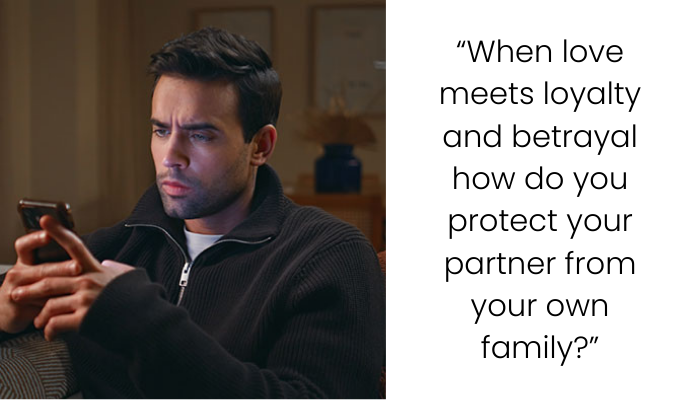
In a moment of innocent phone-borrowing, a 36-year-old man stumbles onto a heartbreaking truth: his mother has been sending cruel, demeaning messages to his girlfriend of eight years. The screenshots weren’t just recent—they spanned days, maybe weeks. His girlfriend, a kind, conflict-avoiding professor, never mentioned it. She chose to quietly endure the hate rather than disrupt the relationship between her boyfriend and his mother.
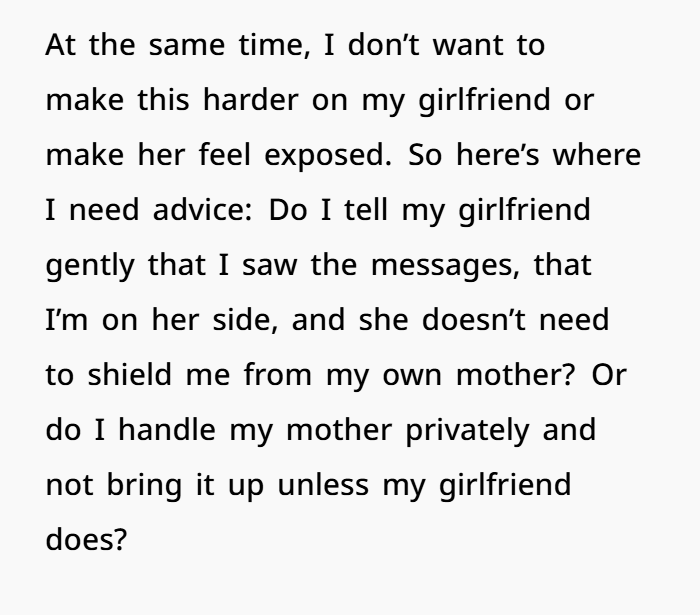
Now, torn between rage and sorrow, he faces an emotional minefield. Should he confront his mother privately or let his girlfriend know she doesn’t have to carry this alone anymore? The dilemma isn’t just about family drama—it’s about emotional abuse, setting boundaries, and protecting someone you love from the people who are supposed to love you too.
It would be downright sadistic for any parent to try to ruin their child’s romantic relationship

A man learned that his mother had been sending his girlfriend hateful messages about him
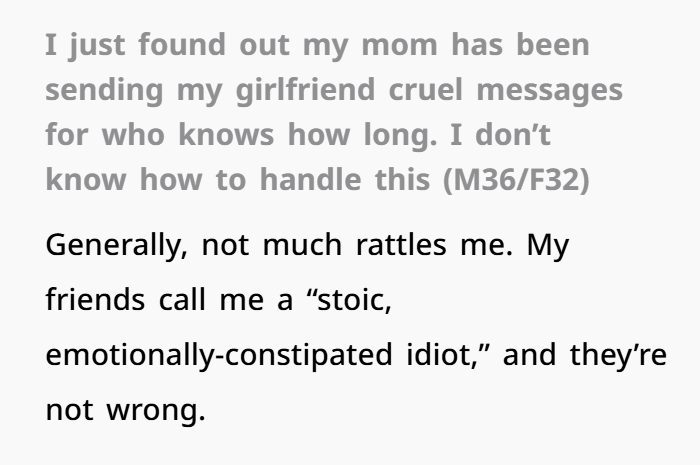
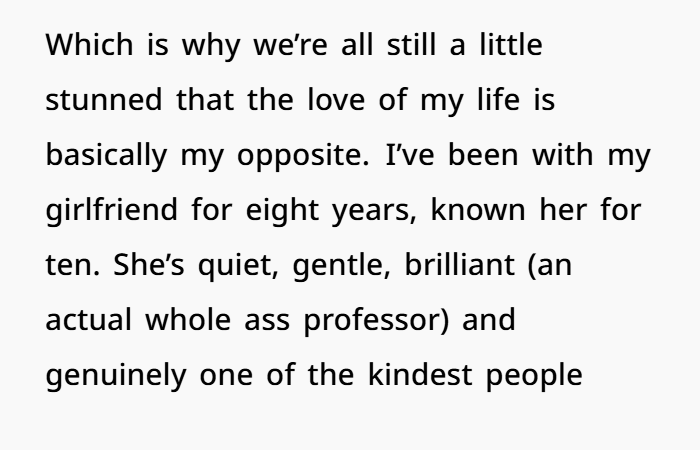
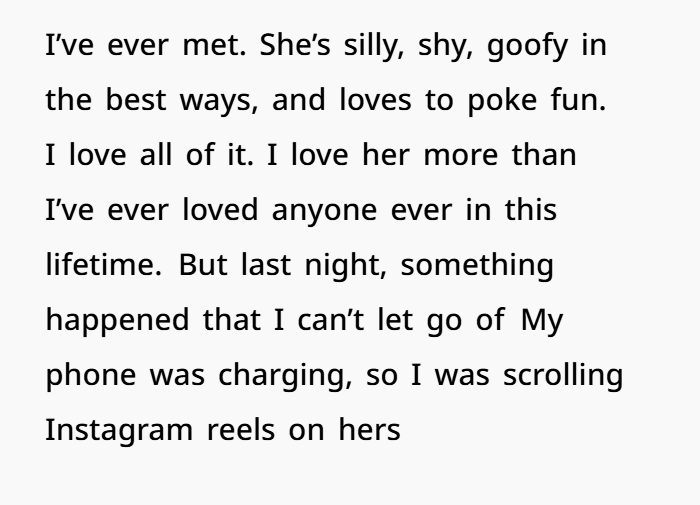
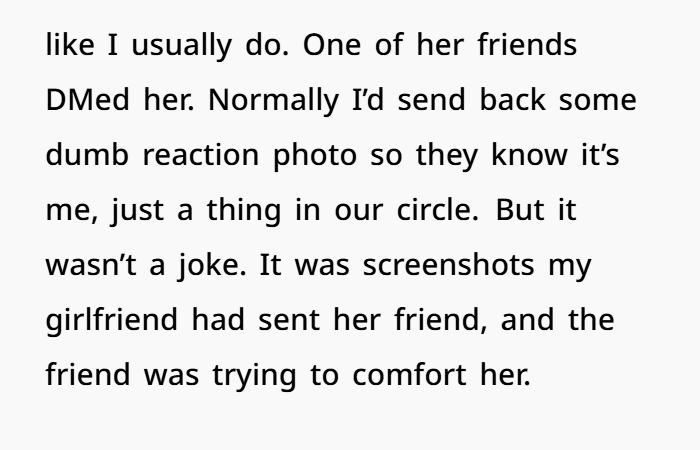
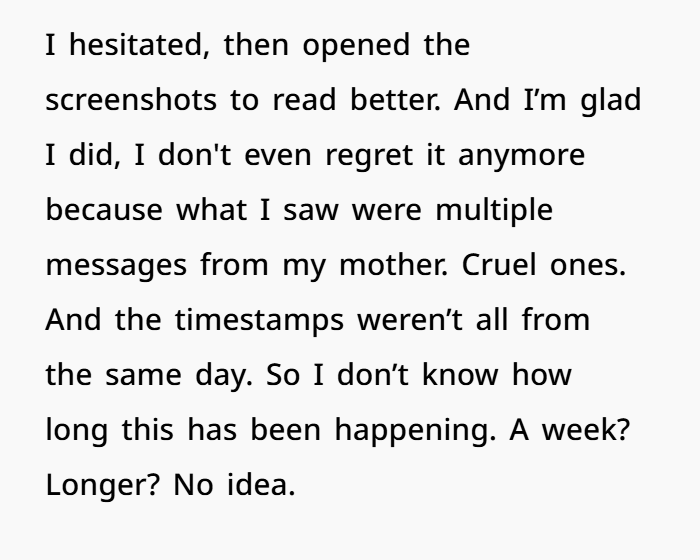
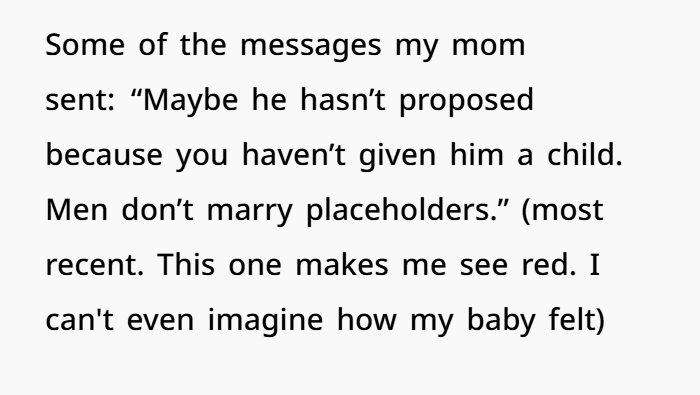
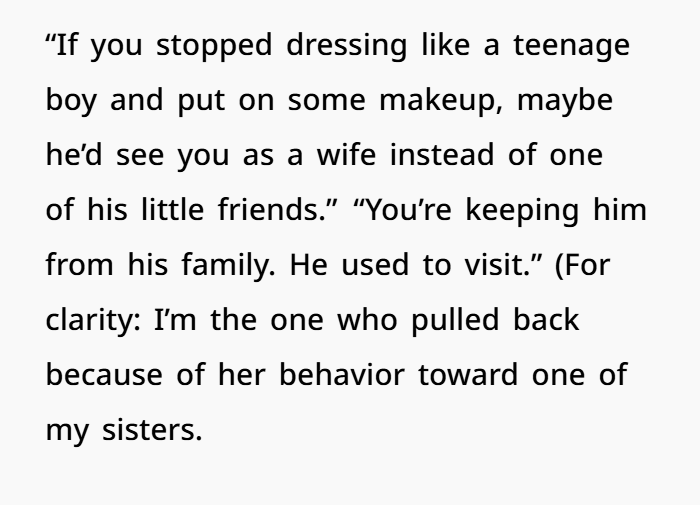
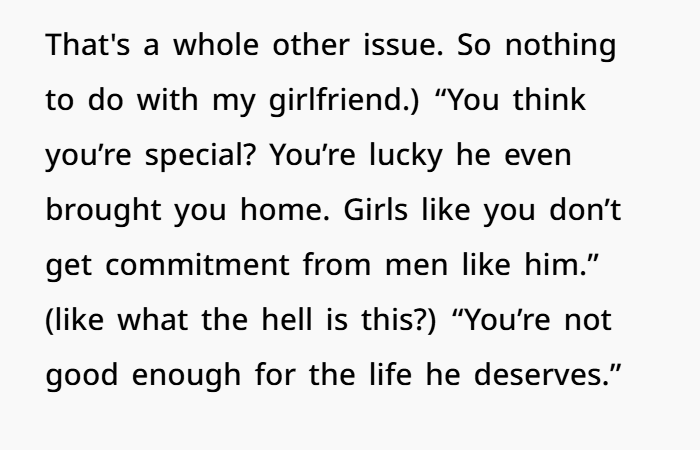
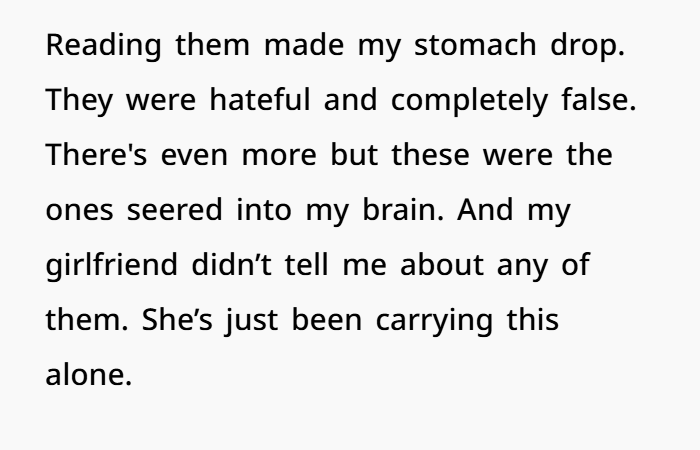
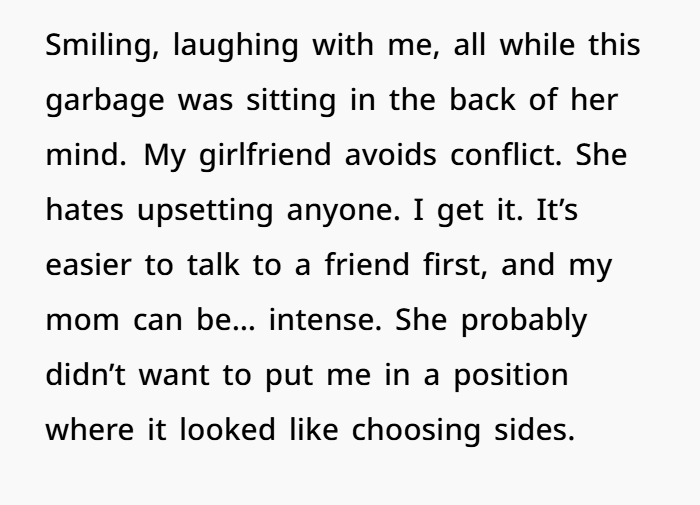
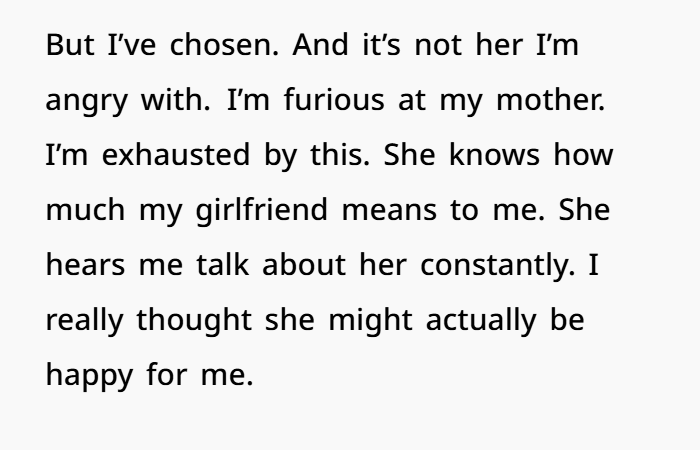
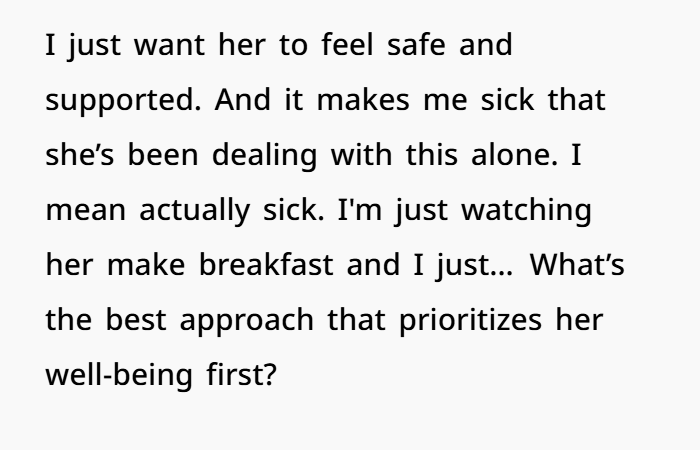
So here’s the deal—when you find out that your own mom has been bullying the woman you love, it hits different. It’s not just “awkward family stuff” anymore. It’s betrayal. It’s emotional abuse. And the worst part? She didn’t even tell you. She just held it all in. Alone. While smiling at you, making you breakfast, laughing like everything was fine.
That’s the kind of thing that wrecks you.
But let’s break this down and talk real, because this kind of story isn’t just “uncomfortable.” It’s a full-blown red flag, and handling it wrong can cost you both your peace and your relationship.
🚨 Emotional Abuse Isn’t Just Yelling—It’s the Quiet Poison
Your mom might not be shouting at your girlfriend in front of you, but the texts? That’s classic emotional abuse. Demeaning comments about her appearance, her worth, her role in your life—they’re all designed to manipulate and destroy confidence.
And guess what? The National Domestic Violence Hotline straight-up includes this type of behavior under emotional/verbal abuse. Things like:
- Undermining self-worth
- Name-calling
- Manipulating your image of your partner
- Isolating your partner from your support network

That’s what’s happening here. When your girlfriend reads, “You’re not good enough for the life he deserves,” that’s a hit to her self-worth. And it’s coming from your mom, someone who should be a safe figure.
If you don’t act, you’re sending a message—maybe not intentionally—that your mom’s behavior is tolerable. And long-term, that’s relationship poison.
🧠 Why Your Girlfriend Stayed Quiet
Some might ask, “Why didn’t she tell you?” But honestly, it makes sense. People who are emotionally hurt often protect others before they protect themselves. Especially when they’re scared of confrontation, or they think speaking up might cause drama in someone else’s life.
Psychologists call this “fawning”—a trauma response where people try to avoid conflict at all costs, even if it hurts them.
She probably thought:
- “I don’t want to come between them.”
- “Maybe he’ll think I’m being dramatic.”
- “If I say something, I’m the problem.”
It’s heartbreaking—but it’s so common. Especially in women raised to keep the peace or avoid “stirring the pot.”
🧭 So What Now? Here’s the Real Advice
Okay, here’s where the high-stakes decision happens. Do you tell her you saw the messages, or just handle it on your own?
Answer: You tell her. Gently. Carefully. But honestly.
Why? Because she’s hurting. Alone. And silence just keeps her in that space. Think of it like this: the secret isn’t protecting her—it’s isolating her. And people who’ve been emotionally abused need connection, reassurance, and someone to say, “I see what’s happening—and I’m with you.”
Plus, it gives her a voice. It lets her say what she needs—from you, from this relationship, from your family. That’s powerful.
💬 How to Say It (Use This Script If You Want)
You don’t have to make it dramatic. You just have to be real. Here’s one way to bring it up:
“Hey. I saw some messages from my mom on your phone. I wasn’t snooping, it just popped up while I was on IG. And I gotta tell you, I’m furious. Not at you. At her. I’m so sorry you’ve had to deal with that. You didn’t deserve any of it. I love you, and I want you to know you don’t have to protect me from her. I’ve got your back—always.”
Short. Honest. All heart. That’s all she needs to hear.
🔥 What to Do About Mom (Because Boundaries Are the Real MVP)
This is where it gets tricky, because you’ve got to decide: are you ready to set real boundaries with your mom?
This might mean:
- Telling her flat out: “You can’t talk to her like that. Ever.”
- Blocking her from direct contact with your girlfriend
- Pausing or limiting your own contact until she respects your choices
This isn’t about “canceling” your mom. It’s about protecting your peace. And more importantly—protecting your partner.
Think of boundaries like a security system for your relationship. No one gets to break in just because they’re “family.”
📈 Why This Story Is Bigger Than Just One Couple
A ton of people deal with toxic parents. According to a 2021 study from the University of Georgia, over 40% of adults report having at least one emotionally manipulative parent. And when it comes to in-laws? It’s even messier.
Google searches for terms like “toxic mother-in-law,” “my mom hates my girlfriend,” and “emotional abuse from parents” spike every holiday season. Why? Because people like your girlfriend suffer in silence, thinking they’re alone.
But stories like yours? They remind folks they’re not.
The man provided more information in the comments
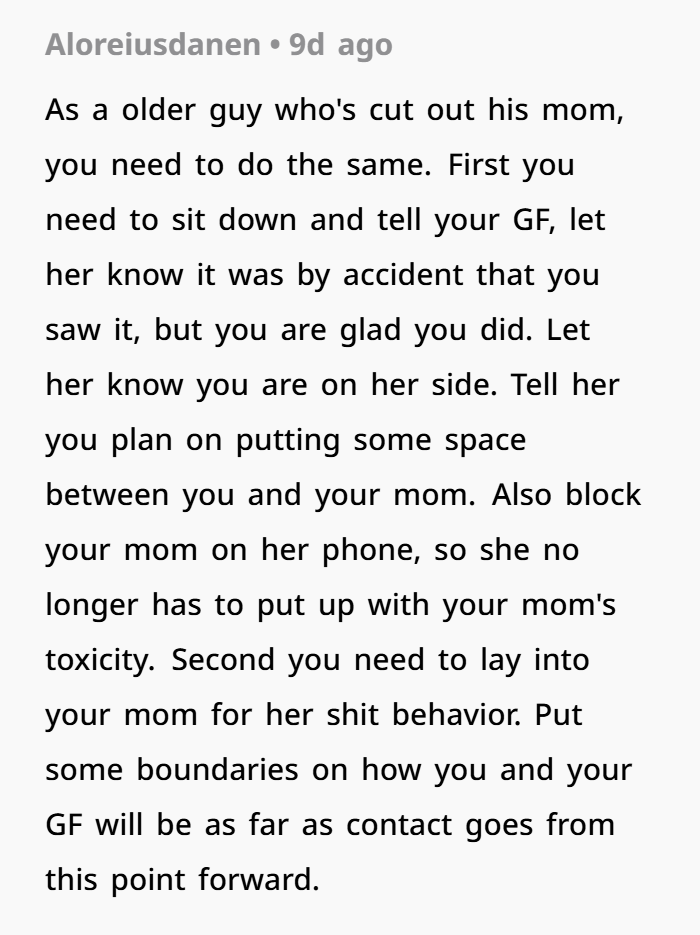
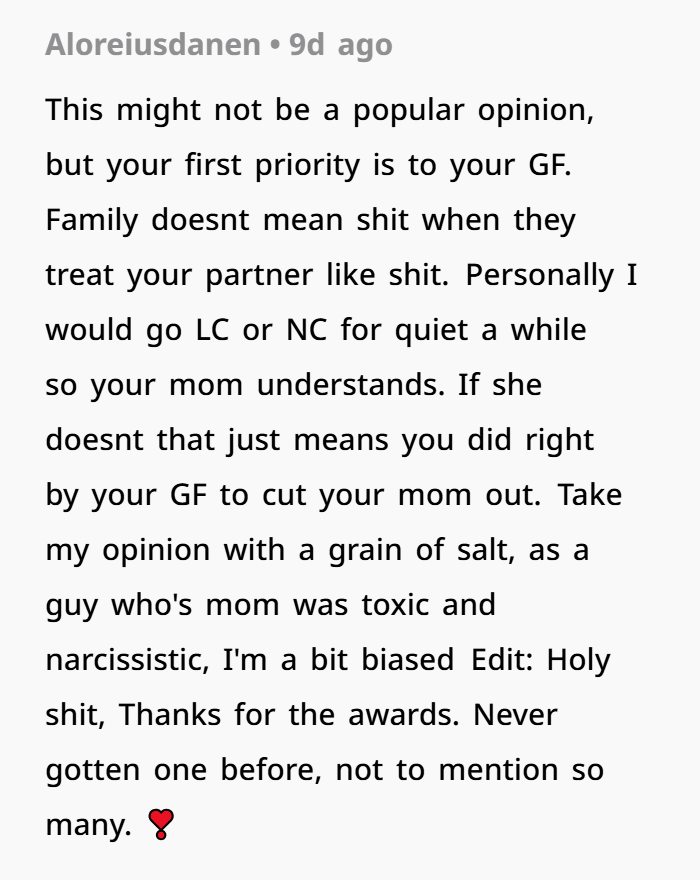
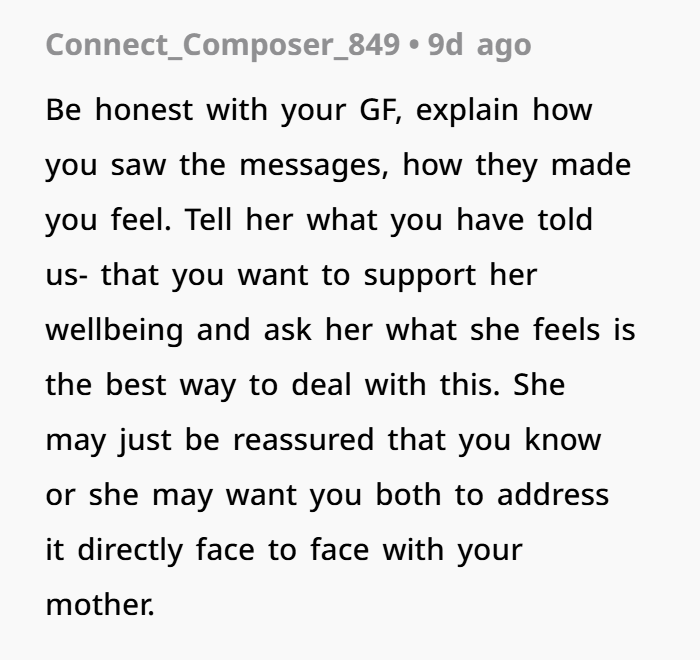
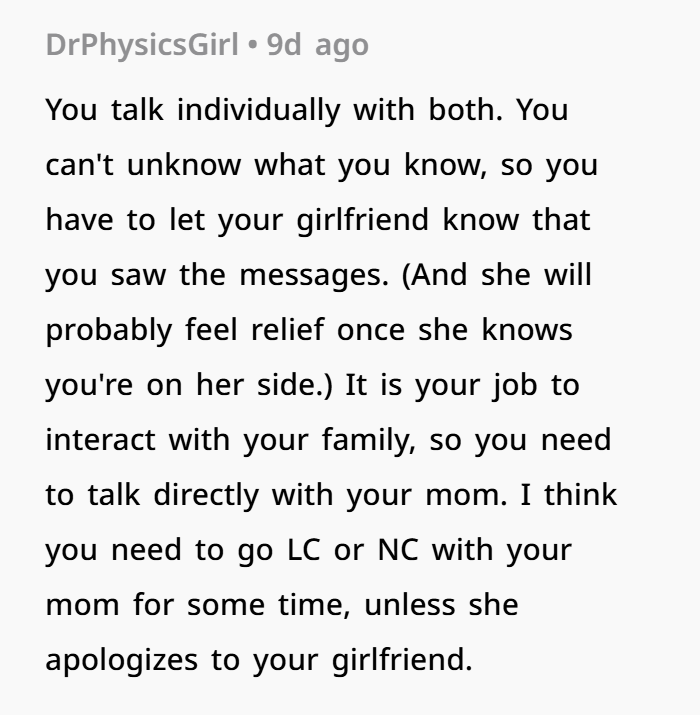
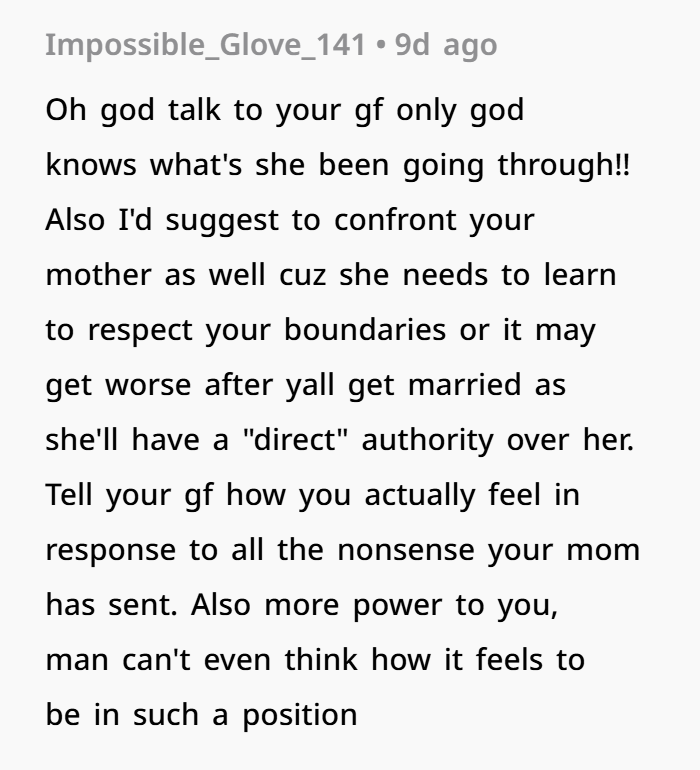
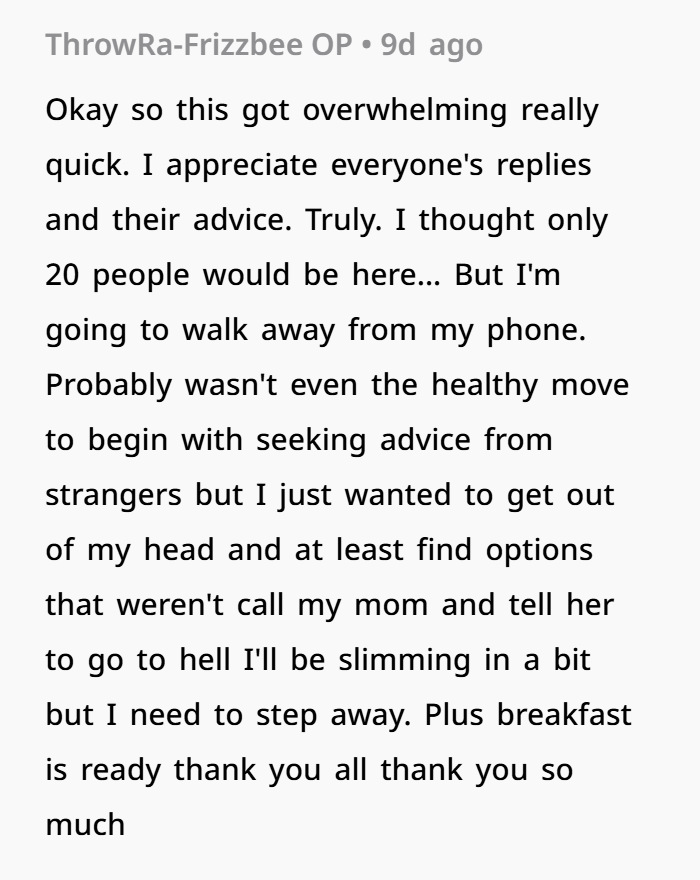
Here’s the truth: You’ve already done something good. You noticed. You cared. You’re thinking about her first. That’s rare. And beautiful.
Now it’s time to act—with love, with strength, and with a boundary-lined bat if needed.
Because love isn’t just about the good times. It’s about showing up when it’s ugly—and making someone feel safe, seen, and cherished.
And right now? That’s your mission.