My Daughter-in-Law Says I Favor My Daughter’s Kids—Am I Wrong for Helping My Daughter?

This story is about a mother who is trying to balance her love and support between her son’s family and her daughter’s family. She never wanted anyone to feel left out, but she begins to understand that family support can sometimes be viewed differently by each person.
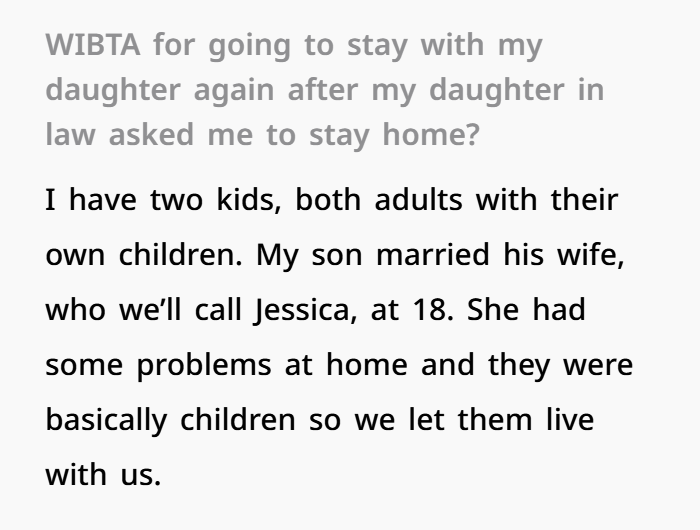
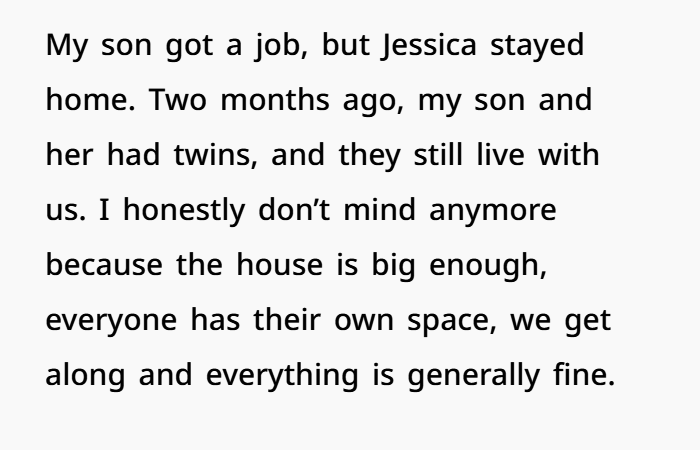
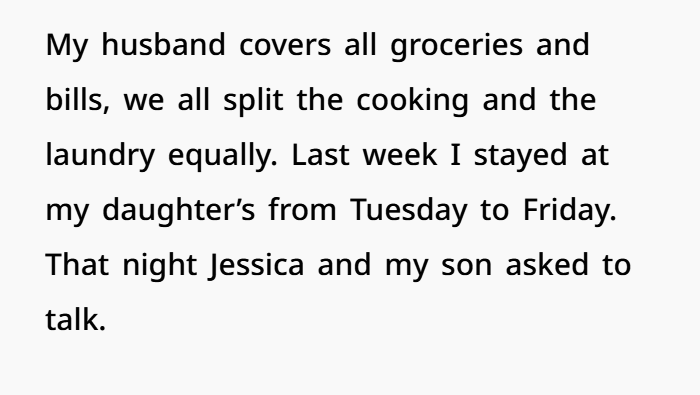
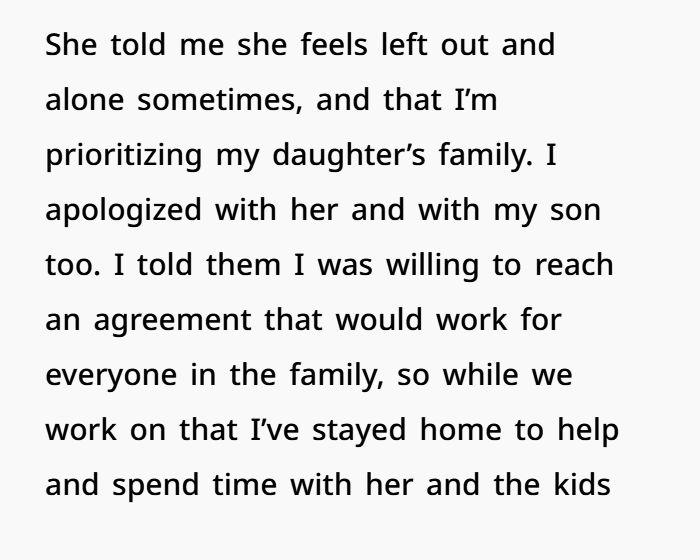
Her son and his wife, Jessica, moved in with her and her husband when they were young. Jessica needed a safer and more supportive home environment, so the family decided to live together. After many years, the arrangement became comfortable, and everyone learned how to share the home.
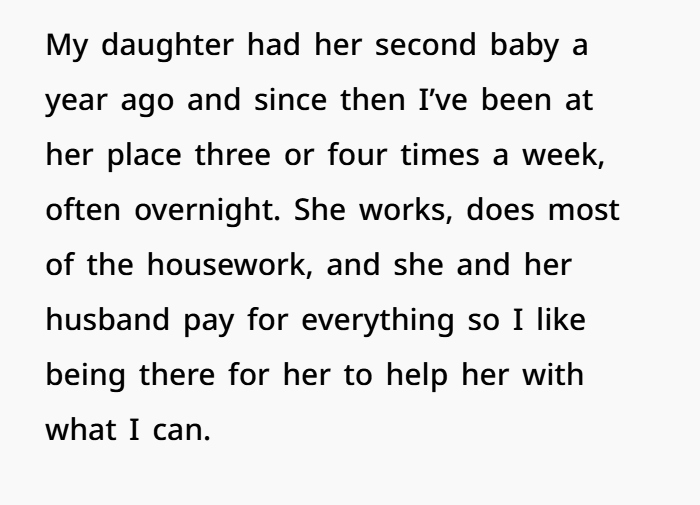
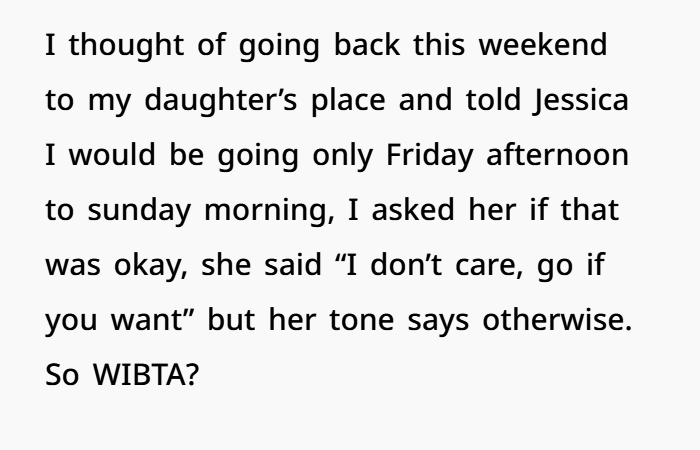
The mother also spends a lot of time helping her daughter, who has two children. She often stays overnight to help with childcare, household tasks, and daily responsibilities. She thought she was simply giving extra help where it was needed most.
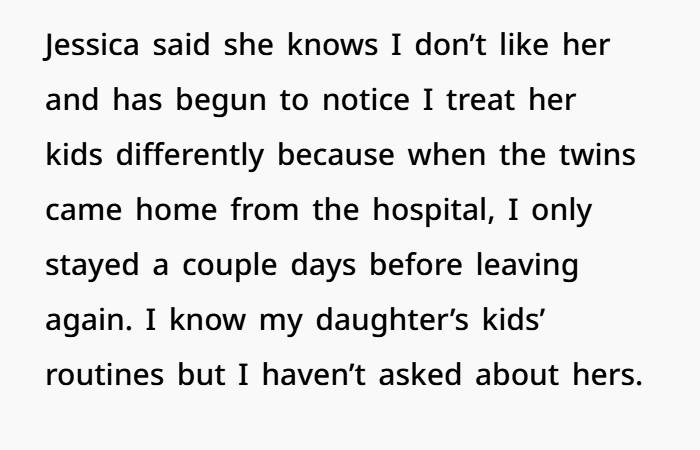
However, Jessica felt that the difference in support showed favoritism. She felt the mother was more involved with her daughter’s children and provided more help to them. The mother listened, apologized, and decided to spend more time with Jessica and her grandchildren. Now she is trying to create a fair family relationship where everyone feels loved and valued.



When Family Support Feels Unequal: Understanding Fairness and Feelings
Family relationships can become difficult when people have different ideas about what is fair.
Many parents try to support their children based on their needs. They may give more help to one child because that child is going through a harder situation.
But family members do not always see the reasons behind those choices.
Sometimes, a parent believes they are being fair, while another family member feels ignored or less important.
This is the difference between treating everyone equally and supporting people based on their needs.
Why Fairness Can Feel Different to Everyone
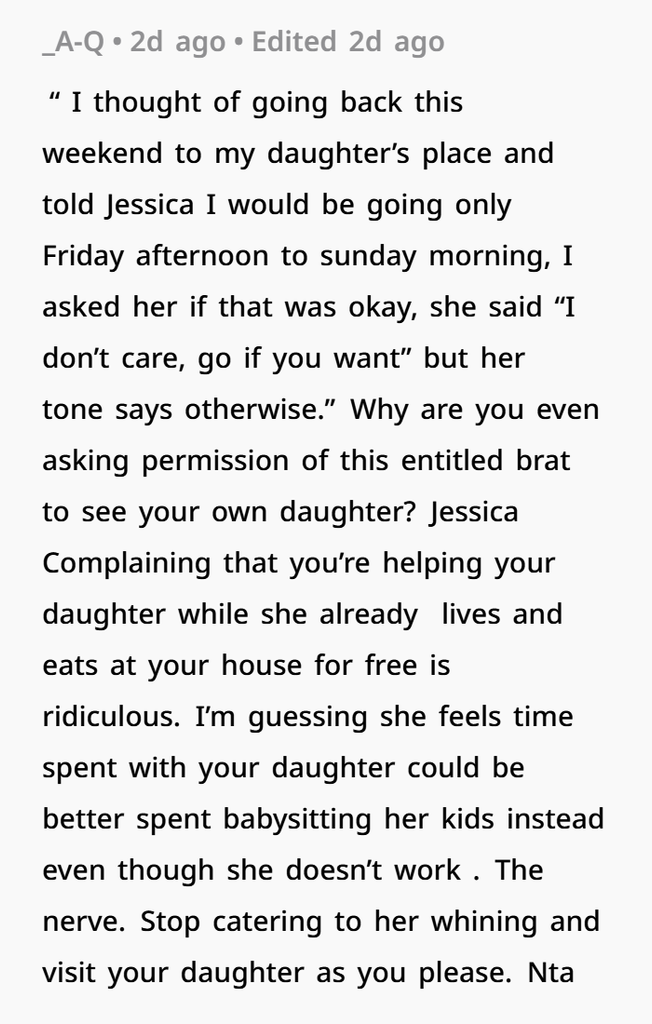
From OP’s point of view, helping her daughter feels natural.
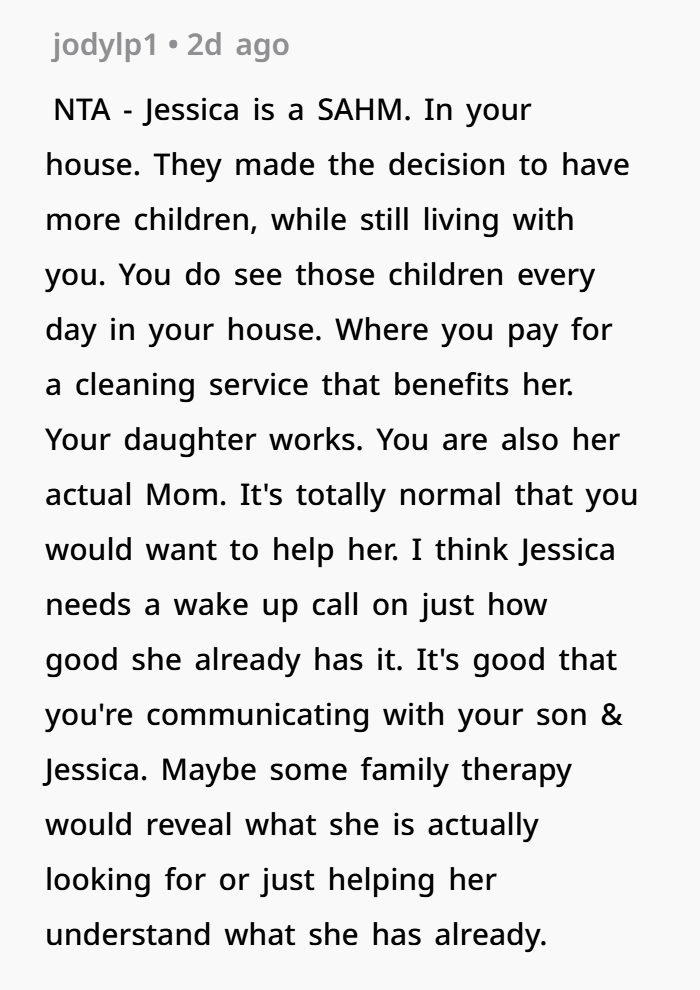
Her daughter works, manages a home, and needs extra support. OP feels that spending time at her daughter’s house is simply helping where help is needed.
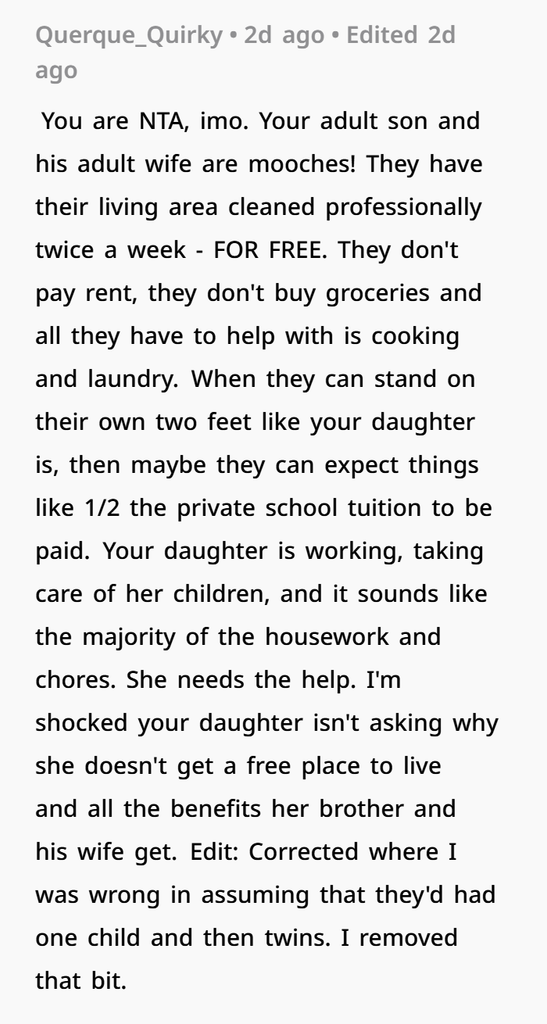
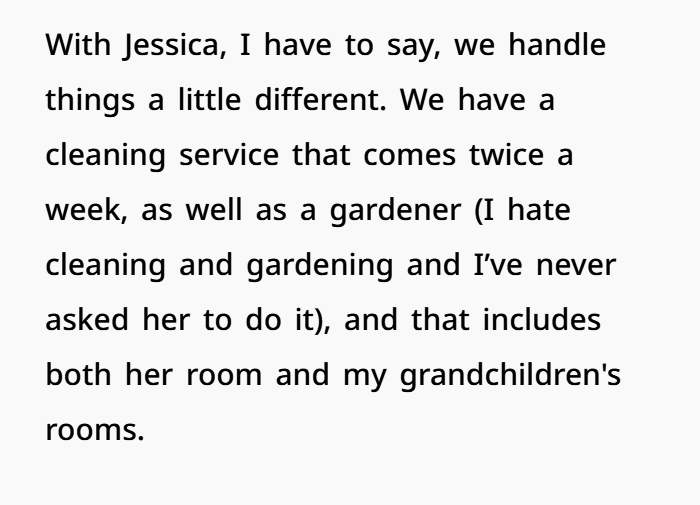
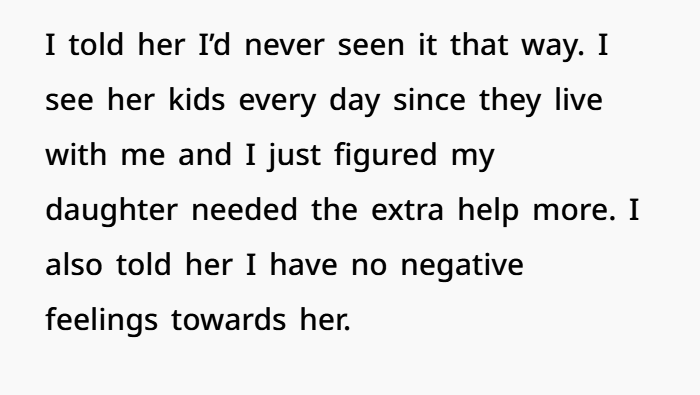
At the same time, OP lives with her son, Jessica, and their children. Because they are together every day, OP may believe they already receive plenty of attention.
To OP, this is not favoritism.
She sees it as responding to different family needs.
However, Jessica may see the situation in another way.
She may notice that OP:
- Spends more time helping her daughter
- Has a stronger connection with her daughter’s children
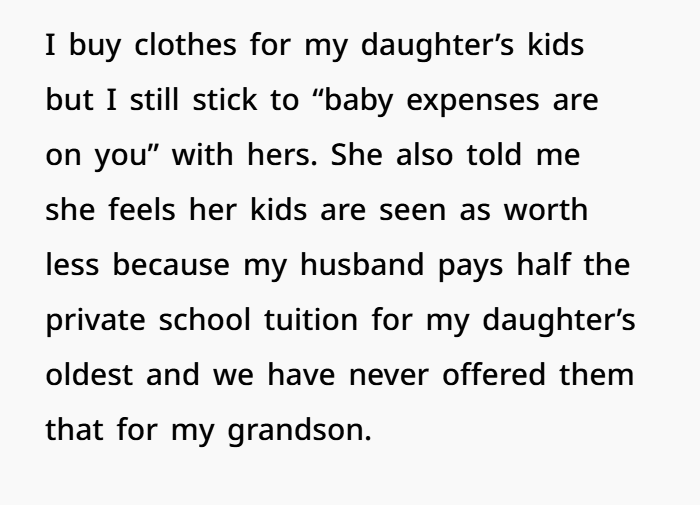
- Provides financial help to her daughter’s family
- Appears more involved with that side of the family
Even when there is a good reason behind these choices, Jessica may still feel hurt.
Why Perceived Favoritism Can Be Painful
Family members often judge fairness based on what they experience, not only on someone’s intentions.
They may compare:
- Who receives more time
- Who gets more attention
- Who receives financial support
- Which grandchildren seem closer to grandparents
This can become especially emotional when grandchildren are involved.
Grandparents’ time, love, and support can feel like a sign of which family members matter most.
Even if a parent is not trying to show favoritism, another person may still feel left out.
Being Close Does Not Always Mean Feeling Connected
OP may believe that living in the same home means Jessica and the twins naturally receive more love and attention.
But being physically close does not always create a strong emotional bond.
Relationships need effort.
A grandparent who lives nearby can still build a stronger connection by showing interest and being involved.
Simple actions can help, such as:
- Asking about the children’s routines
- Remembering important events
- Spending special time together
- Showing interest in daily life
- Supporting parents emotionally
Sometimes people do not need more help. They simply want to feel valued.
How Money Can Affect Family Relationships
Financial support between family members can create complicated feelings.
OP and her husband have the right to decide how they use their money.
Helping one adult child does not automatically mean they love another child less.
However, money can become a source of tension when family members do not understand the reasons behind those choices.
Families can reduce conflict by having clear conversations about financial support.
Some helpful approaches include:
- Helping during emergencies
- Creating clear limits around money
- Explaining financial decisions openly
- Treating grandchildren fairly when possible
Good communication can prevent many misunderstandings.
Different Expectations Can Create Conflict
A major issue in this situation may be that OP and Jessica expected different things from their relationship.
Jessica may have hoped that living together would create a close mother-and-daughter relationship.
OP may have viewed the arrangement differently. She may have seen it as a practical way to support her son and his family.
Neither person may have had bad intentions.
The problem is that these expectations were never clearly discussed.
When people expect different things from a relationship, hurt feelings can develop.
Finding a Better Balance
OP does not need to stop helping her daughter.
Giving up one relationship to make another person happy may create more resentment.
Instead, OP can focus on building a stronger connection with Jessica and the twins.
Some helpful steps include:
- Spending intentional time with them
- Asking about their needs and feelings
- Celebrating their important moments
- Creating clear financial boundaries
- Showing Jessica that she is valued as a person
Jessica is not only OP’s son’s wife. She is also an important member of the family.
The Weekend Visit Is Not the Main Problem
The decision to visit her daughter for a weekend is not the biggest issue.
The deeper concern is whether Jessica feels that OP cares about their relationship.
If nothing changes after the conversation, Jessica may feel that her feelings were ignored.
But if OP continues supporting her daughter while also making an effort with Jessica, both relationships can improve.
Building Healthier Family Relationships
This situation is not about choosing between a daughter and a daughter-in-law.
It is about understanding that adult family relationships need attention, communication, and care.
Good intentions matter, but repeated actions also send messages.
OP does not have to love one family member less to support another.
A healthy family is not built by giving everyone exactly the same things.
It is built through understanding, respect, fairness, and making each person feel important.
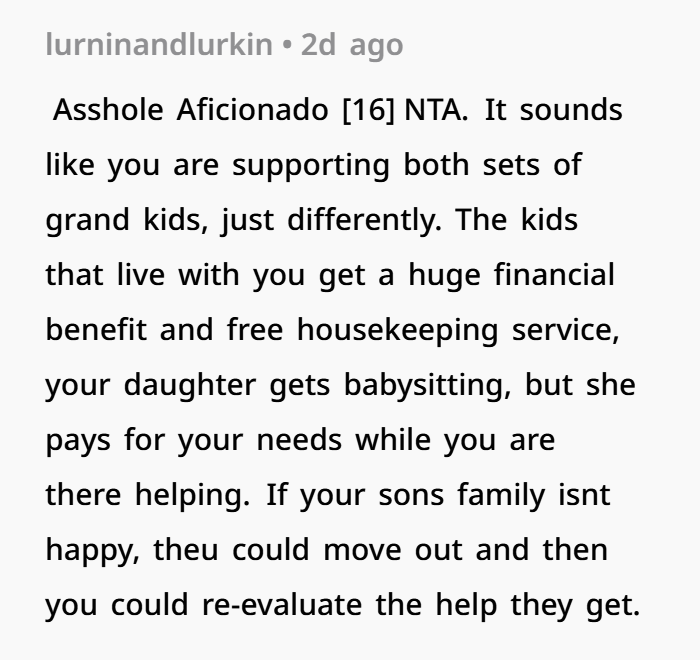
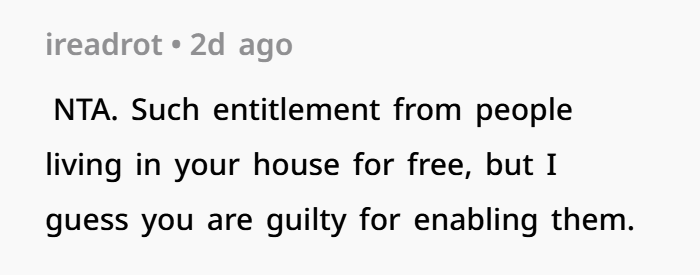
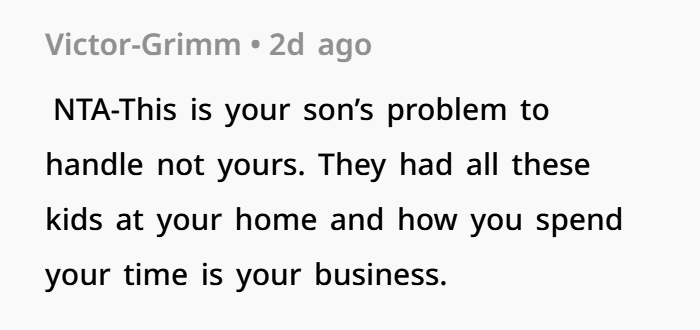
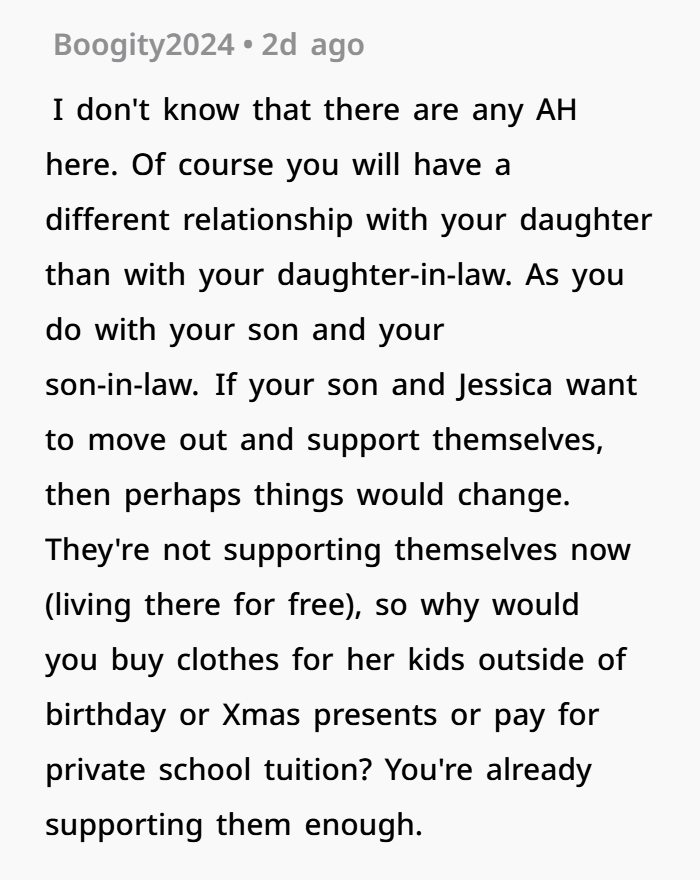
Comments From The Community