AITA for Refusing to Let My Stepmom Into the Delivery Room?
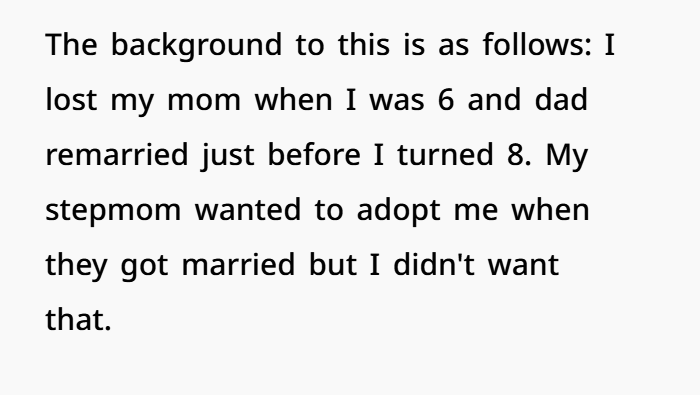
Losing a parent at a young age can deeply affect emotions and family relationships later in life. In this case, a woman lost her mother when she was only six years old. Her father remarried not long after, and her stepmother tried to build a close mother-daughter relationship with her.
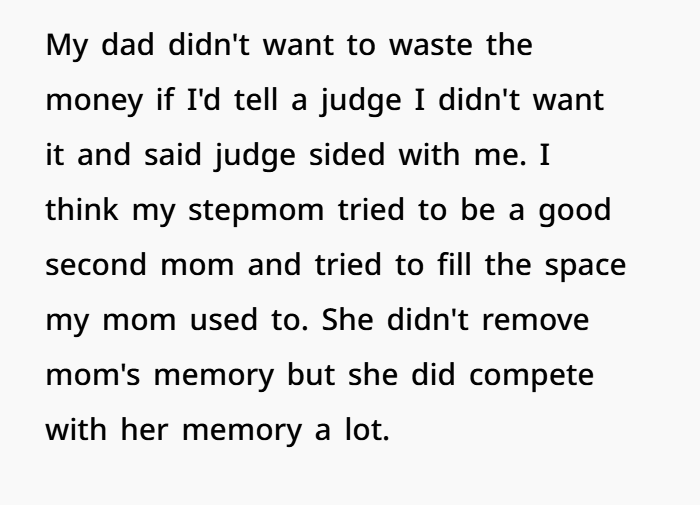
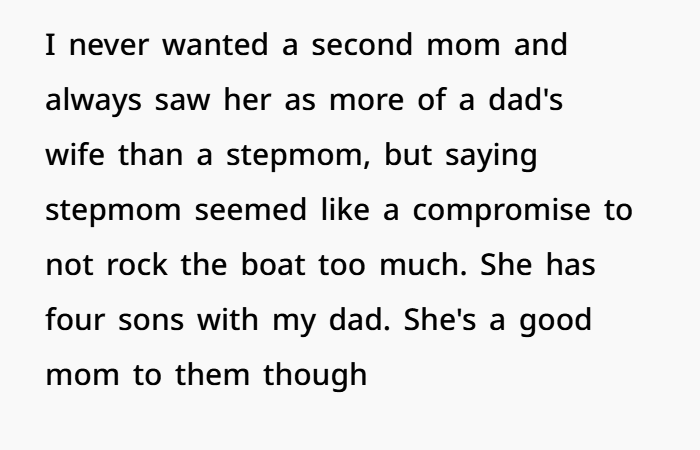
However, the woman never fully felt that bond. She respected her stepmother as part of the family and as the mother of her younger brothers, but she always kept emotional distance. Over the years, this unspoken feeling remained, even though nothing was openly discussed.
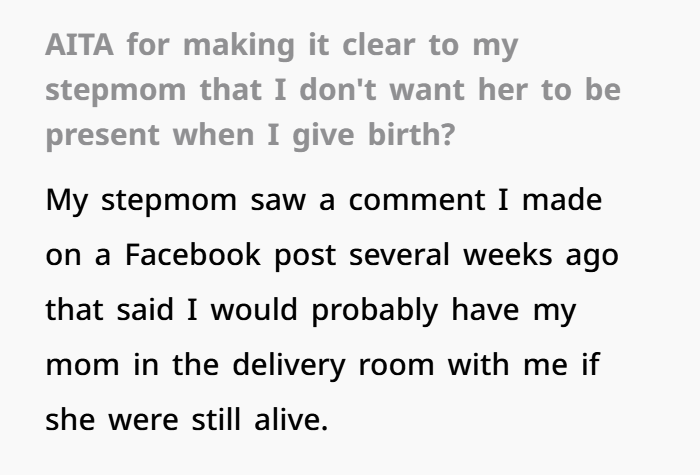
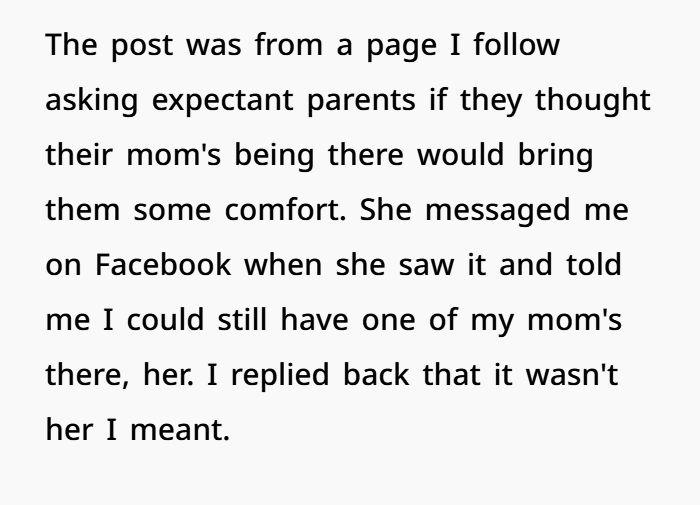
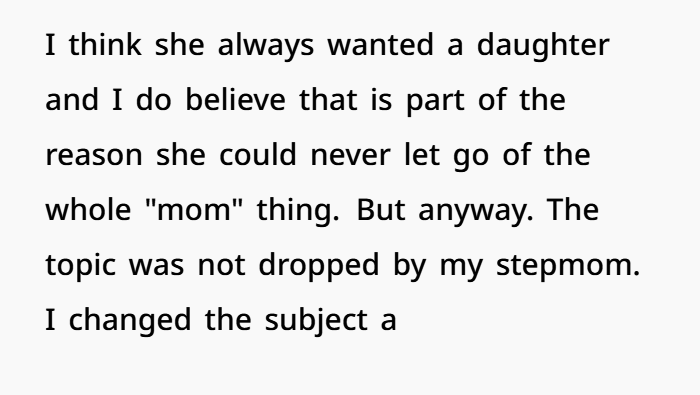
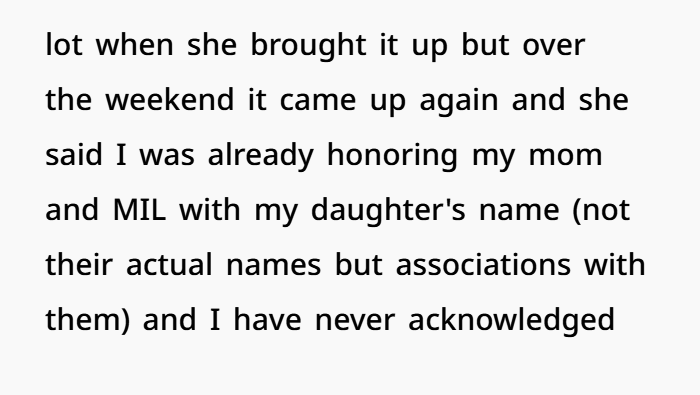
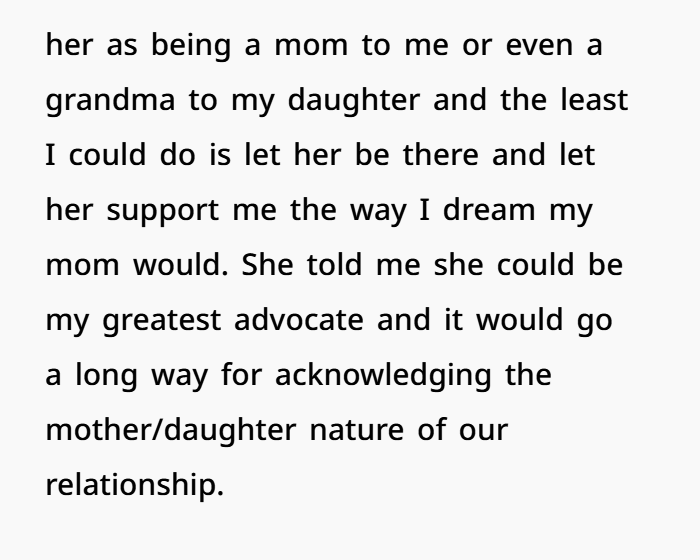
The situation became more difficult when the woman shared a post on Facebook saying she wished her late mother could be with her during the birth of her child. Her stepmother felt hurt by this and started suggesting that she should be included in that important moment instead.
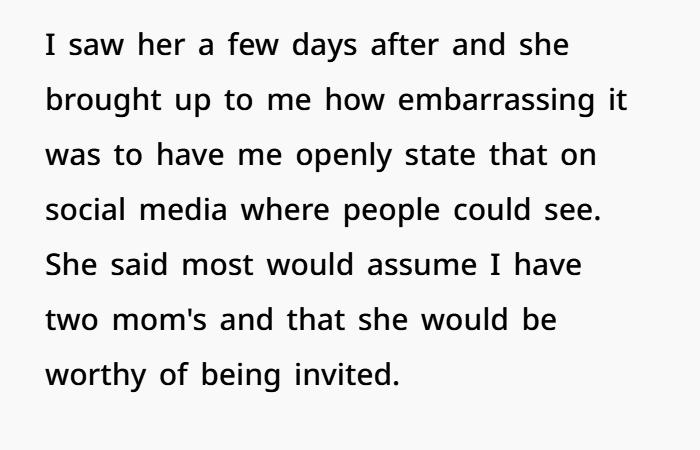
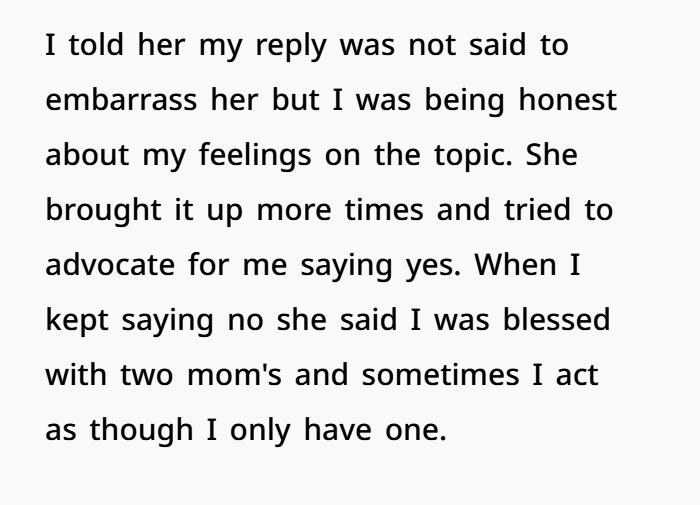
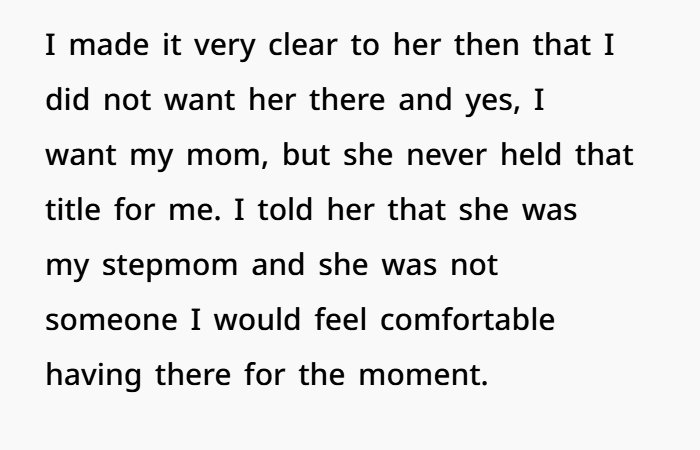
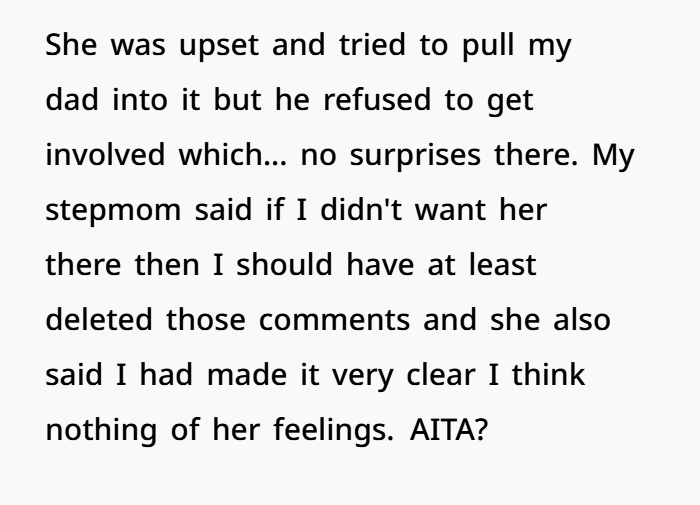
What began as small comments slowly turned into emotional pressure and guilt. Eventually, the woman became overwhelmed and told her stepmother directly that she does not see her as her mother and does not want her in the delivery room.
Now the family is experiencing tension, and both sides are hurt. The woman is also questioning whether she was too direct. This situation highlights grief, blended family relationships, emotional boundaries, and communication challenges in stepfamily dynamics.
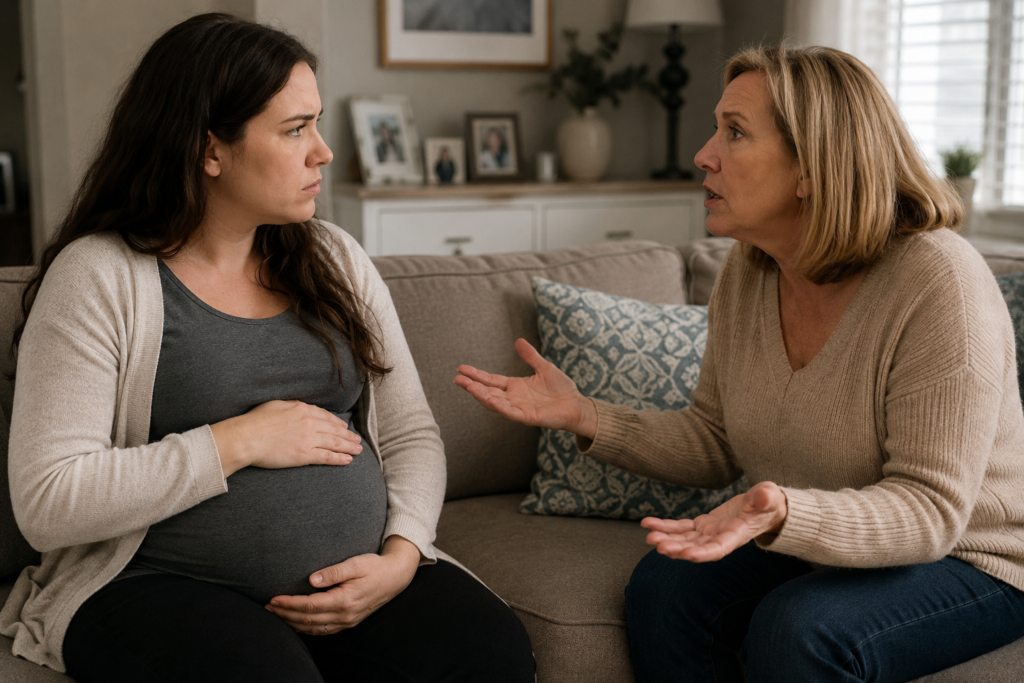
This situation is not just about who is allowed in a delivery room. It is really about family boundaries, emotional pain, grief, and long-term relationship struggles inside a blended family.
A Long History of Emotional Distance
From the beginning, OP was honest about her feelings.
She never fully accepted her stepmom as her mother. She did not call her “mom” and always saw her as a step-parent, not a replacement for her biological mother.
This likely hurt her stepmom, but OP was being honest about her emotions.
In many blended families, love does not always grow into a parent-child bond, even after many years.
The Delivery Room Decision
A delivery room is a very private and emotional place.
Most women only want people there who make them feel:
- Safe
- Calm
- Supported
- Comfortable
Hospitals also respect this choice. The mother giving birth has full control over who is in the room.
Why the Step Mom Wanted to Be There
The stepmom likely saw the birth as a very emotional moment.
She probably believed that after years of raising OP, she would finally be accepted as a real mother figure.
For her, the delivery room may have felt like emotional recognition and family acceptance.
But childbirth is not meant to “prove” family status or fix old emotional pain.
Pressure and Repeated Requests
The problem became worse because the stepmom kept asking again and again.
She used emotional arguments, guilt, and family pressure instead of accepting the first answer.
This made OP feel more stressed and pushed.
When someone keeps repeating a request after being told no, it can feel like emotional pressure instead of a normal conversation.
Grief for a Biological Parent
OP also lost her biological mother.
Because of that, her emotional connection to her late mother stayed very strong.
She did not want anyone to replace that role in her life, especially during a major life event like childbirth.
Wanting her biological mother’s presence during labor is an emotional response that many people can understand.
Why Stepparent Relationships Are Complicated
Stepparents can love and care for a child deeply, but they may not always receive the same emotional role in return.
This is especially hard when:
- The child remembers a biological parent
- The biological parent passed away
- The stepparent has raised the child for many years
Even with love and effort, the emotional bond may not become the same as a biological parent-child relationship.
Emotional Pressure vs Personal Boundaries
This situation is really about two different needs:
- The stepmom wanted emotional recognition and closeness
- OP wanted personal space and emotional safety during childbirth
Both feelings are real, but only one person has control over the delivery room decision.
Why Pregnancy Makes Emotions Stronger
Pregnancy often brings back strong emotions.
People may think more about:
- Family
- Parents
- Loss and grief
- Emotional support
This can make past family pain feel even stronger during major life changes.
Communication Problems in the Family
The father mostly stayed out of the conflict, which may have allowed tension to grow over time.
In blended families, avoiding conflict can sometimes make emotional distance worse instead of better.
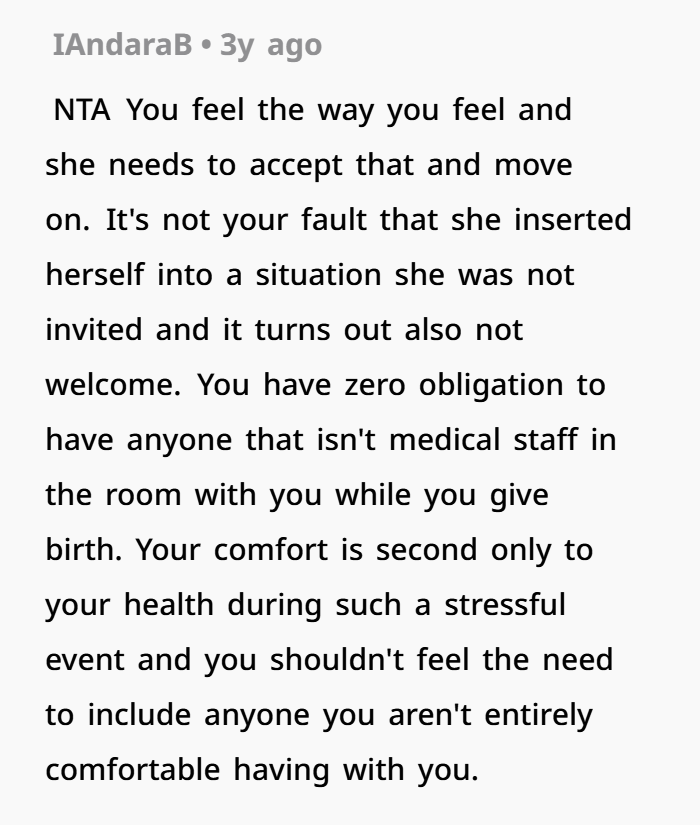
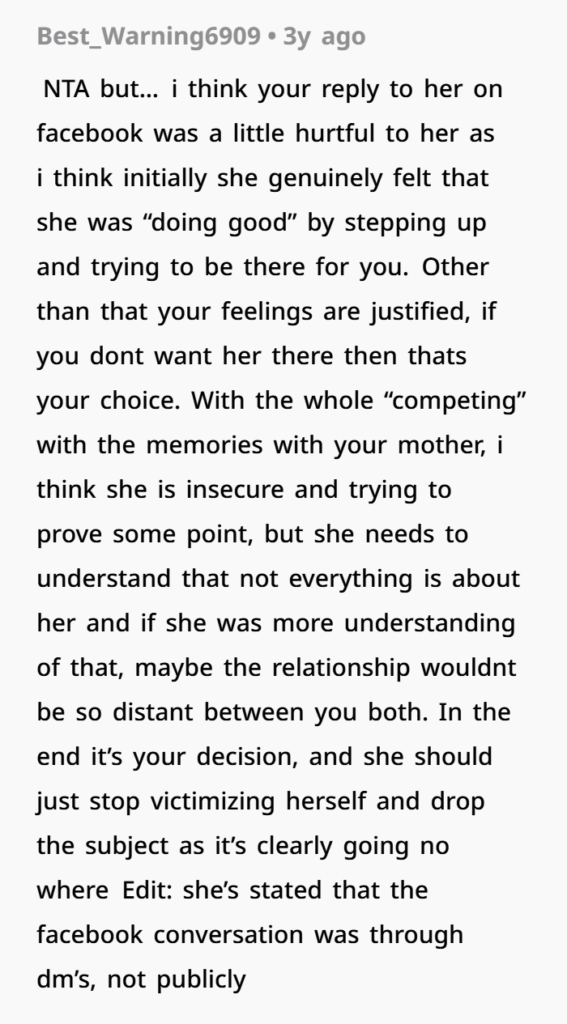
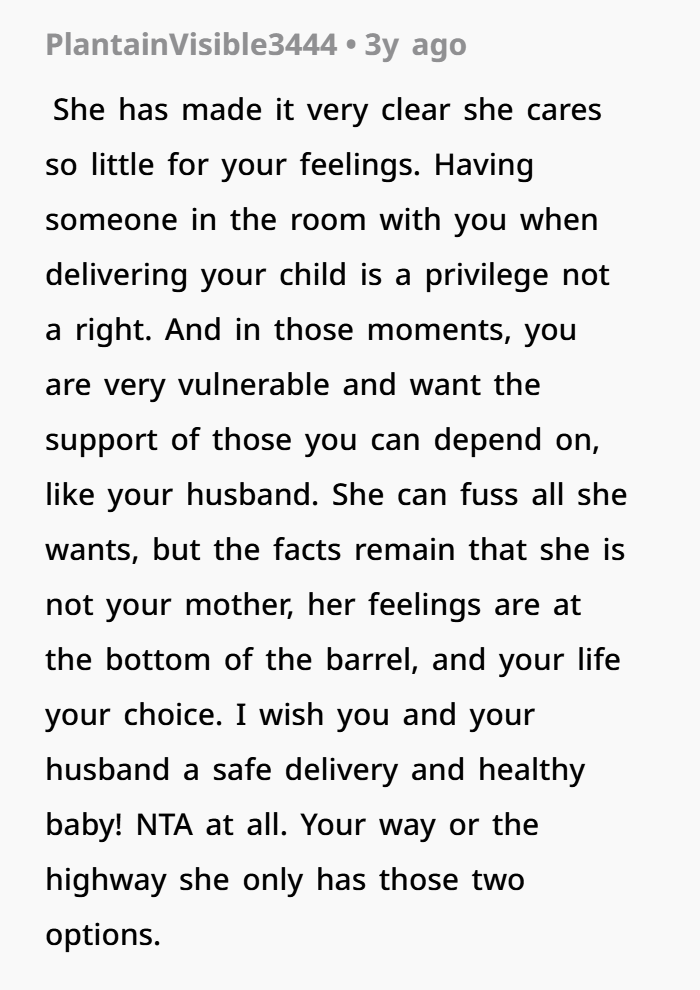
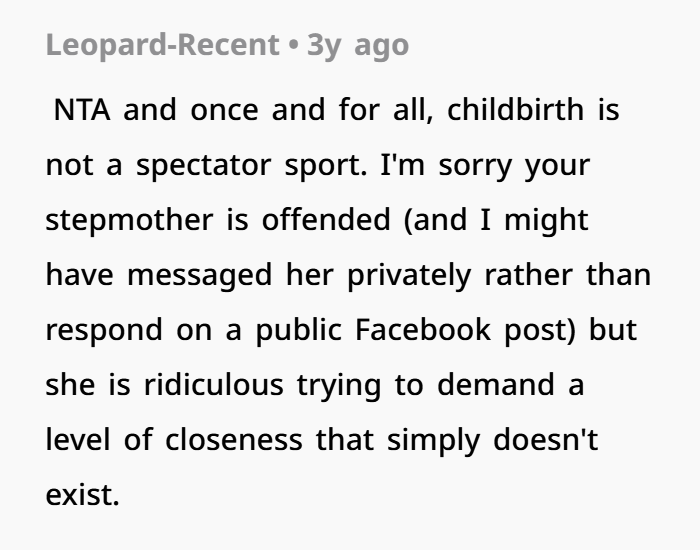
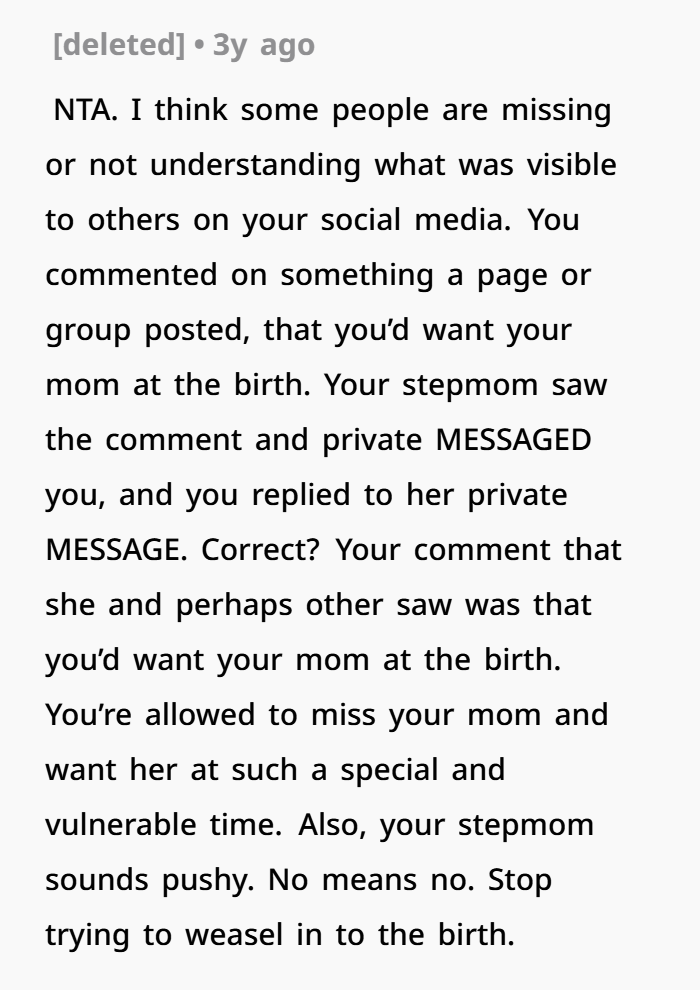
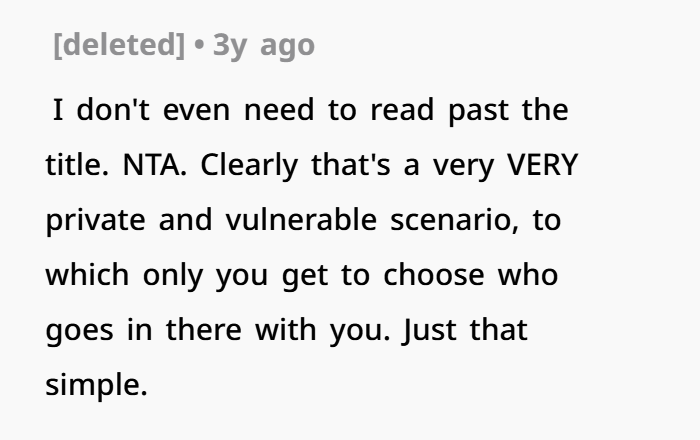
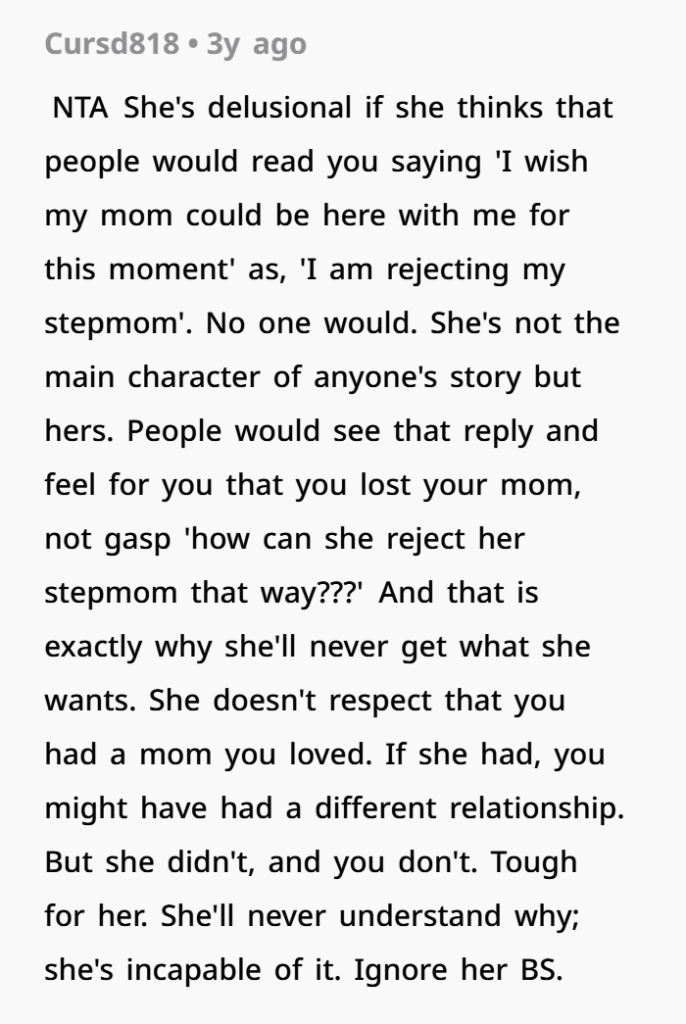
Netizens immediately sided with the pregnant woman, pointing out that the stepmother wasn’t respecting her wishes
Final Thoughts
This story is not just about a delivery room.
It is about:
- Blended family relationships
- Grief and loss
- Emotional boundaries
- Stepparent expectations
- Communication problems
- Mental and emotional safety during childbirth
At the core, this situation shows a simple truth:
Love and effort do not always create the same emotional bond for everyone. And during childbirth, the mother’s comfort and mental health must come first, even when it is emotionally difficult for others.