Man Says Fake Paternity Test Changed His Life for 11 Years
A man says he spent more than a decade believing he was the father of a child after a paternity test showed a connection between them. He later says another DNA test revealed that he was not the biological father.
The 30-year-old is now trying to understand his legal rights and what steps he can take. His case involves questions about paternity fraud, DNA testing, parental rights, and the challenges of changing legal fatherhood records.
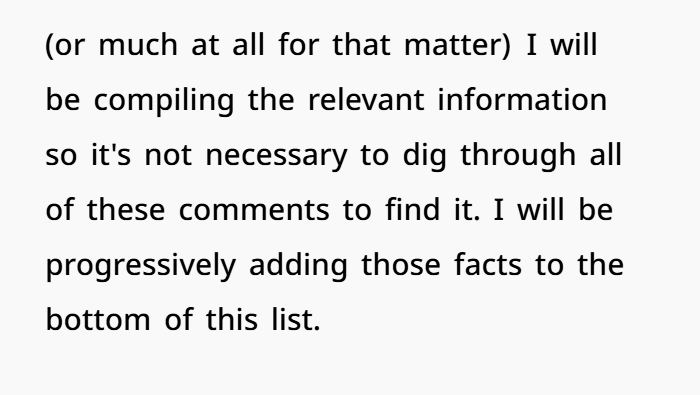
The man claims he has evidence of both DNA tests and believes he was the victim of paternity fraud. However, he says prosecutors and agencies have been unwilling to take action, leaving him legally connected to a child he did not father.

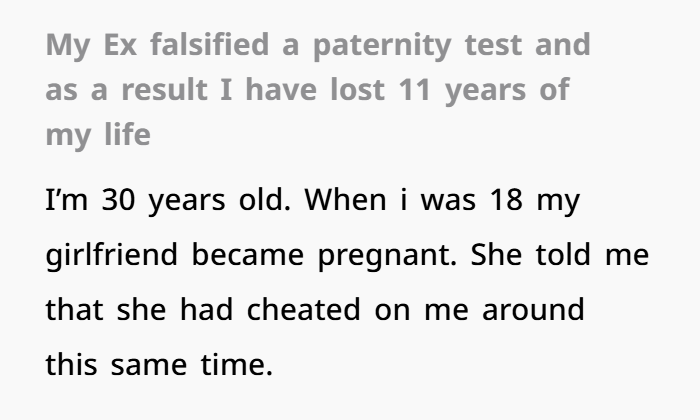
When he was 18 years old, the man says his girlfriend became pregnant. Around the same time, she told him she had been unfaithful.
Instead of walking away, he decided to stay and support the baby. He says they agreed to complete a paternity test after the child was born to find out the truth.
According to his account, the test showed that he was the father. He trusted the result and spent the next 11 years raising the child as his own.
Years later, he says things started to feel different. He noticed the child was beginning to look less like him and more like the man his former girlfriend had cheated with.
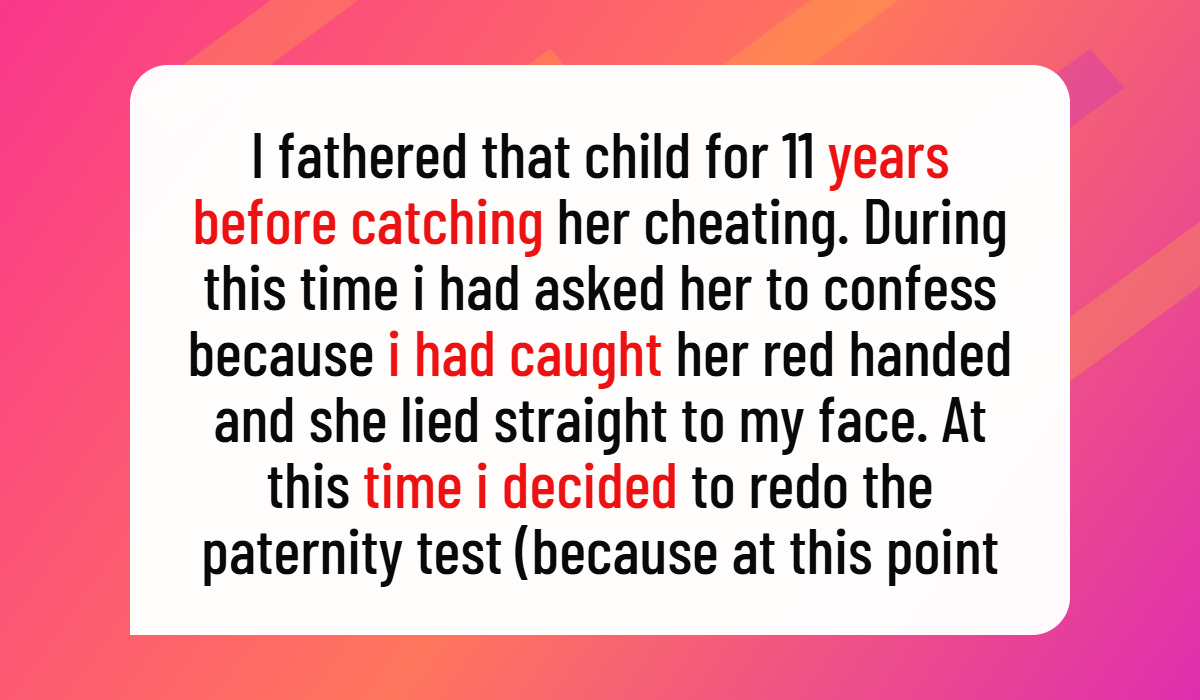
The situation became even more painful when he says he discovered his former partner was cheating again. He confronted her, hoping she would finally admit the truth, but he says she denied everything.
That moment pushed him to take another DNA paternity test.
The results shocked him.
The new test showed that he was not the child’s biological father.
He says he later discovered that the original paternity test had allegedly been created using the biological father’s DNA while his own information was placed on the report.
If true, the situation could be considered a serious case involving paternity fraud and DNA test fraud, but the man says getting legal authorities to investigate has been difficult.
He says he has contacted multiple agencies and explained his situation, but many responses have been unclear. According to him, officials have not been willing to move forward with a criminal case.
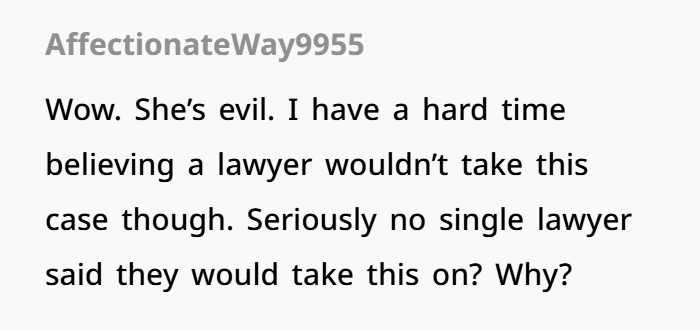
He also says a lawyer told him that the actions could potentially amount to a felony under his state’s laws. However, without a conviction or another legal process, he remains listed as the father on the child’s birth certificate.
That creates another major problem.
Even though the DNA test reportedly shows he is not the biological father, he says he is still responsible for the legal duties connected to fatherhood, including possible financial obligations.
The Emotional Impact of Discovering the Truth
The man says the hardest part is not only losing 11 years of his life but also dealing with the effect this has had on the child.
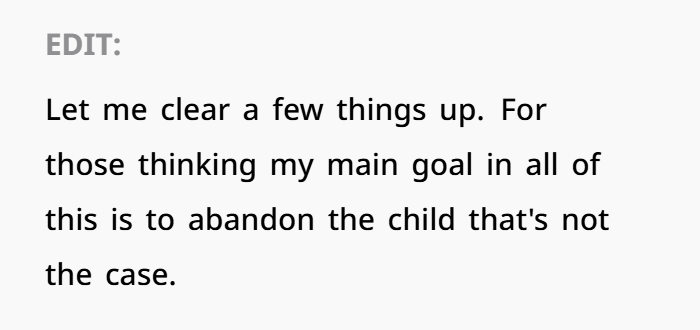
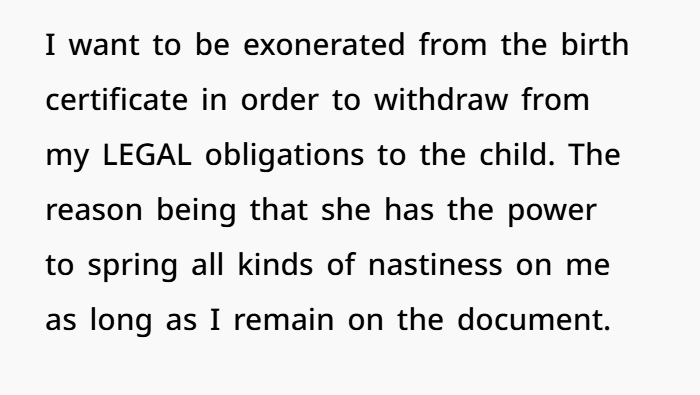
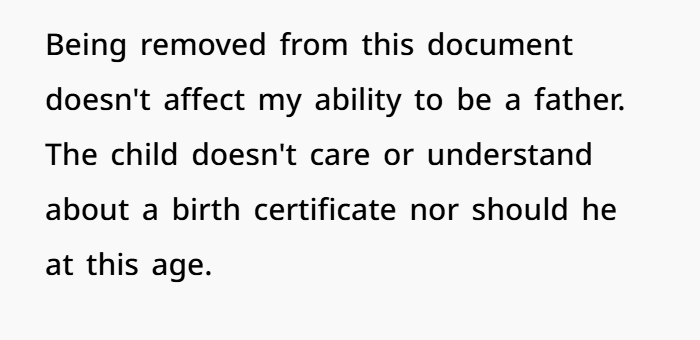
He explained that his goal is not to abandon the child. Instead, he wants to remove himself from the legal responsibilities tied to the birth certificate while still being able to maintain a relationship if that is what is best for the child.
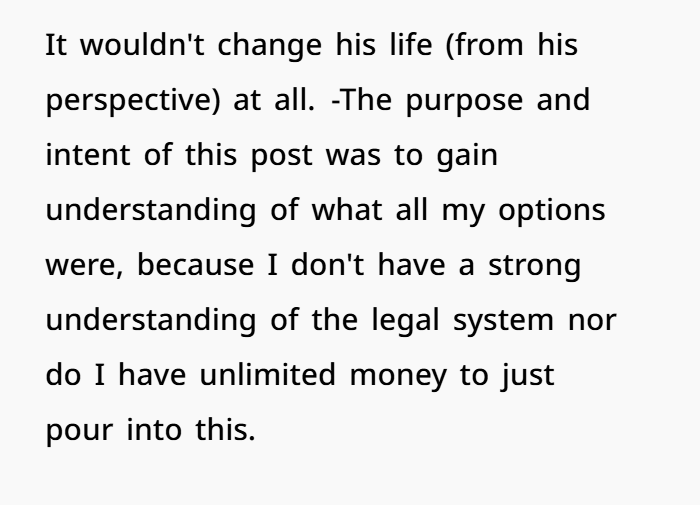
He says the child does not understand the legal situation and should not have to carry the burden of adult decisions.
His main concern is that remaining legally recognized as the father gives his former partner the ability to create future problems involving custody, support, and parental rights.
Why Is Paternity Fraud So Difficult to Fight?
Cases involving false paternity claims can become complicated because family law often focuses on legal parentage rather than only biological connections.
In many places, a man who signs a birth certificate or legally accepts fatherhood may still be considered the child’s legal parent, even if later DNA testing proves he is not the biological father.
According to resources from organizations such as American Bar Association, family law rules can vary widely by state, and issues involving parental rights, child support, and genetic testing often depend on specific timelines and legal procedures.
Some states have strict deadlines for challenging legal paternity, which can make cases harder when someone discovers the truth years later.
What Options Could Be Available?
People facing similar situations often explore several legal options, depending on where they live:
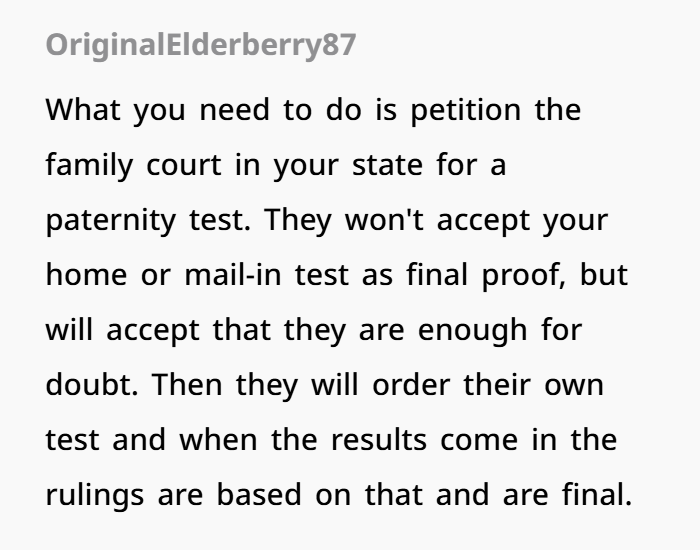
- Filing a petition to challenge legal paternity
- Requesting a court review of DNA evidence
- Seeking changes to birth certificate records
- Exploring possible civil claims related to fraud or misrepresentation
- Speaking with a family law attorney familiar with paternity disputes
The exact options depend heavily on state law, previous court orders, and whether the person legally acknowledged the child as their own.
See the comments to know what people said





The story highlights how complicated paternity disputes can become when biology, law, and years of family life collide. For this man, discovering the truth after 11 years changed everything he believed about his role as a father.
While he says he is not trying to walk away from the child, he wants the legal system to recognize what the DNA evidence shows and give him a fair chance to resolve his situation. His experience also shows why cases involving paternity fraud and legal fatherhood can be so difficult and emotionally painful for everyone involved.
At the center of the issue is a child who has grown up with the understanding that this man is his father. Any legal decision must consider not only the adults involved but also the child’s emotional well-being and future.
For now, the man continues looking for answers and a legal path forward, hoping that the evidence he has collected will finally receive proper attention.