My Baby’s Great-Grandma Refused to Shower Before Meeting Him—So I Held My Boundary
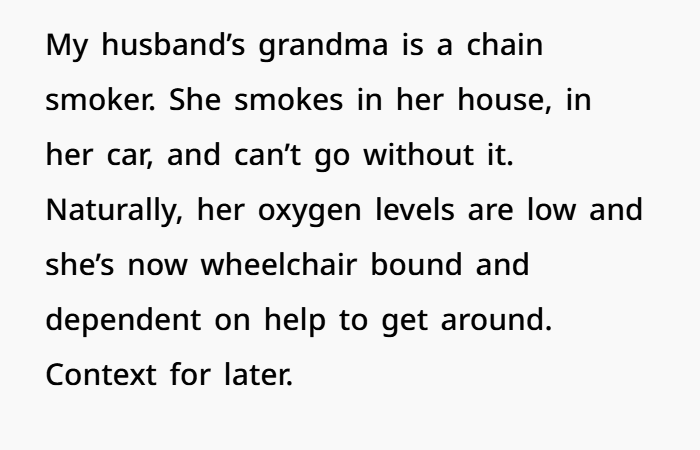
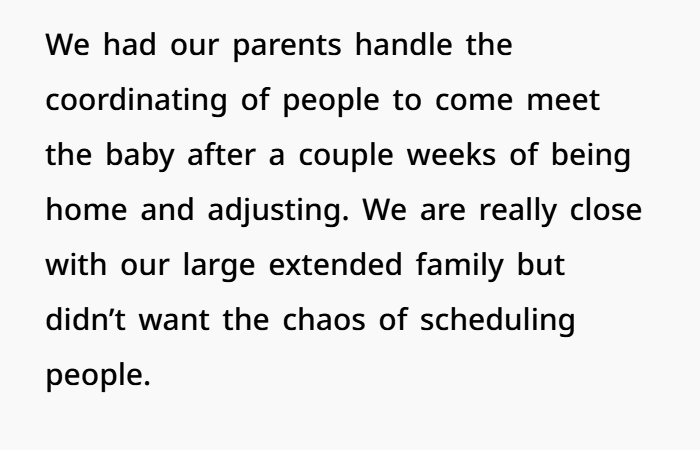
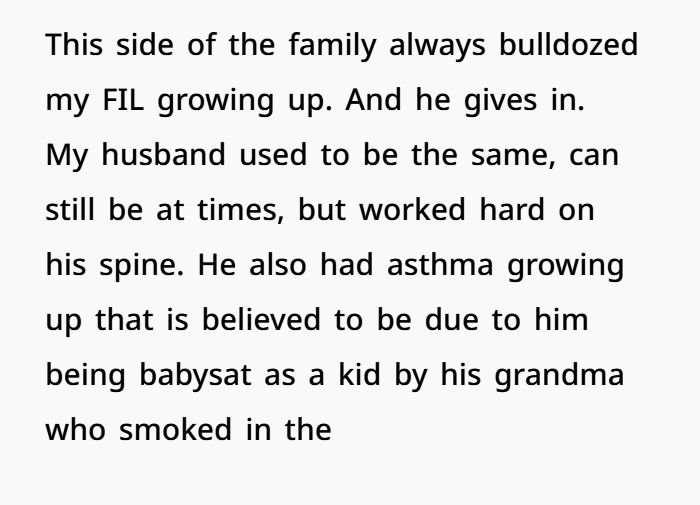
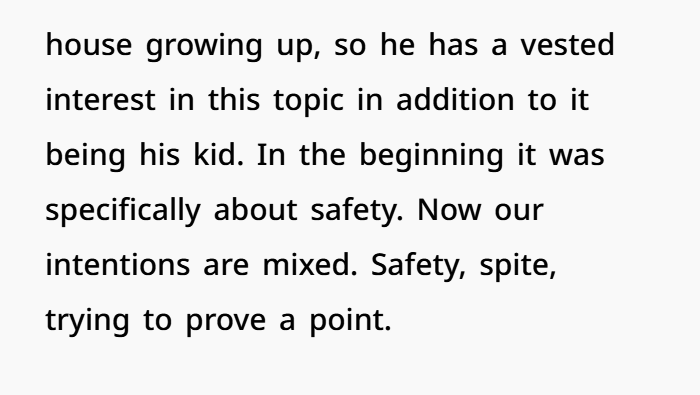
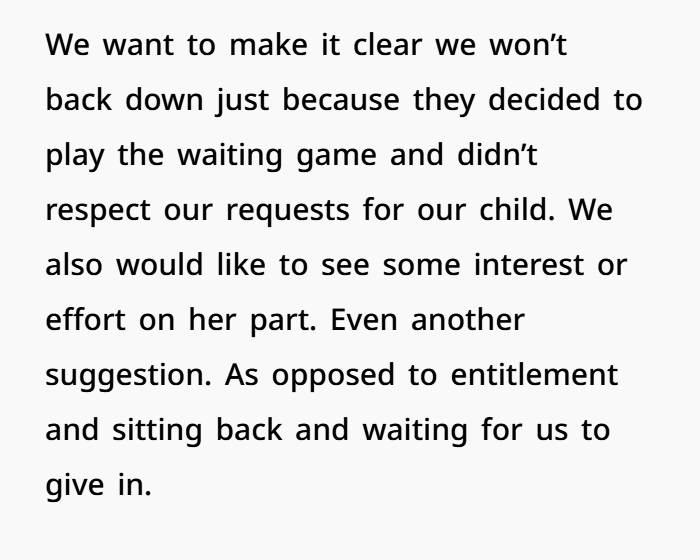
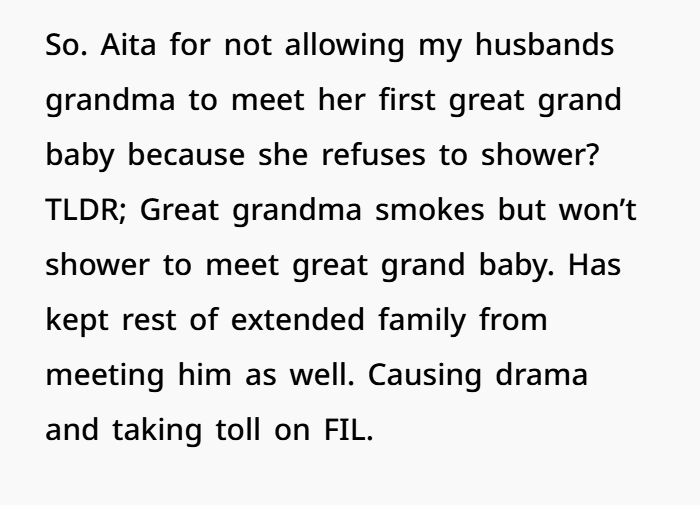
This story follows a young couple facing a difficult family situation after the birth of their first baby. Their son arrived four weeks early and needed special medical care in the NICU for nine days. Because their newborn had health challenges at the start of life, the parents wanted to take extra steps to reduce health risks.
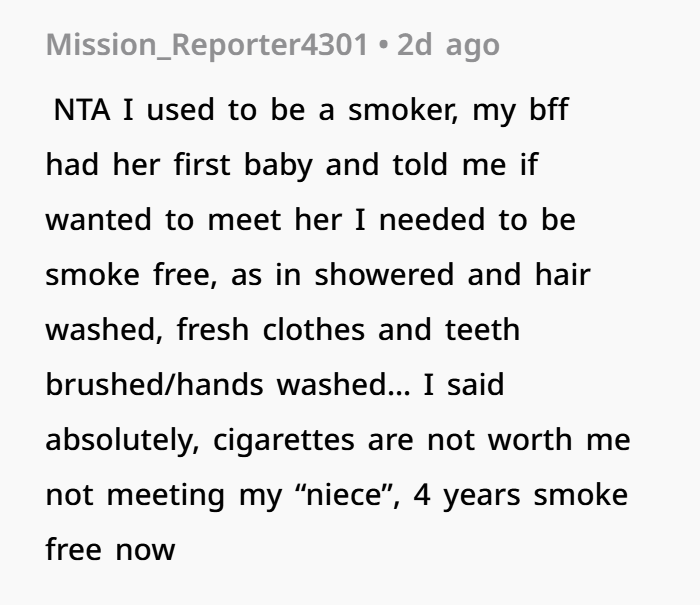
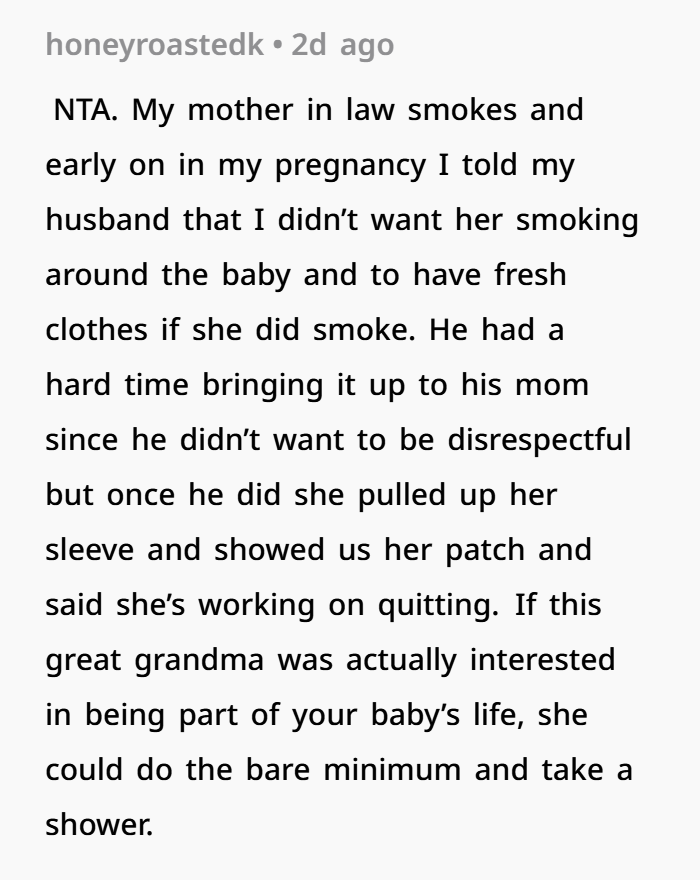
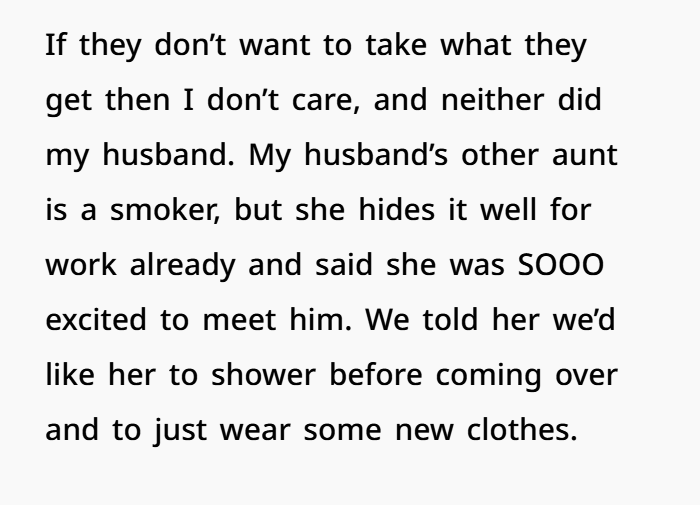
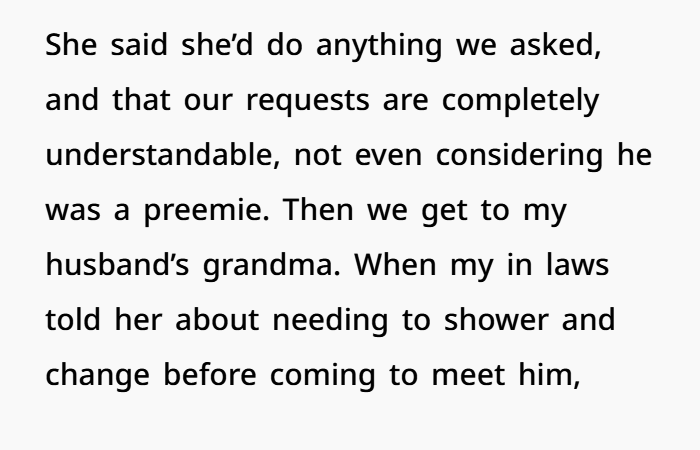
The couple created a clear rule for visitors. Family members who smoke needed to clean up before spending time with the baby. This included taking a shower, wearing clean clothes, and making sure smoke residue was not brought close to the child. Most relatives understood and respected the parents’ concerns.
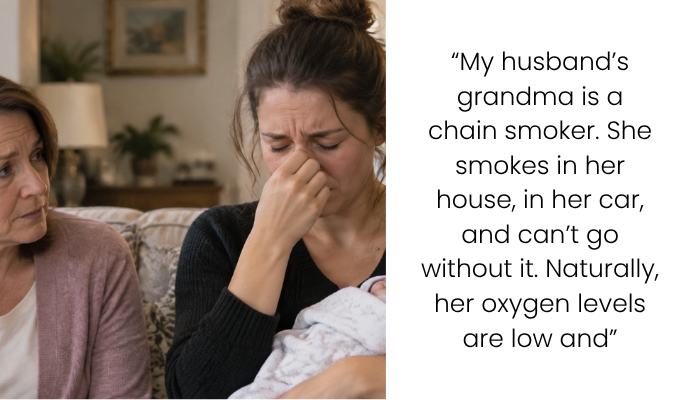
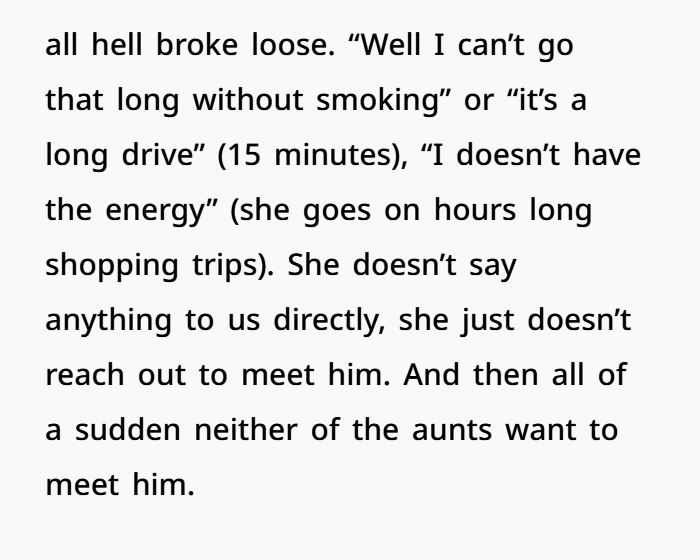
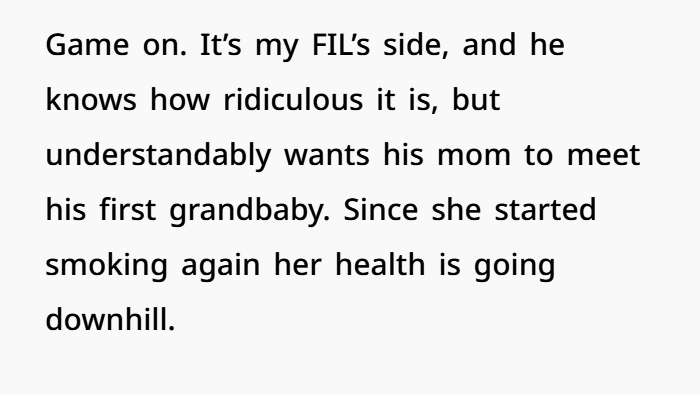
However, the husband’s grandmother did not accept the rule. She has been a smoker for many years and said she was not able to follow the parents’ request. She felt the steps were too difficult, even though the parents explained that the goal was only to protect their baby’s health.
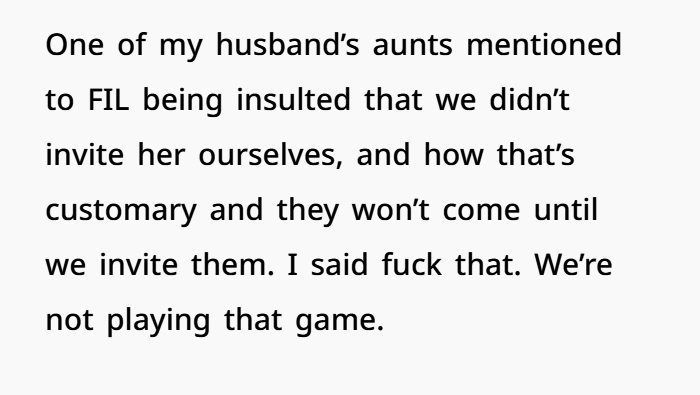
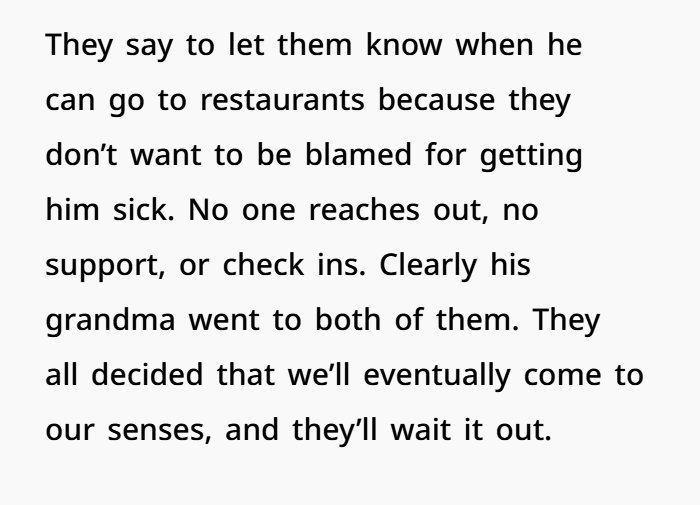
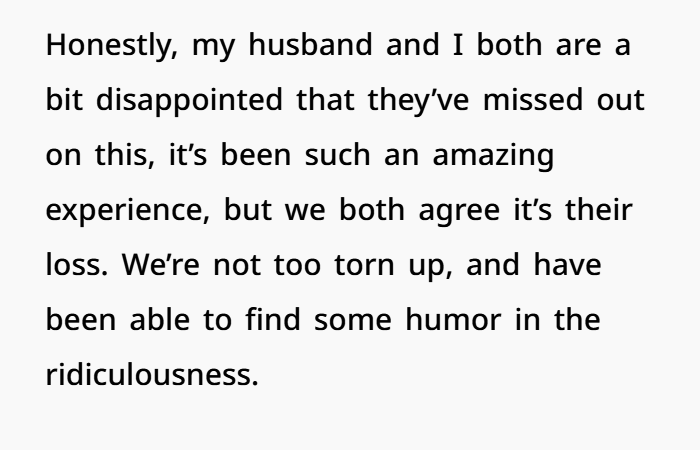
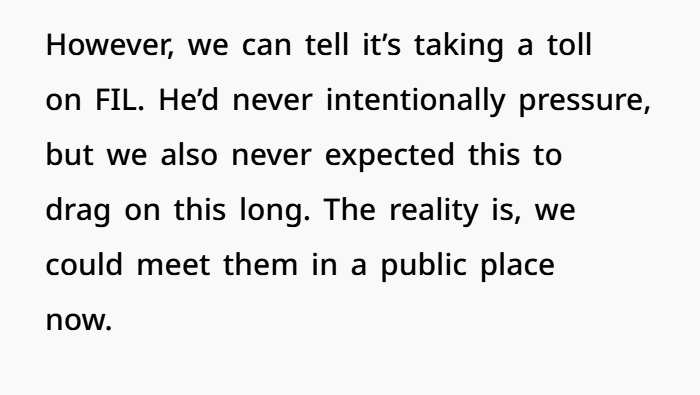
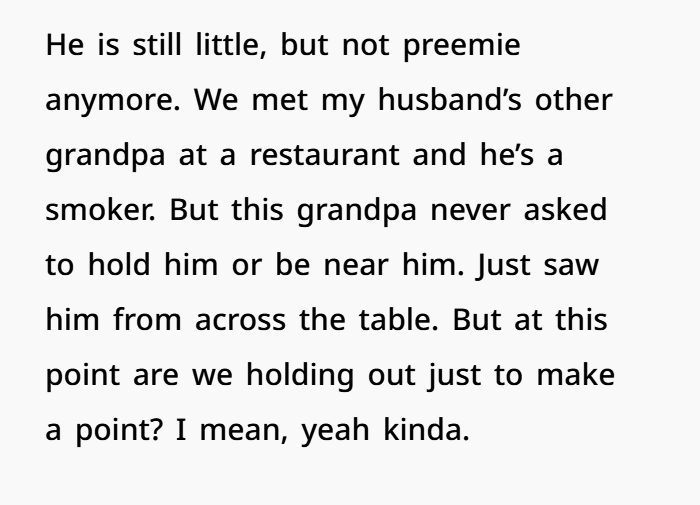
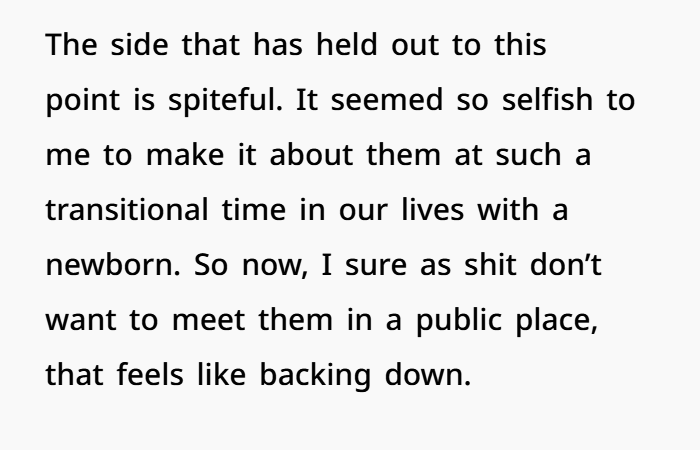
The disagreement caused tension between family members. Some relatives stopped trying to visit and believed the parents were being too strict. After many months, the grandmother still had not met the baby. The parents are now trying to decide how to handle family relationships while keeping their child’s safety as their main priority.

Thirdhand Smoke, Baby Safety, and Setting Family Boundaries
Becoming a parent often changes the way people think about safety and family relationships.
Many new parents face difficult situations where they have to balance family feelings with their responsibility to protect their child.
Sometimes relatives may feel hurt when parents create new rules. They may see boundaries as rejection.
However, most parents set boundaries because they want to make safe choices for their children, not because they want to punish anyone.
Why Smoke Exposure Is a Concern Around Babies
Many people know about secondhand smoke, which happens when someone breathes in smoke from another person’s cigarette.
But there is another concern called thirdhand smoke.
Thirdhand smoke is the chemical residue that remains after smoking. These particles can stay on:
- Clothes
- Hair
- Skin
- Furniture
- Car seats
- Household surfaces
Even when the smoke is no longer visible, these leftover chemicals can remain in the environment.
Babies are more sensitive because they spend a lot of time touching surfaces and putting their hands near their mouths.
For many parents, reducing smoke exposure is an important part of creating a healthy environment for their child.
Why Parents May Be Extra Careful With Babies
Parents often become even more careful when their baby has experienced health challenges.
Premature babies, including babies who have spent time in the NICU, may have developing immune and respiratory systems.
Because of this, many families choose to take extra precautions during the early months.
Even when a baby becomes stronger and healthier, parents may continue some safety habits because they want to protect their child.
Making careful choices about a baby’s health is a personal decision for each family.
When Family Members Disagree With Parenting Choices
Family disagreements can become emotional, especially when grandparents are involved.
A grandparent may feel that a rule is unnecessary or may feel personally rejected.
But a parenting boundary is usually about protecting the child, not about judging another person.
Family members can disagree and still show respect.
A healthy response would be asking questions, discussing concerns, and trying to understand each other.
The goal should be finding a solution that respects both the child’s safety and the family relationship.
When a Boundary Becomes a Family Conflict
Sometimes, a disagreement is no longer only about the original issue.
Over time, it can become about respect, trust, and whether parents feel their decisions are being accepted.
This is common in family relationships where people have different expectations.
Parents may feel they are being pressured to give up a rule.
Relatives may feel they are not being included.
The real issue often becomes communication and respect.
Boundaries Are Not About Control
A healthy boundary is a way to explain what is needed for a safe and respectful relationship.
For example:
“We need certain safety steps before visits with our baby.”
A boundary focuses on what someone needs to feel comfortable.
A punishment is different.
A punishment focuses on making someone suffer for disagreeing.
The same decision can feel very different depending on the reason behind it.
Parents can protect their child while also trying to maintain positive family relationships.
Finding a Balanced Solution
Sometimes family situations change over time.
A parent may decide to review an old rule if the circumstances are different now.
For example, a family may create a safer visit plan that includes steps like:
- Showering before holding the baby
- Wearing clean clothes
- Meeting in a clean environment
- Avoiding smoking before visits
Finding a solution does not mean anyone was wrong before.
It simply means families can adjust while keeping the child’s health as the priority.
Respect Is Important in Parent and Grandparent Relationships
Grandparents often have a special place in a child’s life.
A loving relationship between grandparents and grandchildren can be meaningful and valuable.
However, that relationship works best when grandparents respect the parents’ role.
Parents are responsible for making decisions about their child’s health, safety, and daily care.
Family members can share opinions, but the final responsibility belongs to the parents.
Protecting a Child While Keeping Family Bonds Strong
This situation is not only about smoking or a specific rule.
It is about whether family members can respect each other’s roles and choices.
Parents want to keep their children safe.
Grandparents want to feel connected and included.
Both feelings are understandable.
The healthiest family relationships are built on trust, open communication, and respect.
Protecting a child and maintaining family connections can happen together, but respect must come first.
What The Comments Reveal