AITA for Refusing to Buy My Niece Food Because She Always Eats Mine Instead?
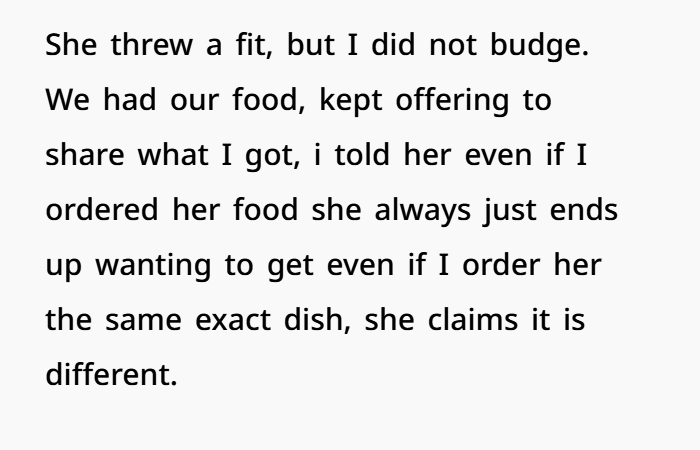
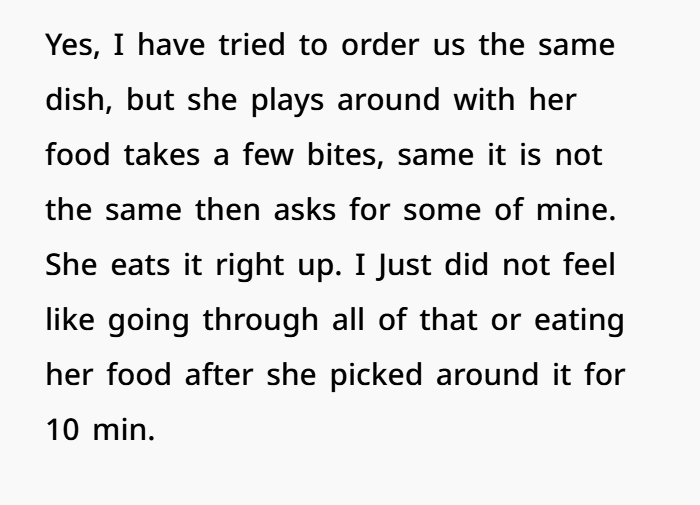
A parent figure shared a situation about eating out with their young niece. The family often goes to restaurants after picking up the children from school. During these outings, the niece usually orders her own meal but often leaves most of the food untouched.
After noticing this pattern several times, the adult decided not to order a separate meal for the niece. Instead, they suggested sharing a meal together. They felt this would help avoid wasting food while still making sure the child had something to eat.
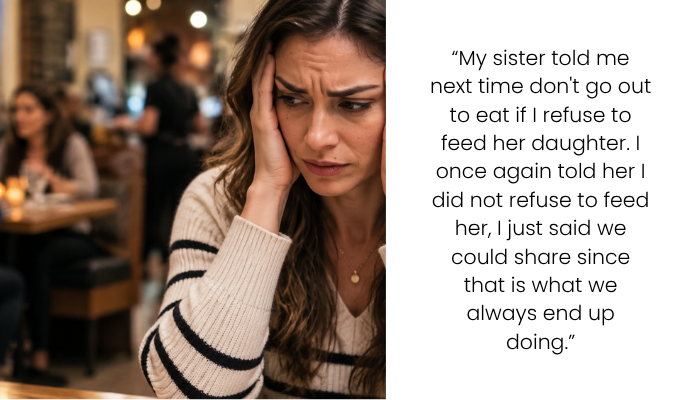
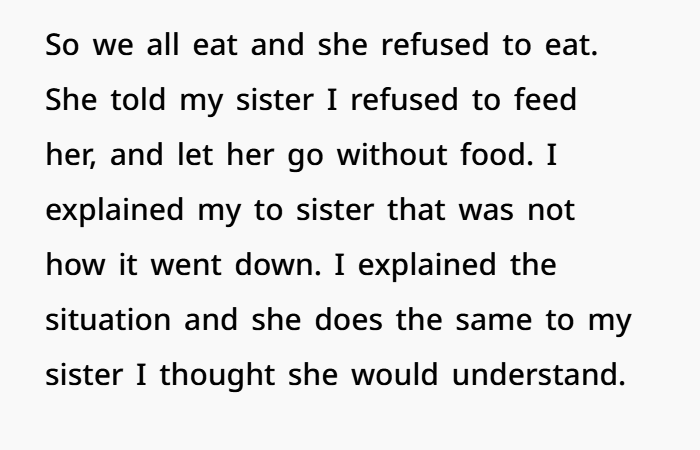
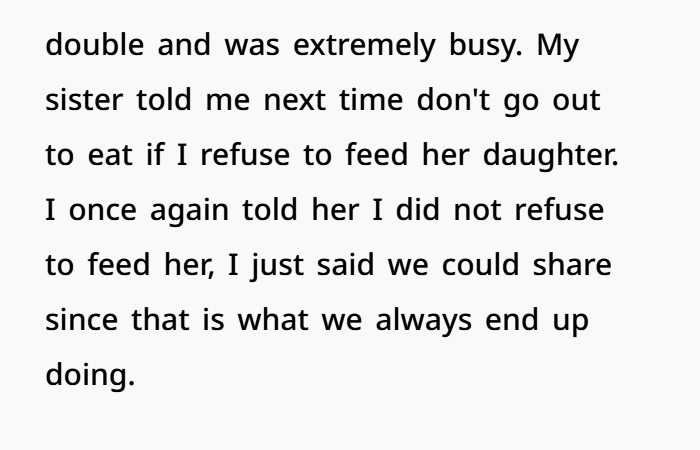
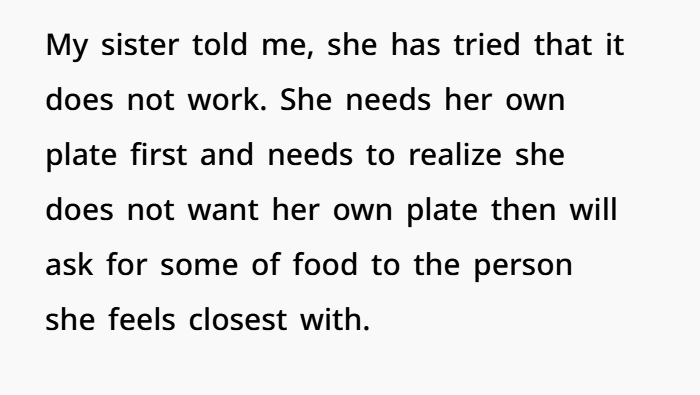
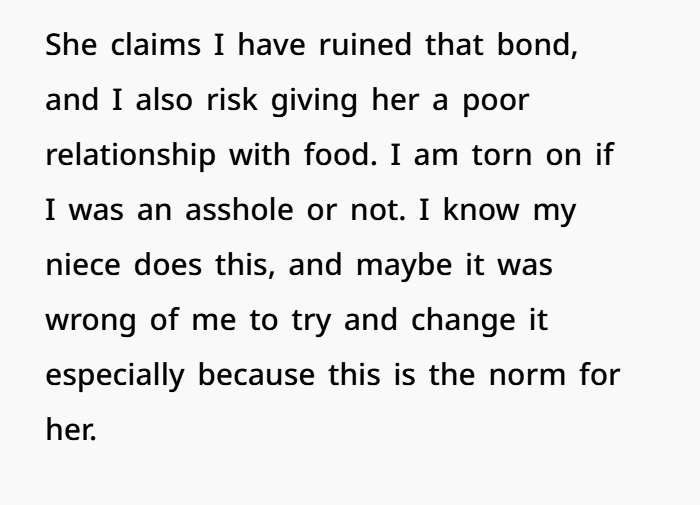
The niece did not like the change and later told her mother that she was not fed. The adult explained that the child was offered food and that the decision was about avoiding unnecessary food waste, not about refusing to provide a meal.
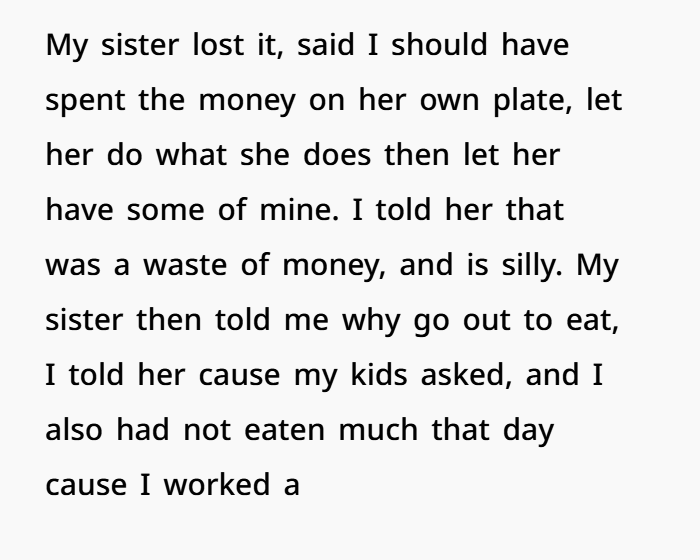
The niece’s mother had a different view. She believed children may need their own meal to feel comfortable and enjoy mealtime. The disagreement brought attention to topics like family communication, children’s nutrition habits, food management, and setting healthy boundaries.

Kids’ Eating Habits, Food Choices, and Family Boundaries
Many families have different opinions about how to handle children’s eating habits. Adults often want children to enjoy food, learn healthy habits, and feel comfortable during meals.
At the same time, caregivers also think about practical things like food costs, wasted meals, and daily routines.
Small food decisions can sometimes become bigger discussions because different adults may have different ideas about what is best for a child.
Why Young Children Change Their Food Choices
Young children often change their minds about food.
A child may ask for one meal and then decide they want something else. They may refuse a food they liked before or suddenly want to try what another person is eating.
This is common for children around ages 5 and 6.
During this stage, children are learning independence. They like making choices and having some control over small parts of their day. Food can become one way they show their preferences.
Sometimes, another person’s meal looks more exciting simply because it belongs to someone else.
Why Kids Want Food From Someone Else’s Plate
Many parents notice that children often want to eat from another person’s plate.
This does not always mean they dislike their own food.
Sometimes food looks more interesting when a child sees someone else eating it. It may feel like a new choice or something special.
For example, a child may not want their own sandwich but may happily ask for a bite from a parent’s sandwich.
This type of behavior is a common part of child development.
The Challenge of Food Waste
While changing food preferences are normal, caregivers may still worry about wasting food.
Buying a meal that a child barely eats can feel frustrating. Families may also think about the cost of ordering extra food regularly.
Common concerns include:
- Spending more money on meals
- Throwing away uneaten food
- Creating habits where children expect different meals
These concerns are understandable.
The goal is usually not to force children to eat. Instead, families can create simple routines that encourage healthy eating habits while reducing unnecessary waste.
Creating Positive Eating Habits
Many parenting experts recommend keeping mealtimes calm and positive.
Pressure, punishment, or making children feel bad about food can create stress around eating.
Instead, families can try simple ideas like:
- Offering smaller portions
- Sharing meals together
- Letting children taste new foods
- Allowing small bites from another person’s plate
- Giving children simple choices
These steps can help children develop a healthier relationship with food.
Food and Emotions in Childhood
Food is connected to more than hunger. For children, meals can also be connected to comfort, routine, and feelings of safety.
A familiar eating routine can help some children feel relaxed.
At the same time, children can slowly learn about responsibility, trying new foods, and respecting food choices.
Finding a balance between comfort and healthy habits is an important part of parenting.
Different Adults May Have Different Parenting Styles
Family disagreements often happen because caregivers have different opinions.
One adult may focus on avoiding food waste and teaching responsibility.
Another adult may focus on keeping the child comfortable and following a familiar routine.
For example, one person may see ordering a separate meal as unnecessary. Another person may see it as helping the child enjoy the experience and feel secure.
The disagreement is often not really about one meal. It is about different approaches to child nutrition and parenting.
Why Caregiver Communication Matters
Children often benefit when adults follow similar rules.
If parents, grandparents, babysitters, or other caregivers have different expectations, children may receive mixed messages.
Talking about food routines can help everyone understand:
- What foods are offered
- How much food is ordered
- How leftovers are handled
- What happens when a child refuses a meal
Clear communication can make family meals less stressful.
Finding a Balanced Solution
Families do not always need to completely allow or completely stop a child’s food habit.
Small changes can help everyone.
Possible solutions include:
- Ordering a smaller meal
- Letting the child taste an adult’s food before ordering
- Sharing a side dish
- Allowing small bites from another person’s plate
- Agreeing that everyone has their own meal but sharing is okay
These ideas can support both healthy eating habits and family comfort.
Final Thoughts
Children’s food preferences can change often, especially during early childhood. Many behaviors are part of learning independence and developing personal choices.
The most important thing is finding a balance between child development, healthy eating habits, family routines, and practical concerns like food waste.
With patience, understanding, and good communication, families can help children build a positive relationship with food while making mealtimes more enjoyable for everyone.
Readers’ Comments Speak Out
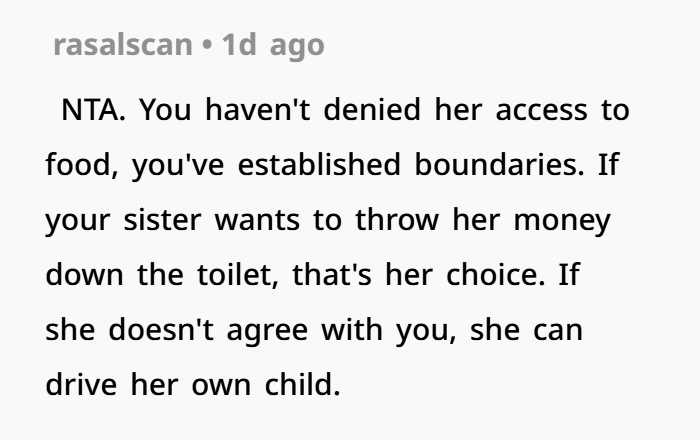
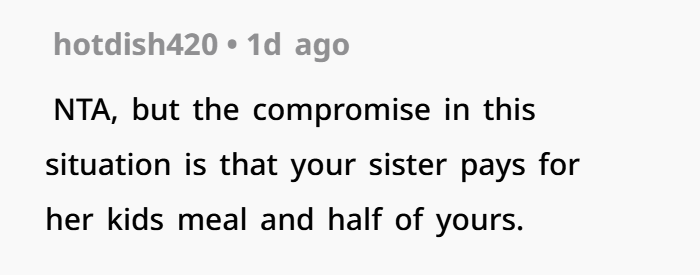
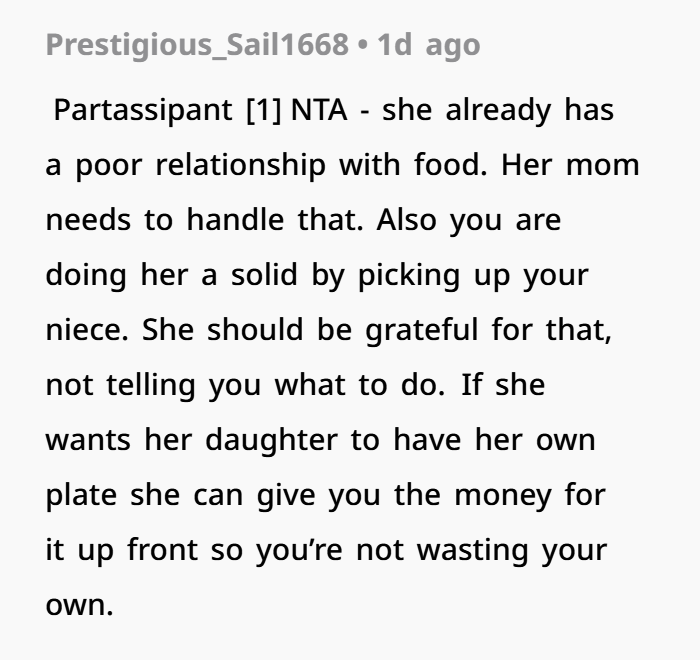
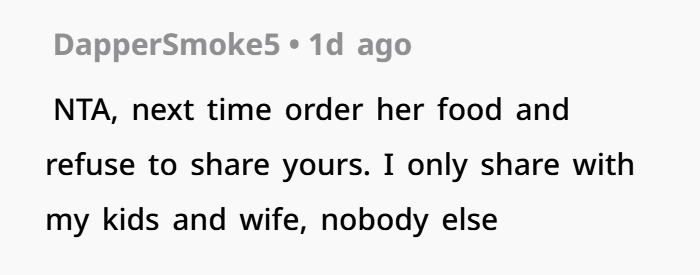
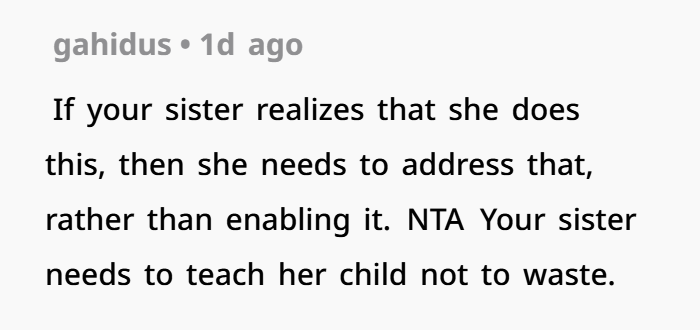
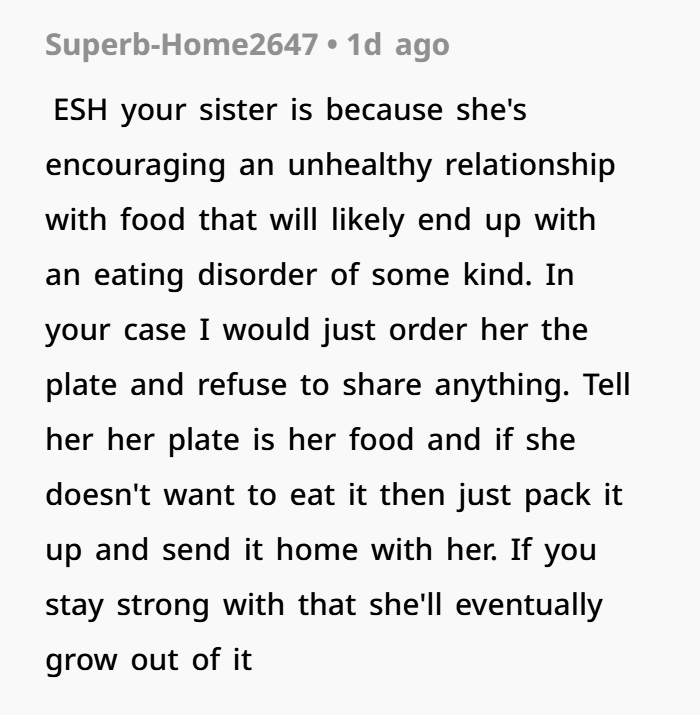
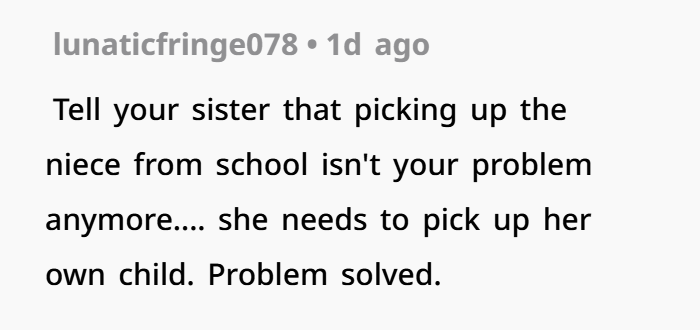
A child’s eating habits can be confusing, but many behaviors are a normal part of growing up.
The real challenge is balancing healthy eating habits, family routines, emotional comfort, and practical concerns like food costs and waste.
Good communication between parents and caregivers can make these situations easier.
When adults work together, children can develop a positive relationship with food while learning important lessons about choices and responsibility.