My Husband Chose His Adult Kids After a False CPS Report — Did I Waste My Life?
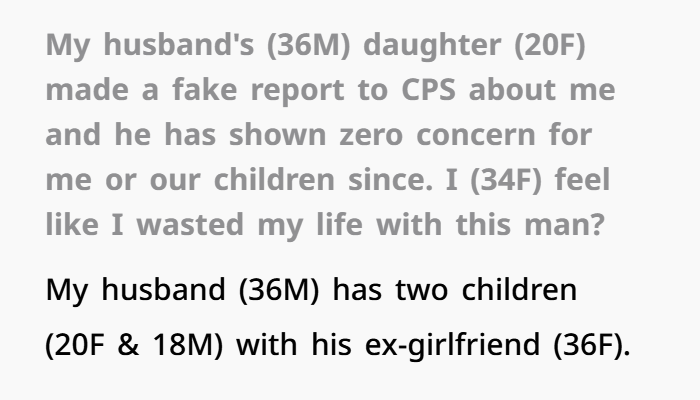
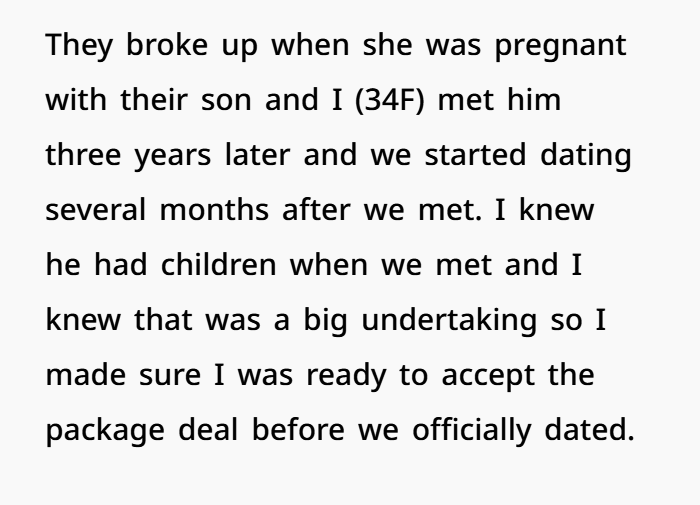
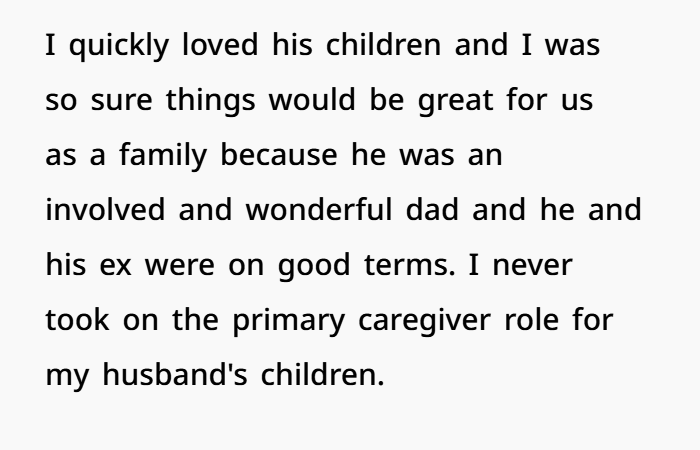
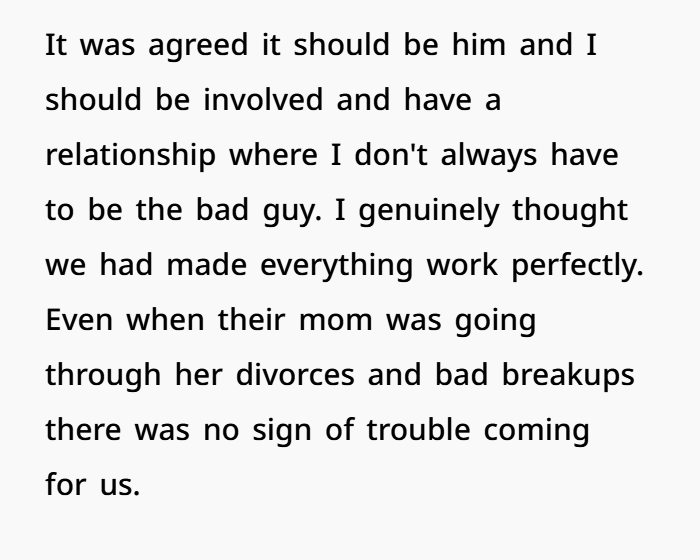
Building a blended family can come with many unexpected challenges. One woman shared how she tried to adjust to her role as a stepmother after marrying her husband. She wanted to create a strong bond with his children and make their family life positive and loving.
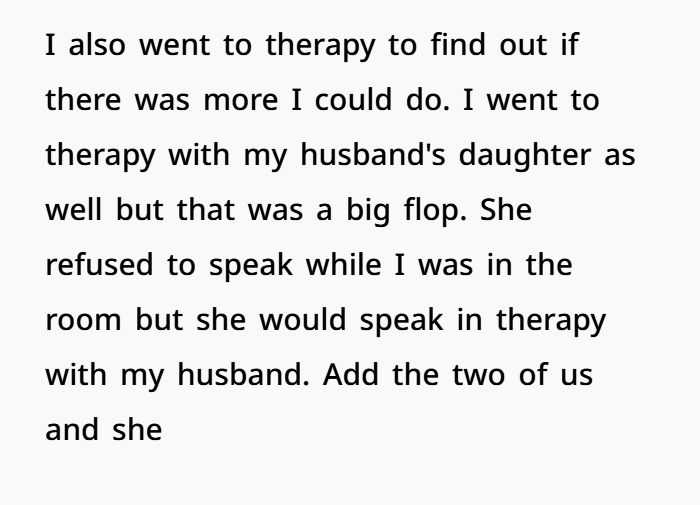
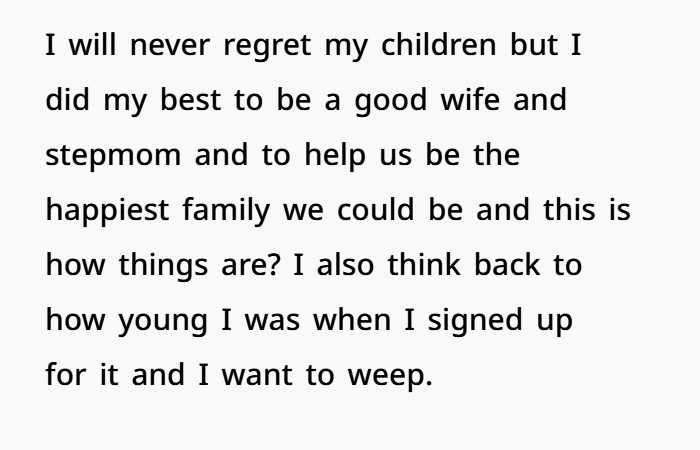
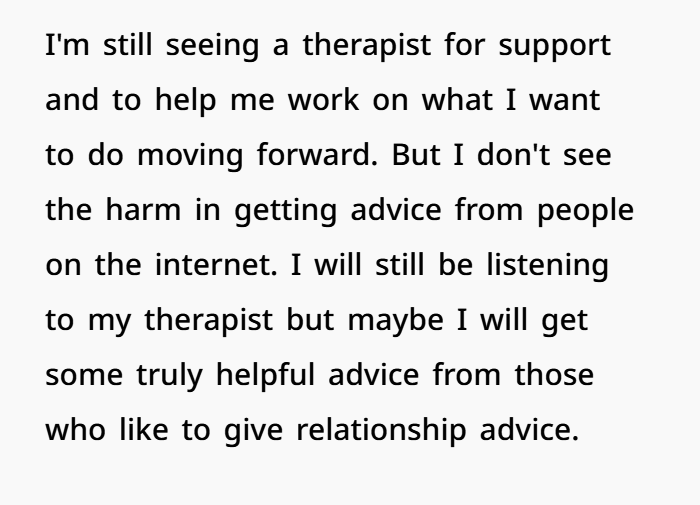
She explains that problems slowly developed over time. There were moments of conflict, misunderstandings, and emotional struggles. Instead of giving up, she tried to find solutions through patience, honest conversations, and professional family support.
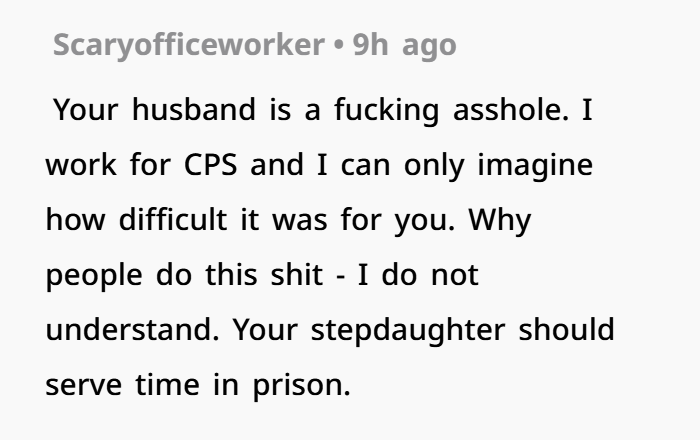
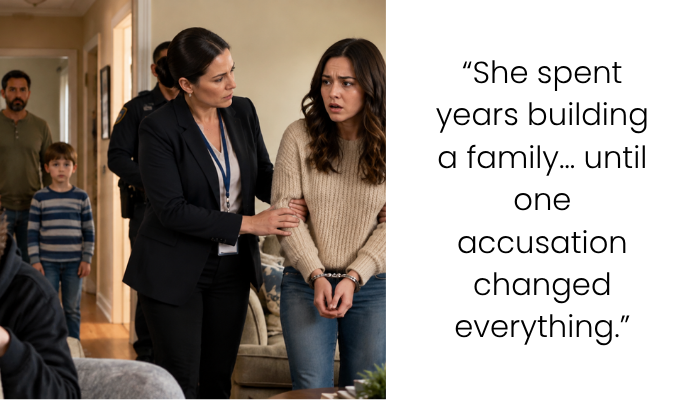
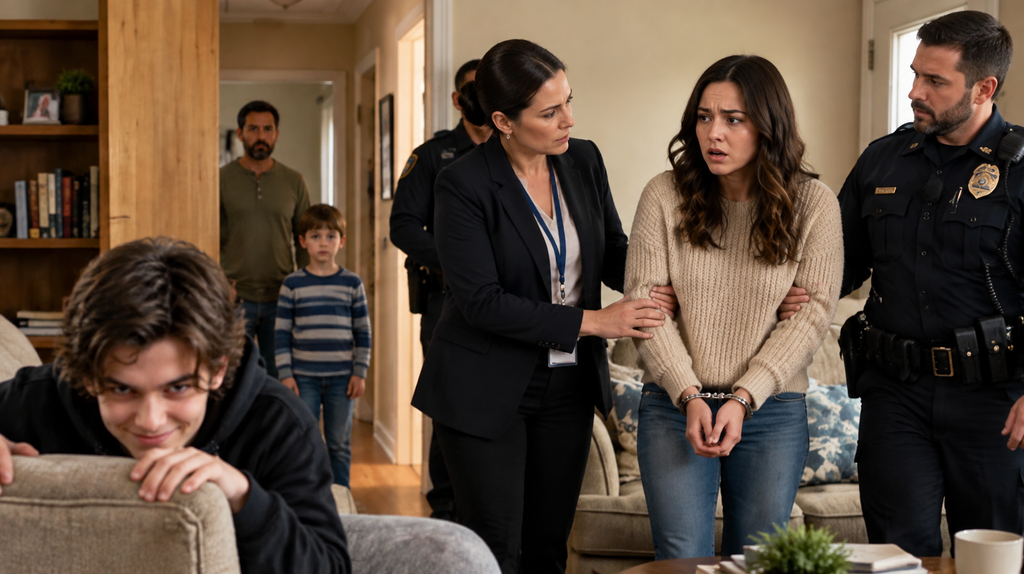
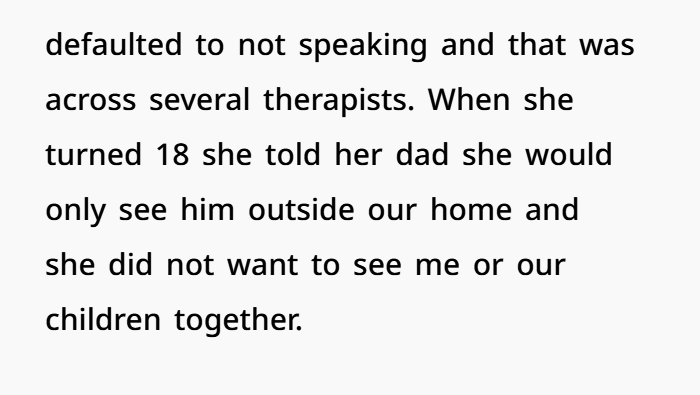
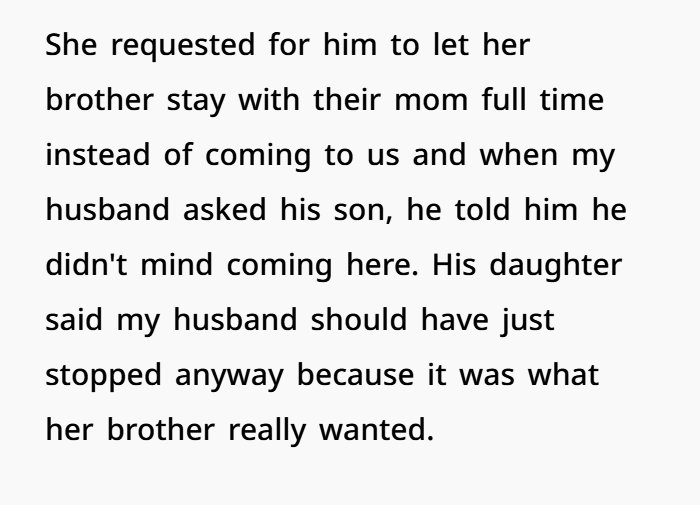
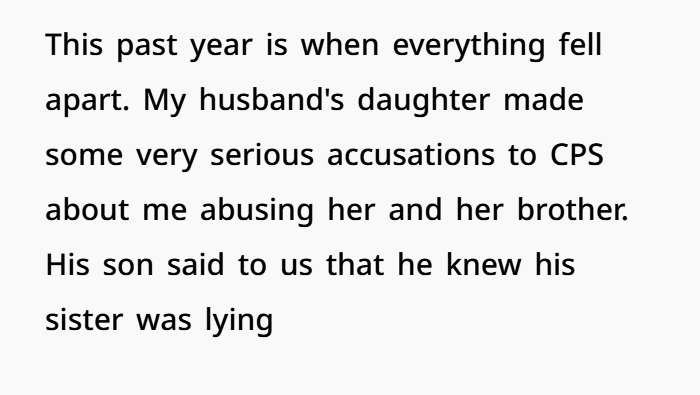
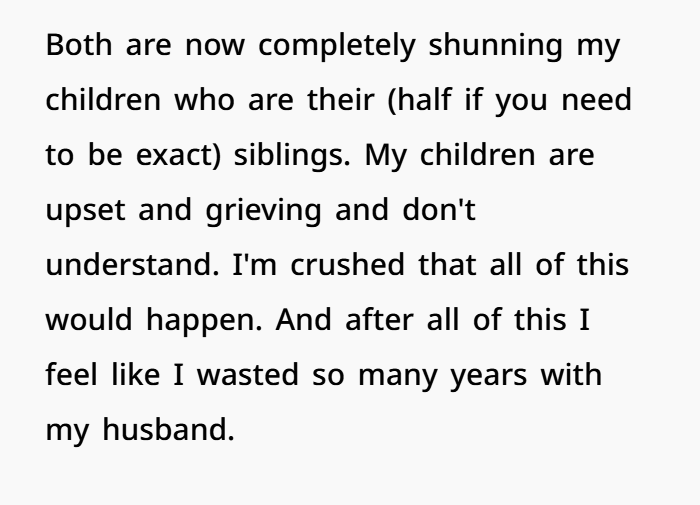
The situation became more complicated when her husband’s adult daughter reportedly shared concerns that led to a CPS investigation. According to the woman, the investigation ended with her being cleared. Still, she says the experience affected her relationships and made her feel that her efforts were not fully appreciated.
Her experience reflects the challenges many blended families may face while trying to balance different relationships and emotions. Strong communication, family counseling, and mutual respect can play an important role in creating healthier family connections.
When Blended Families Struggle: Understanding Loyalty, Step-Parent Challenges, and Healing After Family Conflict
Blended families can bring new love, new relationships, and new opportunities. Many people build happy lives after divorce, separation, or the loss of a previous relationship. However, creating a healthy blended family can also be challenging.
When two families come together, everyone brings their own emotions, memories, and expectations. Children may struggle with change. Parents may feel pressure from different sides. Stepparents may feel like they are trying their best but are not fully accepted.
These challenges do not mean a family cannot succeed. They simply show why communication, patience, and emotional support are so important.
Why Blended Families Can Be Emotionally Difficult
One of the biggest challenges in a blended family is that love does not always create an instant connection.
A stepparent may enter a relationship with good intentions. They may want to support the children, create a peaceful home, and build strong family bonds. But children may not always see it that way.
Sometimes, children connect the new partner with painful changes from the past. They may feel that accepting a stepparent means they are being disloyal to their biological parent.
Family experts often call this a loyalty conflict. This can happen when children feel stuck between loving their biological parent and accepting a new family member.
Even adult children can experience these emotions. Old feelings from divorce, separation, or family changes can continue for many years. They may carry sadness, anger, confusion, or feelings of loss.
The Role of a Stepparent in a New Family
Being a stepparent can be rewarding, but it can also feel lonely at times.
A common misunderstanding is that a stepparent can immediately step into the role of a biological parent. In reality, trust usually takes time.
Many family counselors suggest that stepparents focus on building a relationship first. Small moments of kindness, respect, and consistency often create stronger bonds than trying to force a parent-child connection.
The biological parent also has an important responsibility. They often become the connection between the old family structure and the new one.
A biological parent may need to help children understand the changes, support healthy communication, and create clear family boundaries.
How Family Conflict Can Affect a Marriage
Blended family problems can put a lot of stress on a marriage.
A couple may agree on family rules privately, but problems can appear when emotional situations happen. One partner may feel caught between supporting their spouse and maintaining a relationship with their children.
This situation can create feelings of loneliness and frustration.
Relationship therapists often talk about the importance of marital support and emotional connection. A strong marriage does not mean ignoring children’s feelings. It means both partners recognize each other’s struggles and work together.
A person should not feel like they are facing family challenges alone.
The Emotional Impact of Serious Family Accusations
Family conflicts can become even more painful when serious accusations are involved.
An investigation by child protection services is designed to review concerns about a child’s safety. These investigations can be stressful for everyone involved.
For the person being investigated, the experience may create fear, anxiety, and emotional pressure. Even after the situation is resolved, the emotional effects can continue.
It is important to remember that every situation is different. Child safety concerns should always be taken seriously, and decisions should be based on facts, evidence, and professional findings.
When families face difficult situations like these, getting professional guidance from family counseling services or legal support professionals can help people understand their options and move forward.
When Someone Feels Unsupported by Their Partner
After a major family crisis, the emotional damage may continue even after the immediate problem is over.
Sometimes the deepest pain is not only about what happened. It is about feeling alone during the experience.
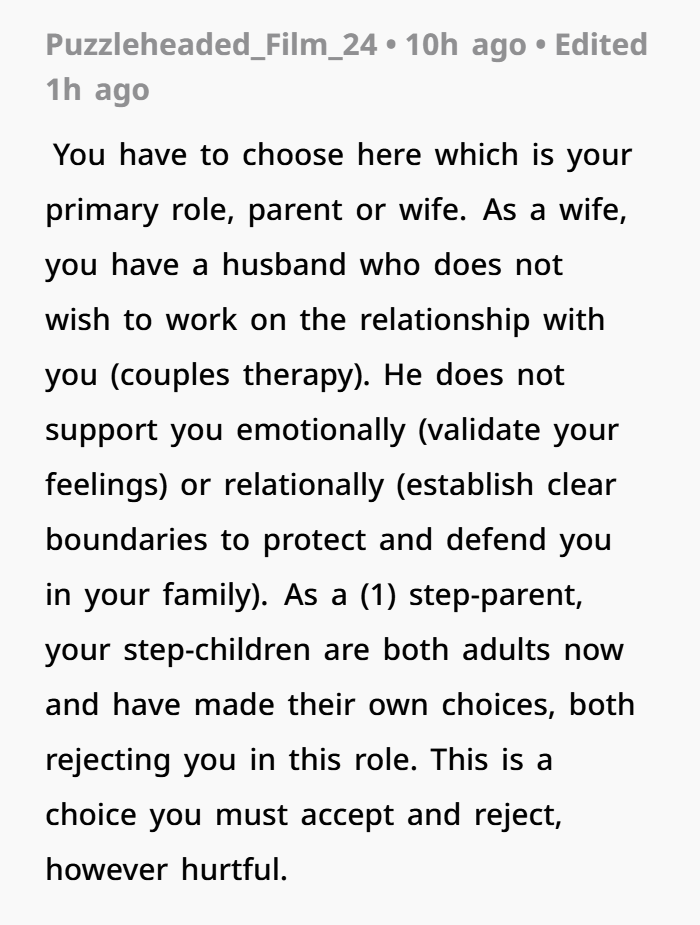
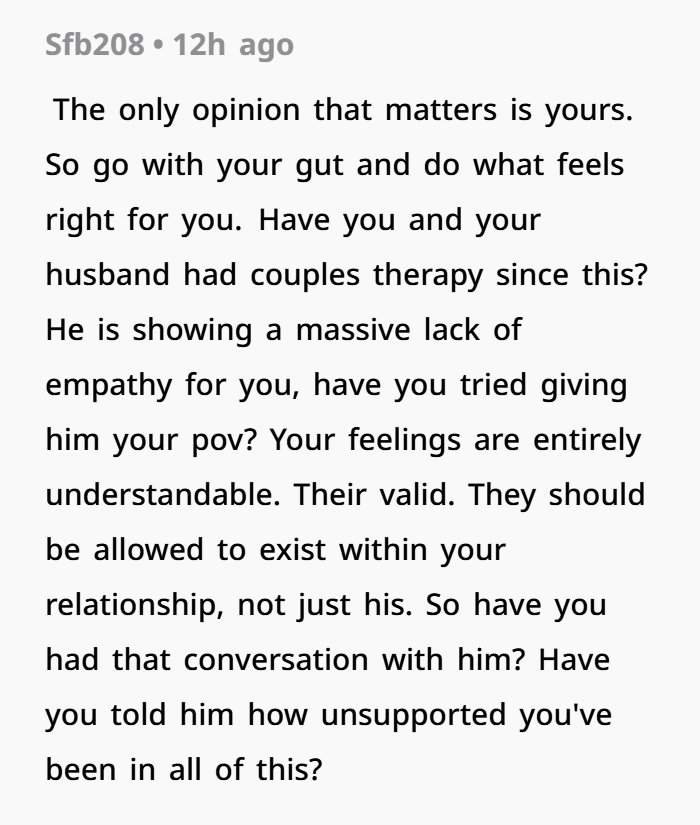
A person may feel hurt if their partner does not ask how they are doing, acknowledge their emotions, or provide support during a difficult time.
This can create a feeling of emotional distance in the relationship.
Emotional neglect does not always happen because someone wants to hurt their partner. Sometimes people become overwhelmed by their own grief, stress, or personal struggles and fail to notice what their partner needs.
Understanding Everyone’s Pain
In complicated family situations, it is common for everyone to experience pain at the same time.
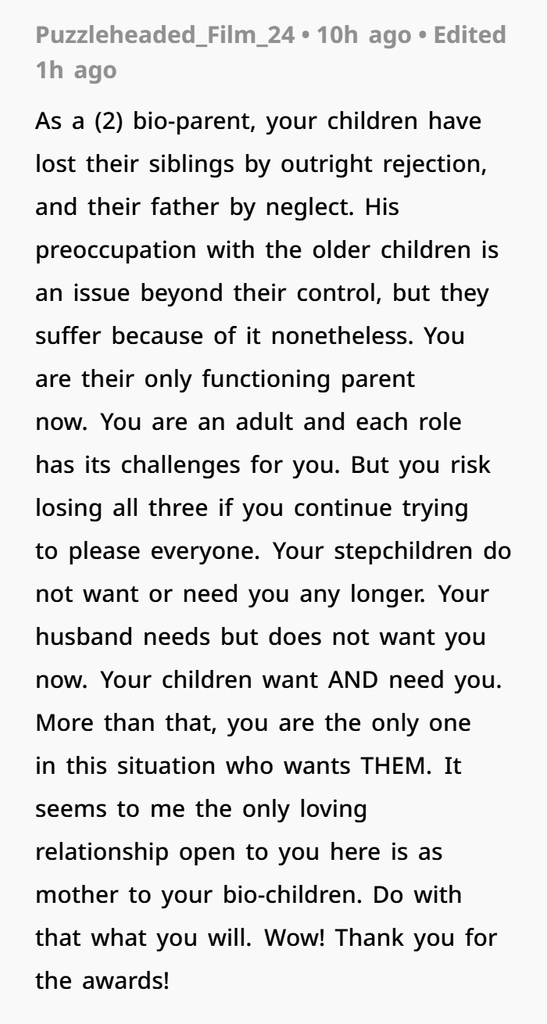
A parent who loses contact with a child may experience deep sadness and heartbreak. A spouse who feels unsupported may experience loneliness and disappointment. Younger children may feel confused by conflict between adults.
Each person’s feelings matter.
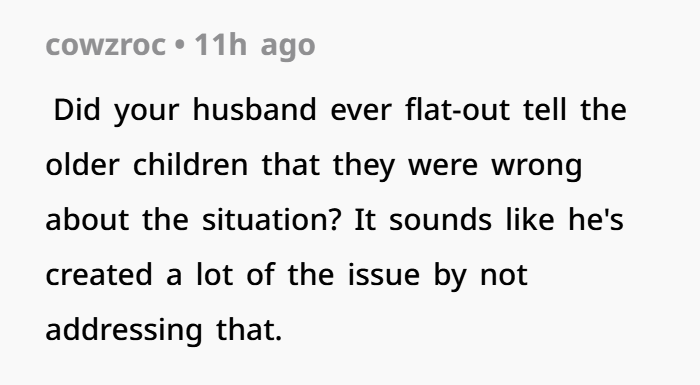
Healthy family recovery usually requires honest conversations where people can share their experiences without competing over who suffered more.
Family therapy and relationship counseling can provide a safe place for people to talk, listen, and rebuild understanding.
Forgiveness and Rebuilding Trust
Many people believe forgiveness means everything immediately goes back to normal. However, forgiveness and rebuilding a relationship are different things.
Forgiveness may help someone release anger and find emotional peace.
Rebuilding trust requires more. It usually requires consistent actions, better communication, and a willingness to understand each other.
A relationship cannot heal if only one person is making an effort.
Both partners need to recognize what happened, discuss their needs, and decide how they want to move forward.
Steps Toward Healing After Family Conflict
For people facing blended family challenges, healing often starts with small steps.
Some helpful steps may include:
- Having honest but respectful conversations
- Setting healthy family boundaries
- Seeking professional family counseling when needed
- Learning better communication skills
- Understanding each person’s emotional needs
- Creating realistic expectations about relationships
Mental health support can also help individuals process stress, grief, and difficult emotions after family conflict.
Final Thoughts
Blended families can experience beautiful moments, but they can also face complicated challenges.
A step-parent may struggle to feel accepted. Children may struggle with changes they did not choose. Parents may feel pulled in different directions.
The key to moving forward is not pretending that problems do not exist. It is creating a space where everyone’s feelings can be heard.
Strong families are not built because they never experience conflict. They are built because people are willing to communicate, learn, and support each other through difficult seasons.
With patience, understanding, and the right emotional support, many families can find a healthier path forward.
Top Comments From Readers