AI-Obsessed Manager Learns the Hard Way Why Human Skills Still Matter
AI technology is changing the way many people work. From writing assistance to business automation, artificial intelligence tools are helping companies improve efficiency and complete tasks faster.
As AI platforms become more common, many employees are learning how to use these tools in their daily work. However, questions remain about when AI should be used and when human involvement is still necessary.
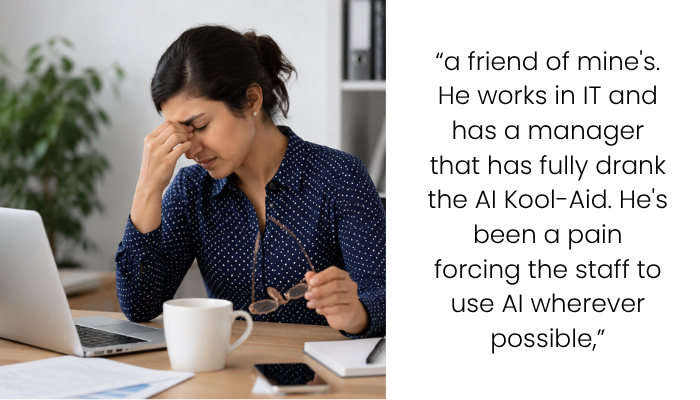
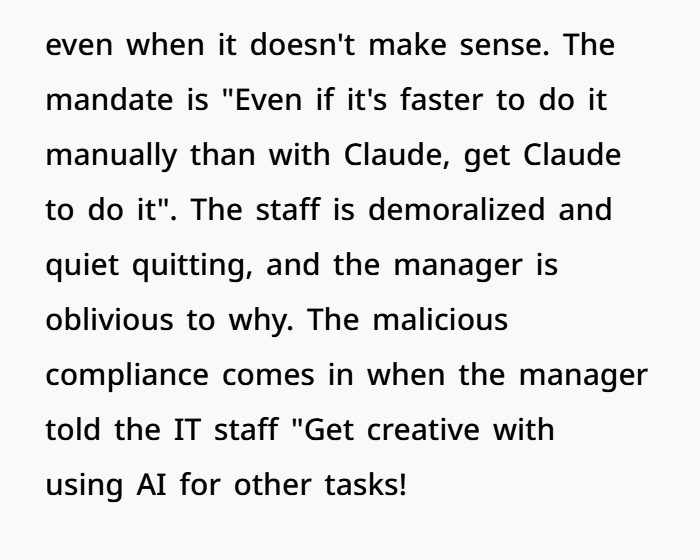
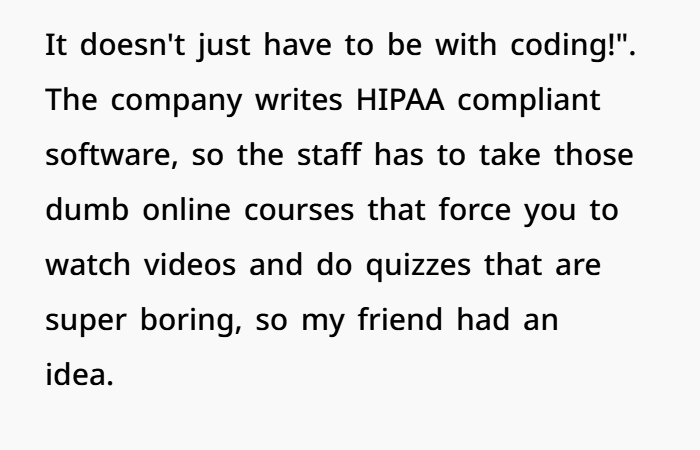
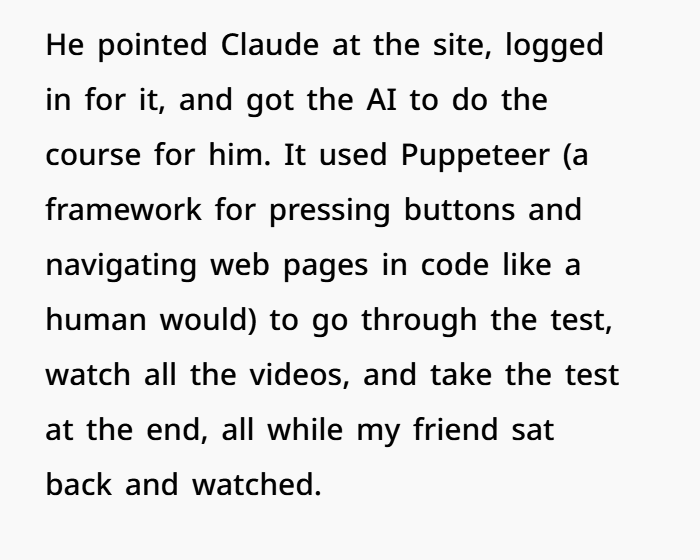
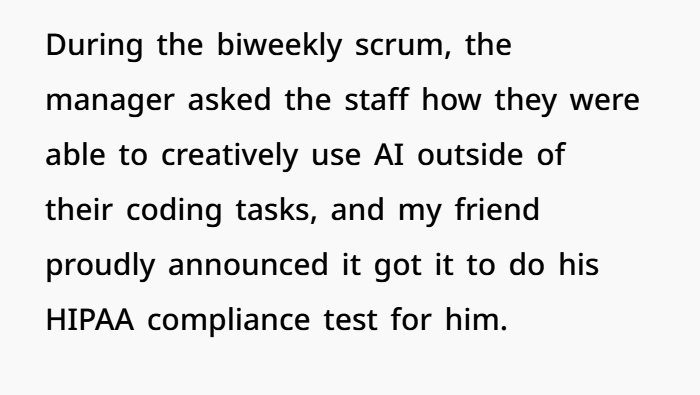
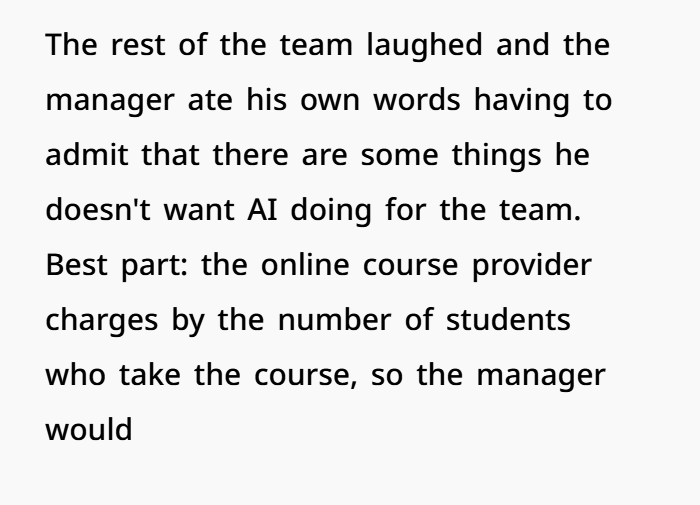
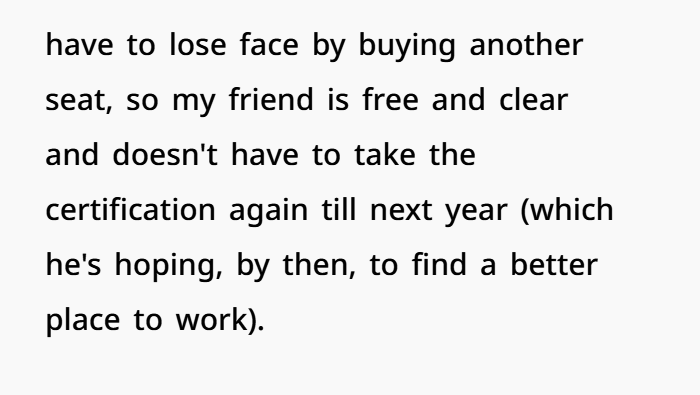
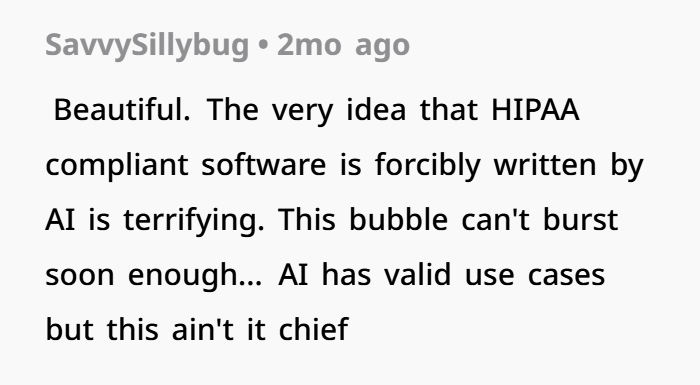
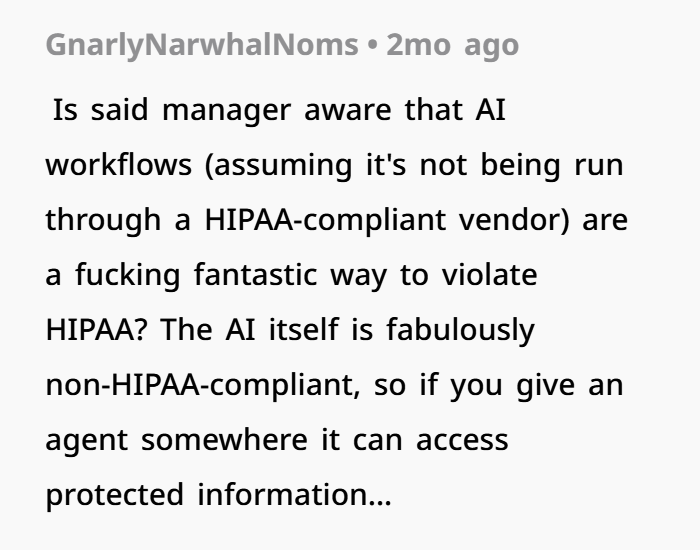
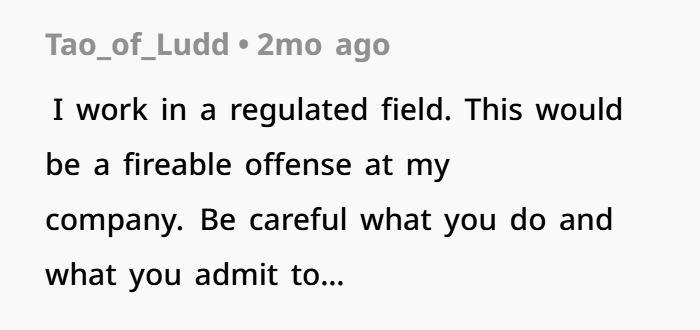
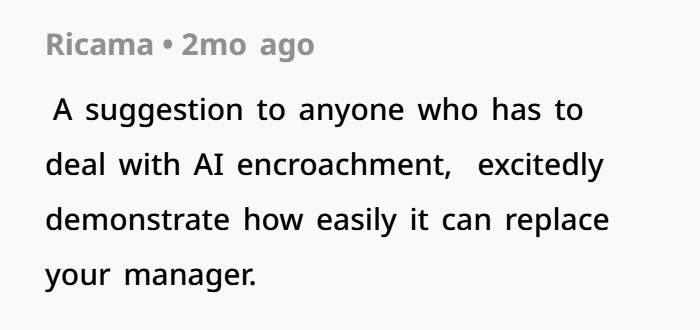
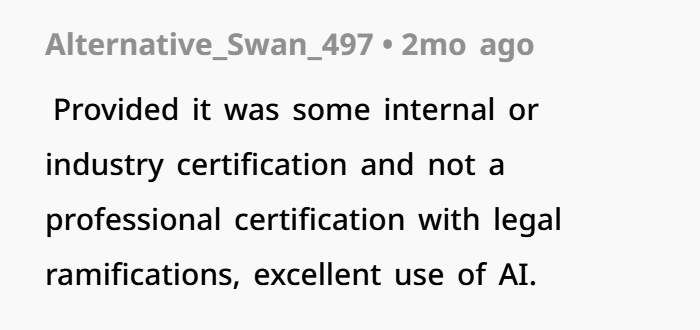
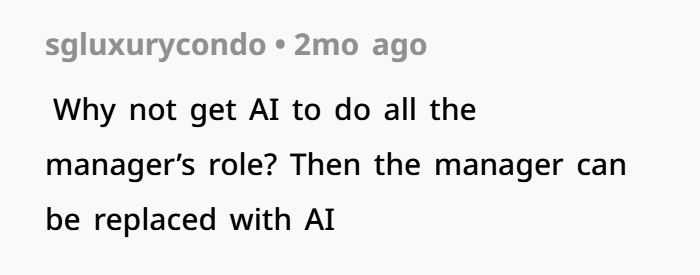
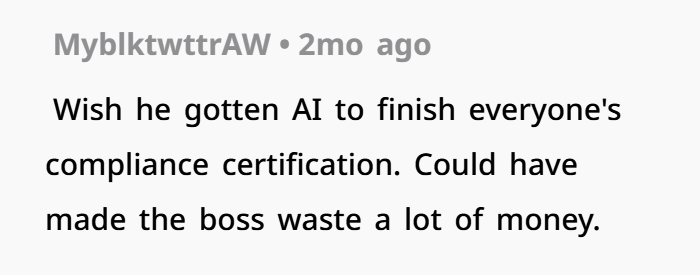
A story shared online described how one manager encouraged employees to use AI for almost everything at work. One employee took the advice seriously and used an AI assistant to complete a mandatory compliance training test.
The experience showed that AI can be a valuable workplace tool, but it also highlighted the importance of human decision-making, professional responsibility, and proper employee training.

AI Is Changing Jobs, But These Careers May Be Safer in the Future
Artificial Intelligence (AI) is changing the way people work. Many companies are using AI tools to complete tasks faster, improve productivity, and make business decisions.
Because of these changes, many workers are wondering what the future of their careers will look like.
Experts believe that AI will have a major impact on the workplace in the coming years. However, this does not mean that every job will disappear. In many cases, AI will change the way people work instead of completely replacing them.
AI Is Reshaping the Workplace
AI technology is already being used in many industries. Companies are using automation tools for tasks like data analysis, customer support, research, and daily business operations.
Some workers are concerned because companies have announced job cuts connected to AI adoption. These changes have created uncertainty for employees who are worried about job security and career growth.
However, experts explain that the future of work is more complicated than simply replacing humans with machines.
Many employees may continue working in their current fields but will need to learn new skills and adapt to new technology.
Human Skills Are Hard for AI to Replace
Jobs that require human connection and emotional understanding may be less affected by automation.
AI can process information quickly, but it cannot fully replace important human skills such as:
- Understanding emotions
- Building trust
- Communicating with others
- Making personal decisions
- Providing care and support
Careers that depend on relationships and human interaction are expected to remain valuable.
Healthcare Jobs May Stay Strong
Healthcare is one of the industries where human workers are still essential.
Doctors, nurses, therapists, and counselors often deal with situations that require experience, communication, and personal judgment.
Every patient is different, and medical decisions are not always simple. Healthcare professionals need to understand people, respond to changing situations, and provide emotional support.
AI can help healthcare workers by organizing information and improving efficiency, but it is unlikely to replace the need for trained professionals.
Education Careers Need Human Connection
Teachers and education professionals are also expected to remain important.
A teacher does more than deliver information. Teachers encourage students, understand learning challenges, and help create positive learning environments.
AI tools may help with lesson planning, research, and administrative work, but human guidance remains a key part of education.
Teachers, instructors, and school administrators will likely continue to play an important role in the future of learning.
Creative Jobs May Be More Resistant to Automation
Creative careers may also have lower risks from automation because they involve original ideas and personal expression.
Jobs such as:
- Writers
- Artists
- Musicians
- Journalists
- Designers
often depend on creativity, storytelling, and unique human experiences.
AI can support creative professionals by helping with ideas or improving workflows, but many people still value the personal touch that comes from human creators.
Personal Service Careers Depend on People
Jobs that involve direct personal interaction are also expected to remain valuable.
Examples include:
- Hairdressers
- Beauty professionals
- Personal trainers
- Coaches
These careers require trust, communication, and an understanding of individual needs.
Many customers prefer receiving advice and support from real people who can provide personalized experiences.
AI Will Change Jobs Instead of Replacing Everyone
Experts say the biggest change from AI will likely be the transformation of jobs.
Many employees may keep similar roles but will need to work differently. They may use AI tools to complete tasks faster, analyze information, or improve their productivity.
This means upskilling and professional development will become increasingly important.
Workers who learn new technology skills may have better opportunities in the changing job market.
Companies Need to Prepare Their Employees
Businesses also need to manage AI adoption carefully.
Successful companies will not only focus on automation. They will also invest in employee training, skill development, and helping workers adjust to new technology.
Replacing too many employees too quickly can create problems, including losing valuable experience and knowledge.
A balanced approach allows companies to combine the power of AI with the creativity and skills of their employees.
How Workers Can Prepare for an AI Future
The growth of AI does not mean workers should stop planning for their careers. Instead, it shows the importance of learning and adapting.
Here are some skills that may become more valuable:
Learn How AI Tools Work
Basic knowledge of AI and digital tools can help workers stay competitive.
Improve Communication Skills
Strong communication, teamwork, and leadership skills are valuable in almost every industry.
Develop Creative Thinking
Problem-solving and creativity are skills that technology cannot easily copy.
Continue Learning New Skills
Online courses, training programs, and professional development can help workers stay prepared.
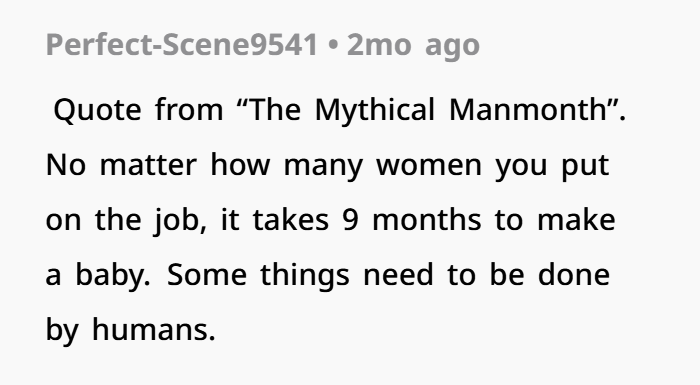
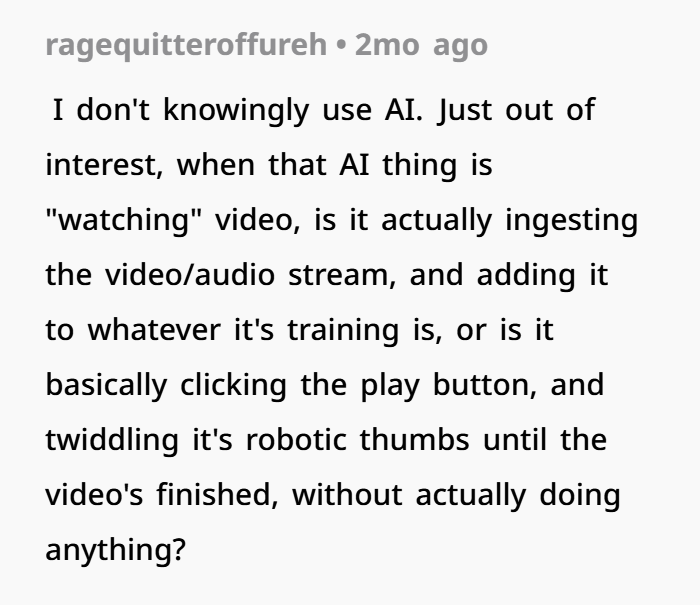
The Comments Are In
Final Thoughts
Artificial Intelligence is changing the workplace, but the future is not only about machines replacing people.
Jobs that require empathy, creativity, problem-solving, and human relationships may continue to have strong demand.
The most successful workers in the future may be those who learn how to work with AI while continuing to use the skills that make humans unique.
Technology will continue to evolve, but human abilities will remain an important part of the modern workplace.