My Wife Cheated Just 10 Days After Our Wedding… And I’m Still Trying to Understand Why
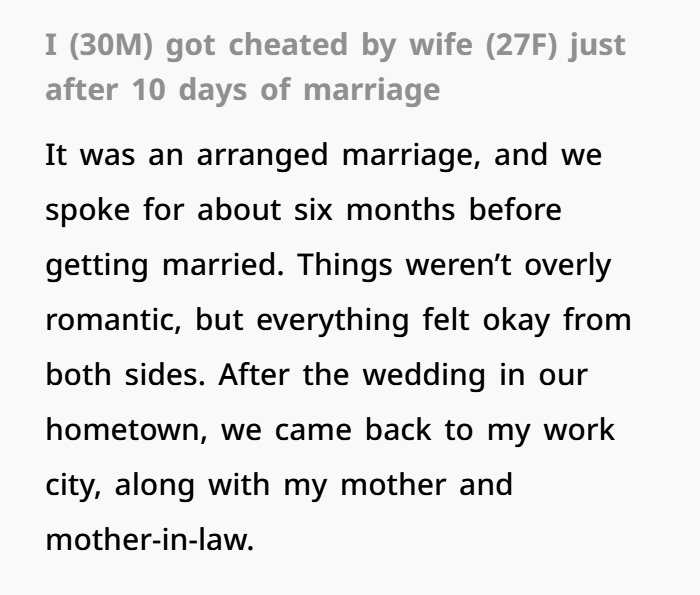
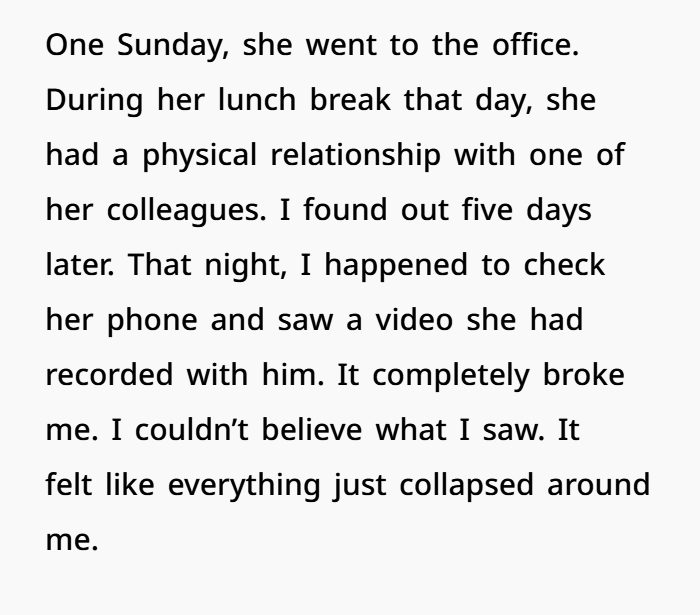
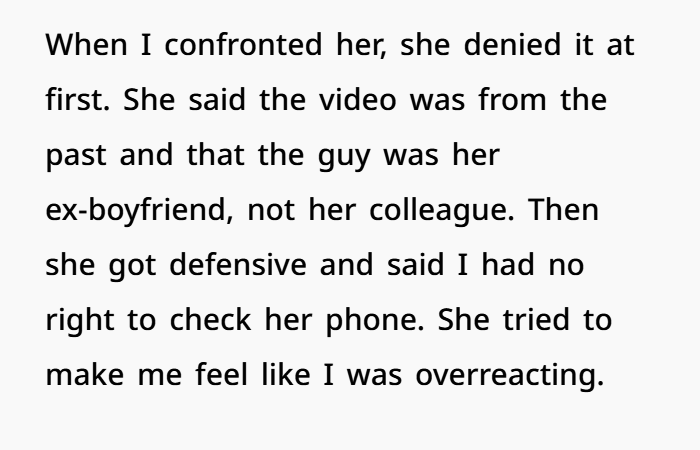
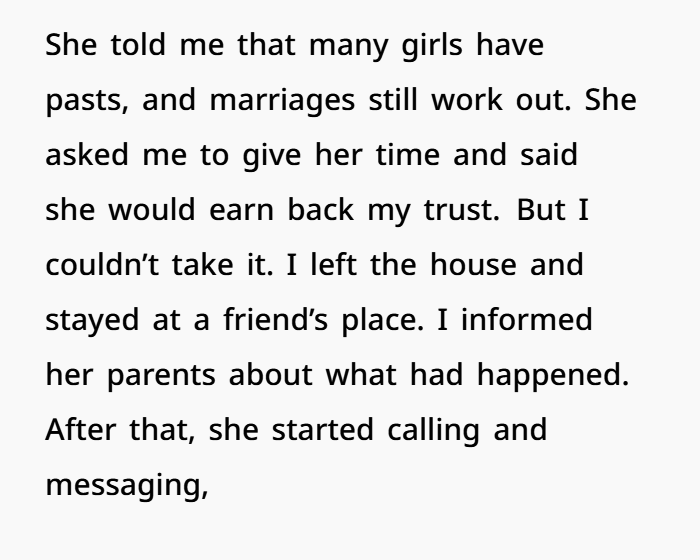
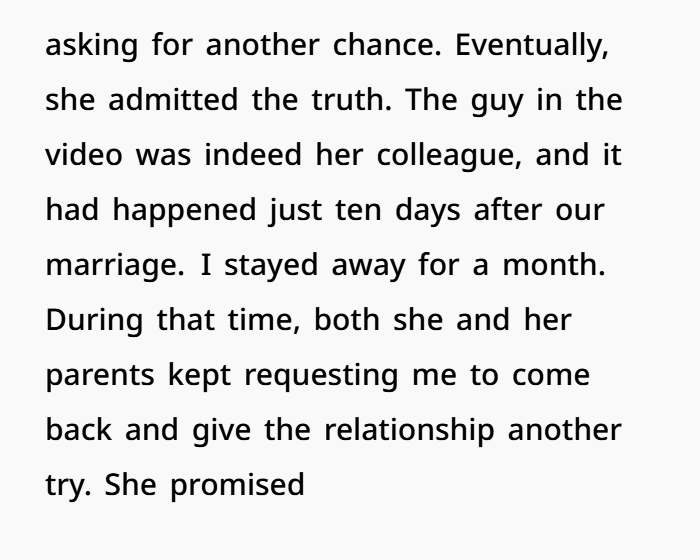
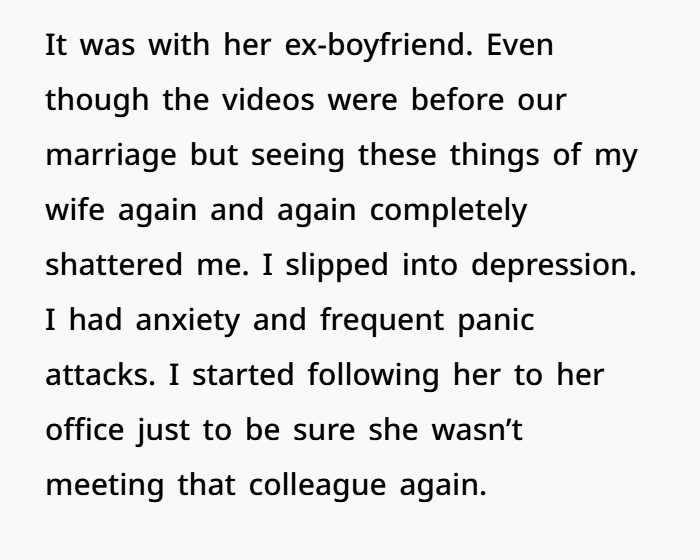
What should’ve been the beginning of a peaceful marriage turned into emotional heartbreak almost immediately. A 30-year-old man entered into an arranged marriage after six months of conversations, meetings, and getting to know the woman who would become his wife. Everything seemed normal enough. There weren’t any huge warning signs, major fights, or obvious relationship problems before the wedding, and both families appeared satisfied with the match. But just ten days after getting married, his wife secretly met up with a coworker during her office lunch break and cheated on him. He later uncovered the truth after checking her phone and finding a video that completely destroyed his sense of trust and security. At first, she denied everything, insisted the clip was old and connected to an ex-boyfriend, and accused him of violating her privacy by looking through her phone. Eventually though, she admitted the affair happened after they were already married. That confession completely changed the situation.
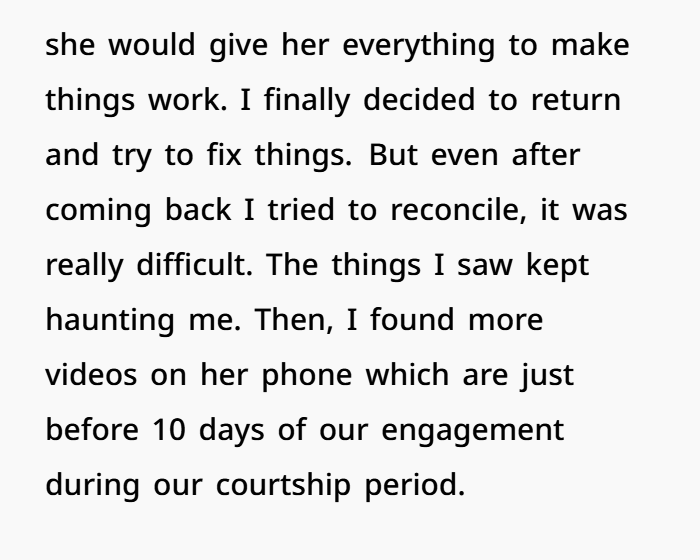
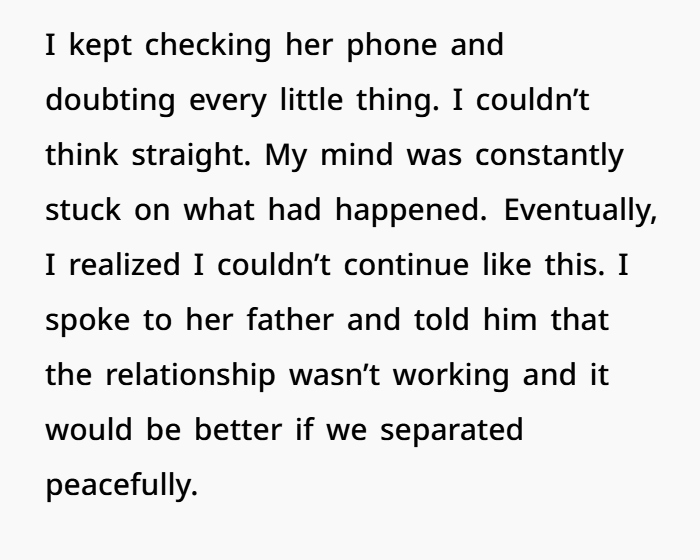
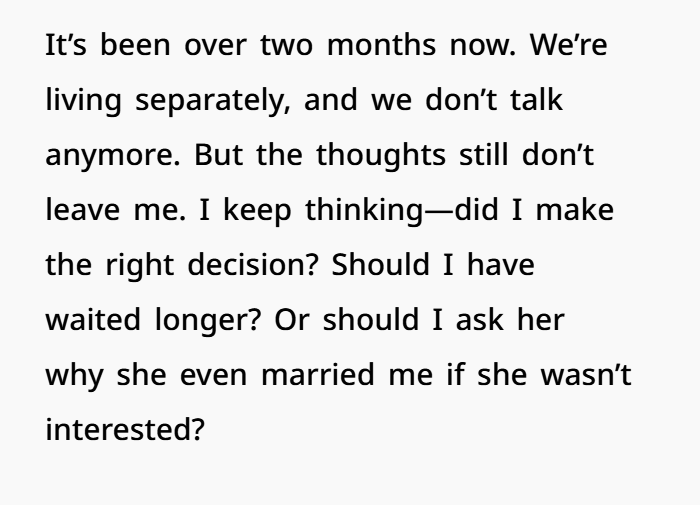
Even after spending a month separated and receiving repeated apologies from her family, he still chose to return and try repairing the relationship. But reconciliation quickly turned emotionally exhausting and mentally unhealthy. More private videos later appeared involving her ex-boyfriend during the time they were still courting before marriage. Even though those moments technically happened before the wedding, the emotional wounds were already too severe. He started dealing with panic attacks, depression, anxiety, trust problems, and obsessive thoughts about the betrayal. He found himself checking her phone constantly, following her movements, replaying everything in his head, and struggling to feel emotionally safe anymore. Eventually, he realized he couldn’t continue living in that mental state. Now separated for over two months, he’s left questioning whether leaving the marriage was the right choice, whether he gave up too soon, and why someone would agree to marry him if they weren’t fully invested emotionally from the beginning.
There’s something especially devastating about betrayal happening right after a wedding.
Not just the cheating itself. The timing matters in a huge way.
When someone cheats only ten days into a marriage, it doesn’t just damage trust and emotional security. It completely destroys the meaning attached to the marriage itself. The honeymoon phase hadn’t even properly begun. Family members were probably still sending congratulations, sharing wedding photos, and celebrating the newly married couple. And in the middle of all that, she crossed a relationship boundary most people would consider impossible to come back from.
That’s the part many people won’t fully understand unless they’ve personally experienced betrayal trauma or emotional infidelity themselves.
Because honestly, what this man is describing no longer sounds like ordinary heartbreak. It sounds like emotional shock and psychological trauma.
The panic attacks, obsessive thoughts, constantly checking her phone, following her to work, replaying painful memories in his mind over and over — those are actually extremely common symptoms after discovering infidelity. Relationship therapists sometimes compare betrayal trauma to PTSD because the brain struggles to process how someone who once felt emotionally safe suddenly became the source of severe emotional pain.
And honestly, discovering the videos probably intensified everything dramatically.
Finding suspicious messages hurts. Emotional cheating hurts. But visual proof often creates an entirely different level of mental damage because the brain keeps replaying those images like a looped movie. That’s why many people who experience cheating describe intrusive thoughts they can’t shut off, even months or years later. Their mind keeps reopening the betrayal scene repeatedly.
The fact she lied initially also matters far more than some people realize.
A lot of marriages and relationships survive infidelity eventually. But very few survive cheating combined with deception, gaslighting, and blame-shifting all at once. First she denied the affair. Then she changed the story. Then she focused on him checking her phone instead of addressing the betrayal itself. That kind of emotional manipulation can make the betrayed partner start doubting their own reality and judgment.
And once trust collapses that early into a marriage, rebuilding emotional intimacy becomes incredibly difficult.
Especially in arranged marriages where emotional closeness is often still developing after the wedding.
That’s another huge detail in this story. In many love marriages, couples already have years of emotional bonding, shared experiences, and deep trust before marriage happens. But arranged marriages often rely heavily on patience, gradual emotional connection, communication, and trust-building after the wedding. So when infidelity happens almost immediately, there’s barely any emotional foundation strong enough to survive that kind of damage.
It’s like trying to repair a house whose walls were never fully built.
The second discovery — the older intimate videos involving her ex-boyfriend — made the emotional situation even more complicated. Technically, those clips were recorded before the marriage happened. And honestly, many people would correctly argue that adults are allowed to have romantic histories and past relationships before getting married.
But context completely changes how something like this gets emotionally processed.
He didn’t find those videos while feeling emotionally secure inside a healthy, trusting relationship. He found them after already experiencing the shock and trauma of infidelity. By that point, his mind wasn’t processing the situation logically anymore. Those older videos stopped feeling like “the past” and instead became emotionally connected to the betrayal, dishonesty, and trust issues already overwhelming him mentally.
That’s why betrayal trauma can spiral so badly sometimes.
Once trust completely collapses, the brain starts linking unrelated emotional pain together. Things that might’ve felt manageable in a stable relationship suddenly become triggers for anxiety, insecurity, obsessive thoughts, and emotional panic. So even though the older videos technically predated the marriage, his brain likely experienced them as more proof that the emotional connection and honesty he thought existed may never have been fully real.
That’s why he spiraled harder afterward.
People often underestimate how deeply infidelity affects self-worth too. After betrayal, the mind starts asking horrible questions nonstop:
- Was I not enough?
- Did she ever love me?
- Was the marriage fake?
- Was I just convenient?
- Why marry me at all?
Those kinds of questions can become completely obsessive after betrayal because the brain desperately wants emotional closure and some kind of explanation that finally makes the pain feel understandable.
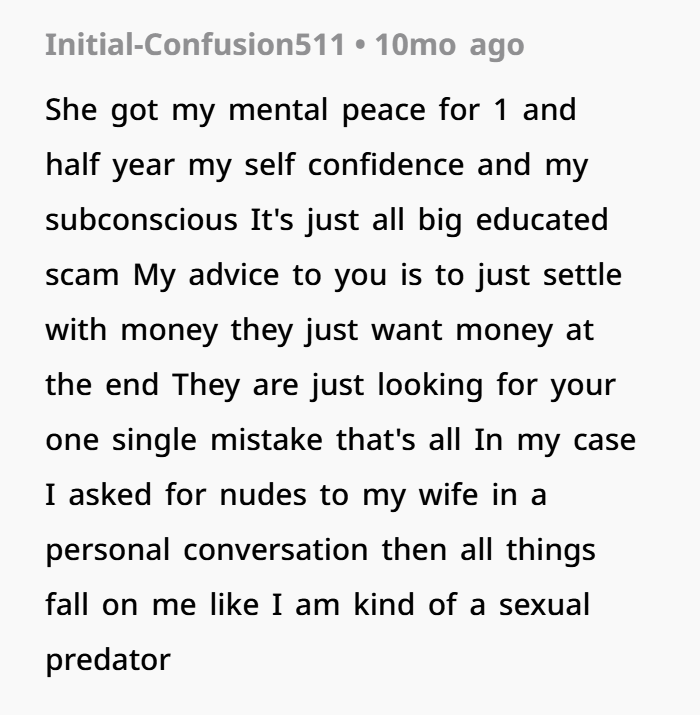
But honestly, one of the hardest truths about infidelity recovery is that closure rarely comes from the person who caused the betrayal.
Even if she answered every question perfectly, explained every detail, and apologized endlessly, it probably still wouldn’t fully heal the emotional damage. Because cheating trauma isn’t only about missing information. It’s about losing emotional safety, trust, and stability. Once someone breaks that sense of security, your brain starts doubting not only them, but also your own judgment and ability to trust people at all.
That’s why he became hyperfocused on monitoring her movements, checking her phone, and looking for reassurance everywhere.
A lot of betrayed spouses eventually become versions of themselves they barely recognize afterward. Suspicious. Hypervigilant. Emotionally overwhelmed. Constantly anxious. Not because they were naturally controlling people before, but because betrayal trauma pushes the brain into survival mode where it starts scanning constantly for danger and dishonesty.
And honestly, trying to stay in the marriage at that stage probably made his mental health decline even faster.
That’s not an attack on reconciliation. Some couples genuinely rebuild after infidelity. But reconciliation only works under certain conditions:
- complete honesty
- accountability
- transparency
- emotional empathy
- patience
- long-term trust rebuilding
- no defensiveness
Without those things, the betrayed partner slowly destroys themselves trying to “move on” while emotionally bleeding underneath.
The reaction from her father also says a lot.
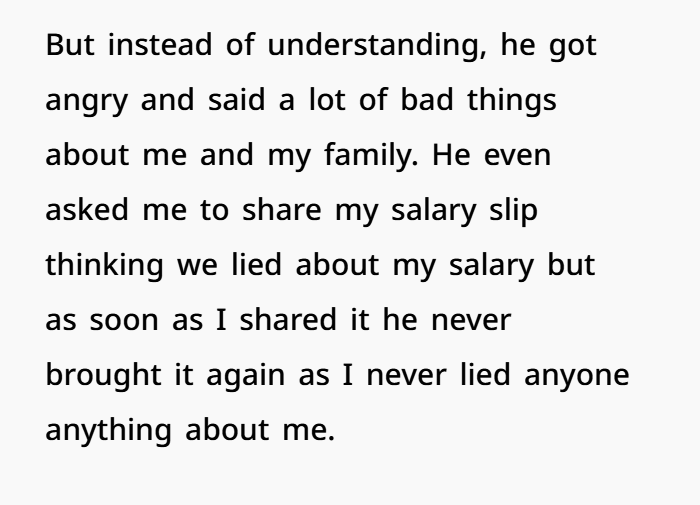
Instead of the conversation staying focused on the wife’s actions and the betrayal itself, things somehow shifted toward salary comparisons, accusations, blame, and attacks against his family. That kind of reaction happens a lot in families where protecting reputation and social image becomes more important than taking accountability for emotional damage. Rather than fully acknowledging what happened, people start trying to control the narrative and redirect attention somewhere else.
But none of those distractions actually change the reality of the situation.
A man entered into marriage honestly, emotionally invested in building a future, and ended up completely shattered less than two weeks later.
And honestly, one of his biggest mistakes may have been trying to push himself into forgiveness and healing far too quickly.
A single month is nowhere near enough time to process betrayal trauma that intense. A lot of people think returning quickly after cheating means they’re emotionally strong, mature, or committed to saving the relationship. But emotional trauma doesn’t disappear just because logic says it should. The brain and nervous system need time to process shock, grief, trust collapse, and emotional pain properly.
His body is literally showing signs of unresolved trauma now:
- panic attacks
- obsessive thoughts
- anxiety
- depression
- emotional instability
Those aren’t small things.
And right now, the most important question probably isn’t whether he made the right decision leaving her.
It’s whether he’s giving himself permission to heal.
Because based on everything described here, this marriage stopped feeling emotionally safe a long time ago.
A lot of people stay trapped in painful relationships like this because they start believing ending the marriage means they somehow “failed.” That pressure becomes even heavier in cultures where arranged marriage, family expectations, and social reputation carry massive emotional weight. But surviving betrayal trauma doesn’t mean someone has to sacrifice their mental health, emotional stability, and peace forever just to protect appearances.
And honestly? Wanting peace after emotional devastation does not make someone weak.
It makes them human.
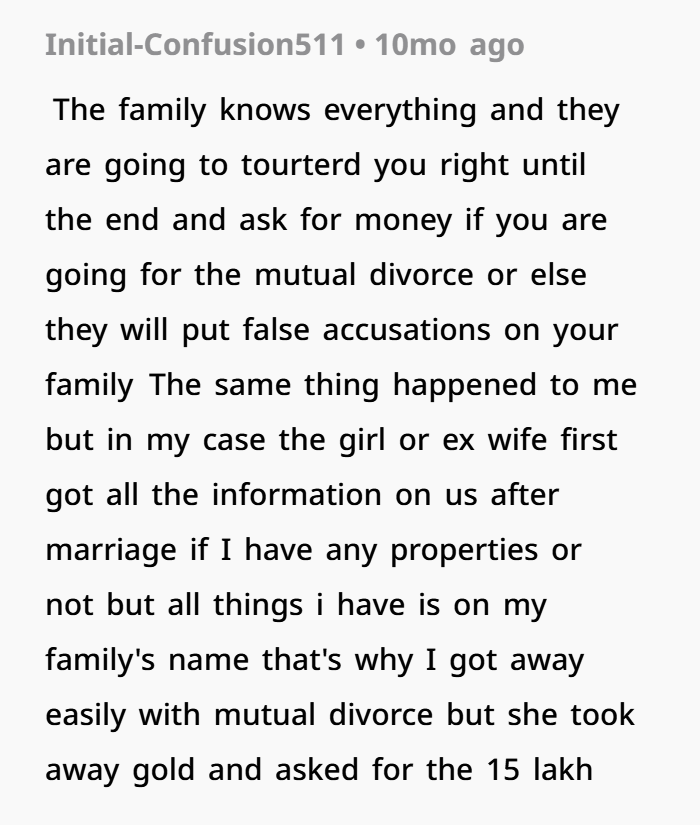
The hardest part moving forward will probably be accepting that he may never fully understand why she chose to marry him if she still emotionally wanted someone else. But human behavior and relationship decisions are not always logical or emotionally healthy. Some people marry because of family pressure and cultural expectations. Some convince themselves marriage will magically erase old emotional attachments or past relationships. Some panic and make rushed decisions. And some people make deeply selfish choices without truly thinking about the emotional consequences until the damage is already done.
None of those explanations excuse what happened.
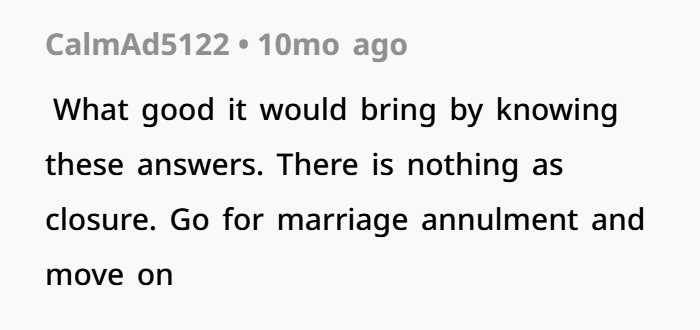
But searching endlessly for “why” can trap someone emotionally for years.
At some point, healing begins when the focus changes from:
“Why did she do this to me?”
to:
“How do I rebuild myself after this?”
And honestly, that’s probably the real battle starting now.
The Reactions Are In