I Helped My Mom After a $100K Scam, But She Lied Again — Was I Wrong to Walk Away?
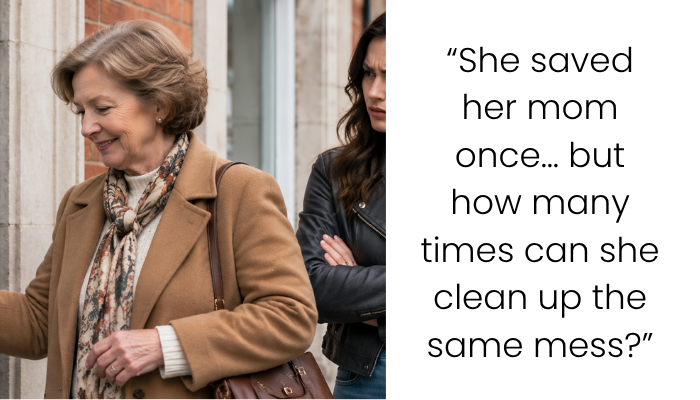
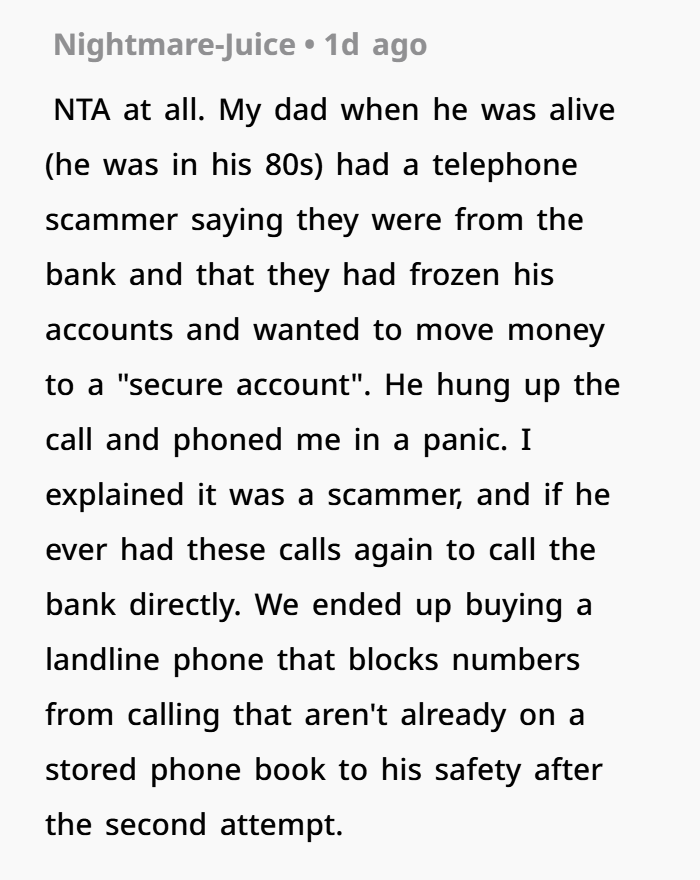
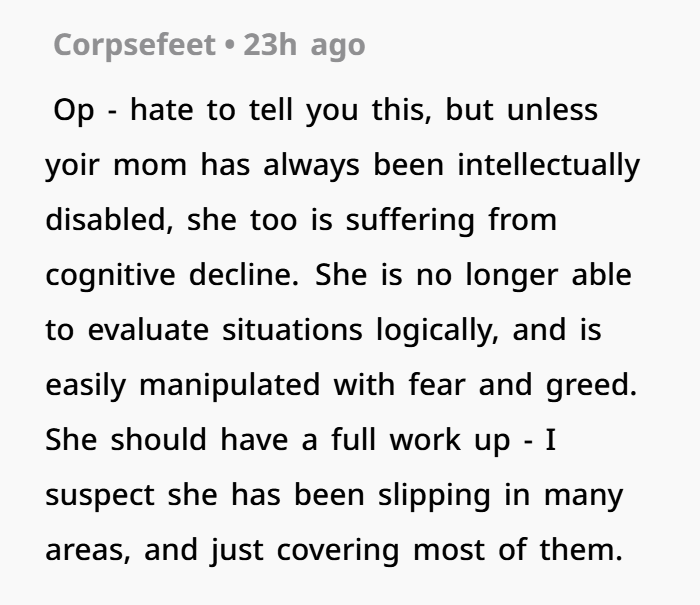
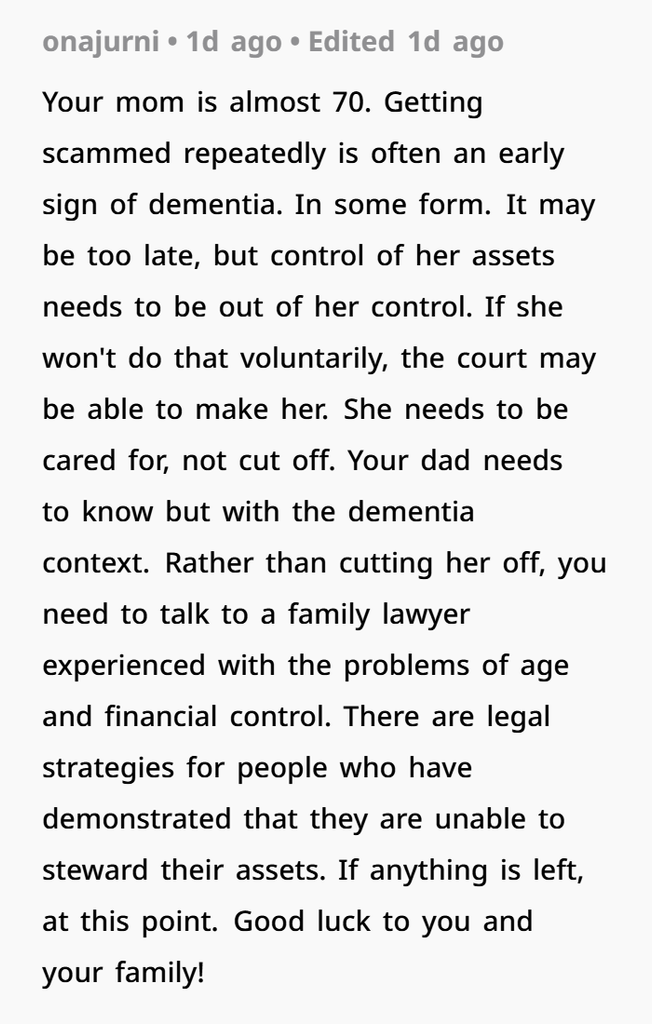
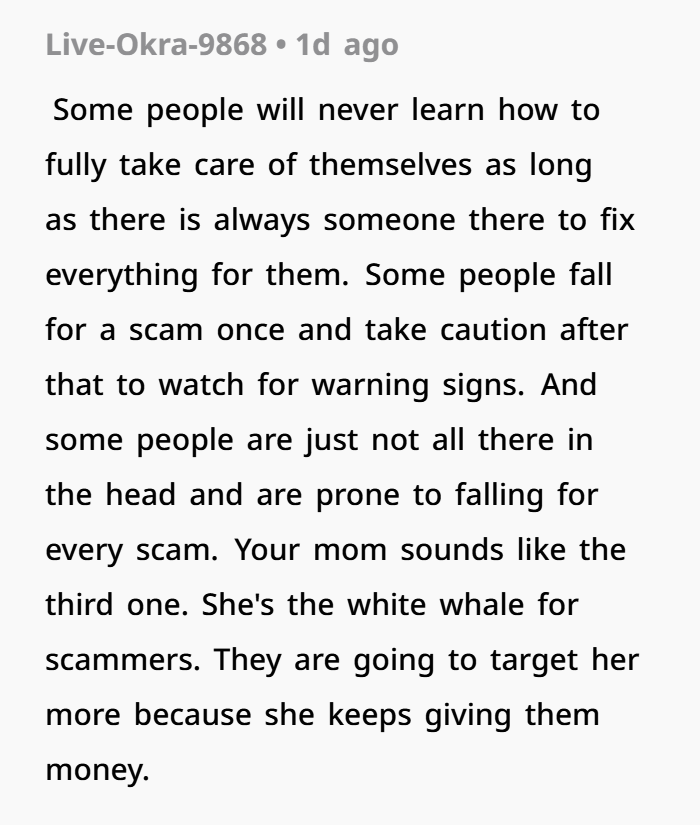
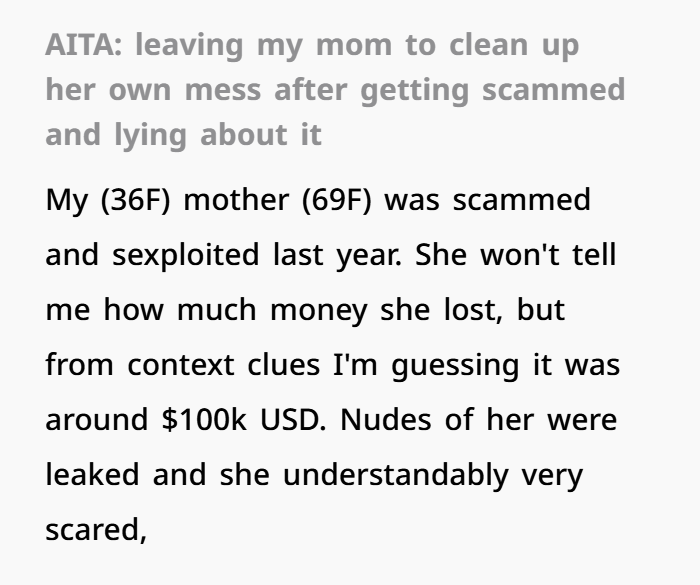
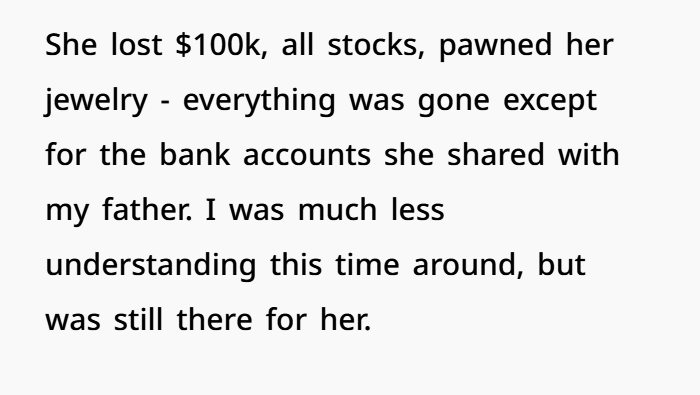
A woman shared her experience of trying to help her elderly mother after a serious online scam. She explains that her 69-year-old mother lost a significant amount of money after trusting someone she met online. The situation caused emotional pain, fear, and financial stress for the family.
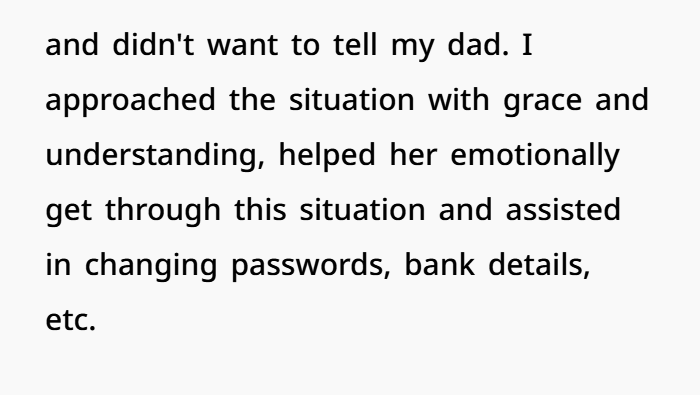
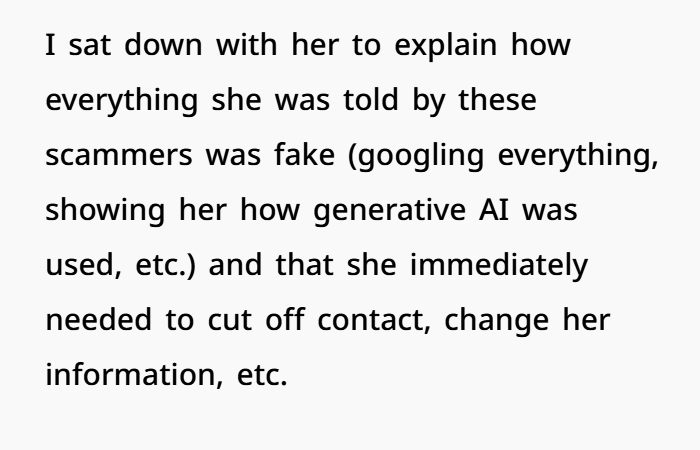
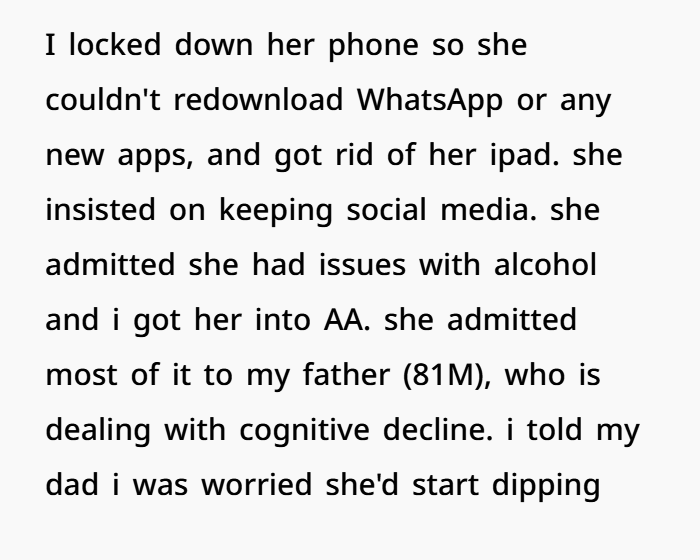
The daughter says she was there during the first difficult period. She helped secure bank accounts, improve online safety, and guide her mother through the recovery process. She wanted to protect her mother and help her avoid similar problems in the future.
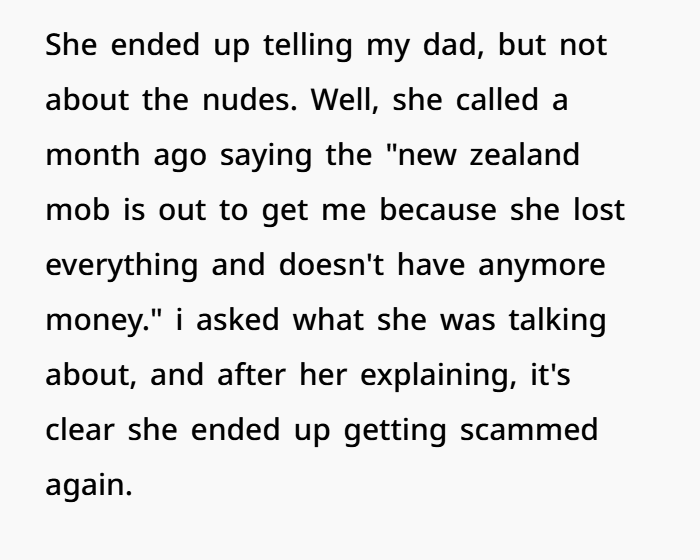
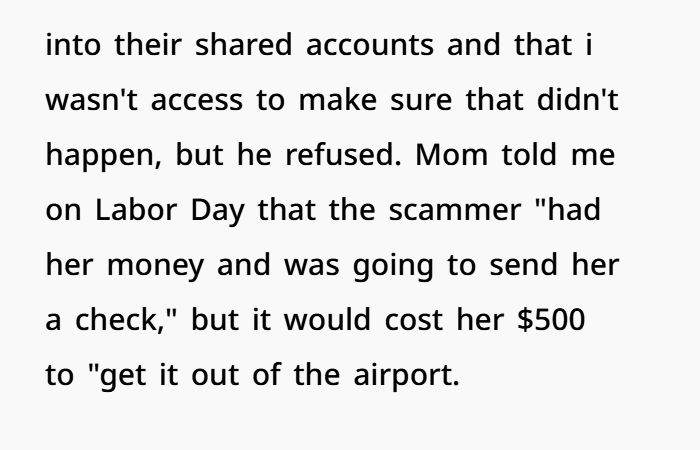
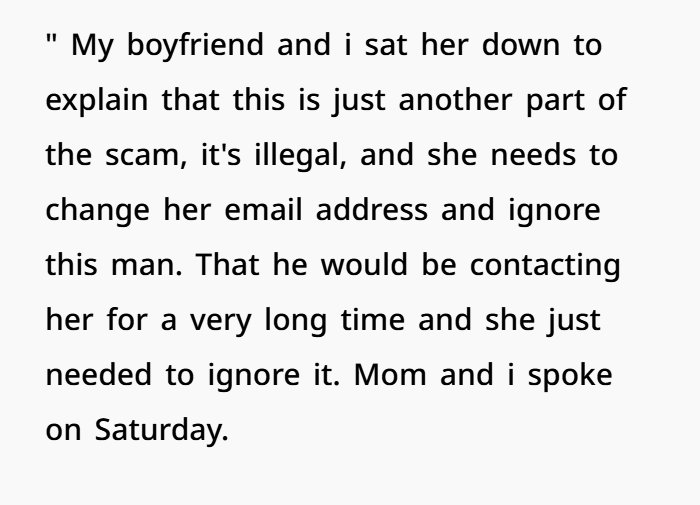
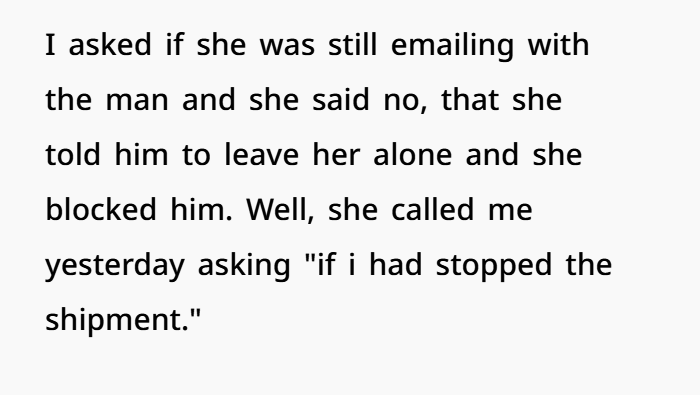
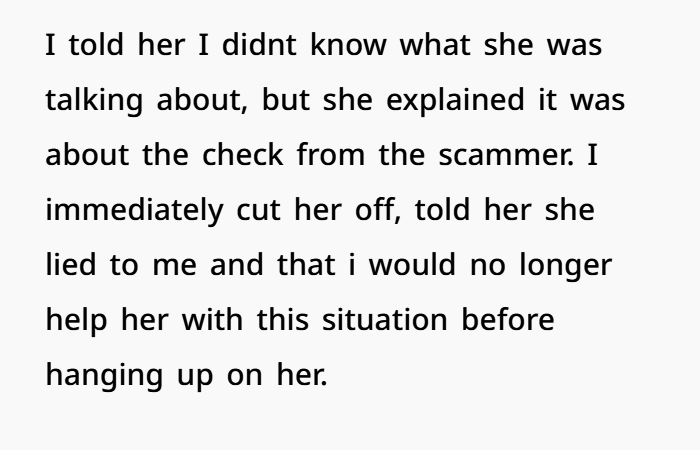
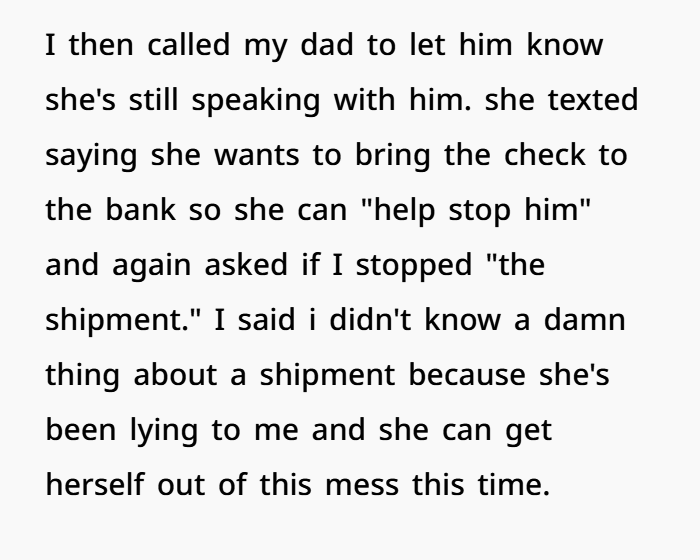
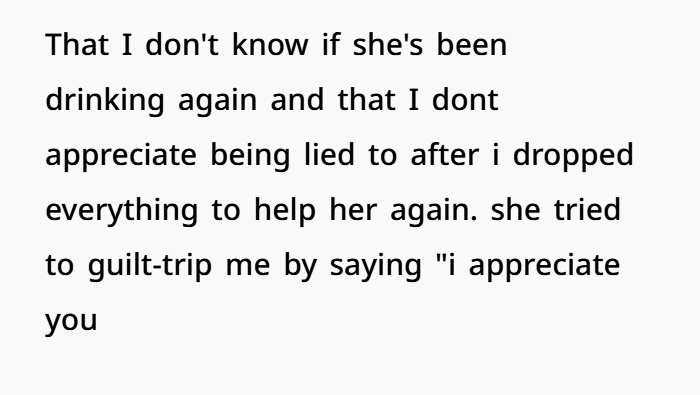
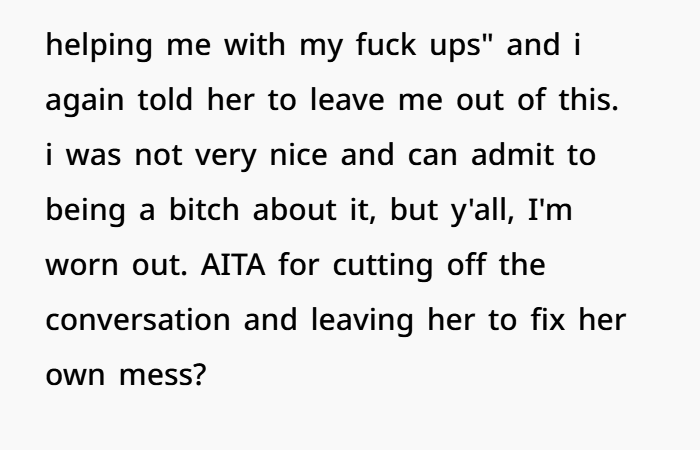
However, she says another scam happened later, and her mother continued communicating with the scammers despite warnings. The daughter tried different ways to help, including explaining online fraud methods, discussing internet safety, and encouraging healthier choices.
Over time, the daughter felt overwhelmed and realized she needed to create boundaries. This story highlights the importance of online safety, financial awareness, family support, and understanding the limits of helping someone you love.

Elder Scams and Family Stress: Helping Aging Parents While Setting Healthy Boundaries
Financial scams targeting older adults have become a serious concern for many families. These situations are not only about losing money. They can also involve trust, emotions, embarrassment, and stress for everyone involved.
When an older parent becomes a victim of a scam, family members often feel responsible for protecting them. They may spend hours trying to fix the problem, provide support, and prevent future harm.
But helping a loved one through a scam situation can become emotionally exhausting, especially when the person continues making risky choices.
Why Elder Scams Are So Difficult to Handle
Many people think scams are easy to recognize. However, scammers often use smart emotional tricks to gain trust.
They may pretend to be:
- A romantic partner
- A financial expert
- A government worker
- A friend in need
- Someone offering an investment opportunity
These scams often work because the scammer creates an emotional connection before asking for money.
Older adults are not the only people who can become victims. Anyone can be targeted. However, some seniors may face extra risks because they may experience loneliness, trust certain people easily, or feel uncomfortable asking family members for help.
Why Some Scam Victims Hide the Truth
One of the hardest parts of elder scams is that victims may not always admit what happened.
Many older adults feel embarrassed or ashamed after losing money. They may worry that their family will think they cannot manage their own decisions anymore.
Because of these feelings, some people hide information or continue communicating with scammers.
This can make the situation more difficult because family members cannot provide proper help if they do not know the full story.
Common Types of Financial Scams
Scammers use many different methods to target people.
Some common examples include:
Romance Scams
A scammer creates a fake relationship and builds emotional trust before asking for money.
Investment Scams
A scammer promises high returns or special opportunities that are not real.
Recovery Scams
After someone loses money, another scammer may pretend to help recover the lost funds. This can cause the victim to lose even more money.
Consumer protection agencies often warn people to be careful of anyone who creates pressure, asks for secrecy, or demands quick financial decisions.
The Emotional Pressure on Family Members
When a parent becomes a scam victim, adult children often feel a strong responsibility to help.
They may:
- Talk with the parent regularly
- Research the scam
- Contact financial institutions
- Help organize finances
- Try to prevent future problems
At first, helping may feel natural. But over time, constant crisis management can become stressful.
This type of emotional pressure can lead to caregiver stress and burnout.
Understanding Caregiver Burnout
Caregiver burnout does not only happen when someone provides physical care.
Emotional caregiving can also become overwhelming.
A person may feel tired from:
- Solving repeated problems
- Worrying about a loved one
- Feeling responsible for another adult’s choices
- Managing financial concerns
Over time, this can affect mental health and personal relationships.
Helping a parent is meaningful, but adult children also need to protect their own emotional wellbeing.
When Trust Becomes Difficult
Trust is important in any family relationship.
When a parent hides information or continues risky behavior after receiving help, the family member helping them may feel hurt or frustrated.
The issue is often not just the money.
It can feel like a broken promise or a lack of honesty.
However, it is also important to remember that scammers often use manipulation techniques. A person may continue believing the scam because accepting the truth can feel painful.
Understanding this does not mean family members must ignore their own limits.
The Importance of Healthy Boundaries
Setting boundaries does not mean someone does not care.
A boundary is a way to protect your own emotional and financial health.
Examples of healthy boundaries may include:
- “I can help you find resources, but I cannot manage every crisis.”
- “I want to support you, but I need honesty about what is happening.”
- “I cannot provide financial help if the same problem continues.”
Boundaries allow people to offer support without taking complete responsibility for another adult’s decisions.
Protecting Aging Parents and Family Finances
Financial safety becomes especially important when older adults are involved.
Families may consider steps such as:
- Reviewing financial accounts regularly
- Setting up fraud alerts
- Discussing trusted financial support
- Learning about legal options such as power of attorney
- Speaking with qualified professionals
These decisions should be made carefully because financial planning and legal documents can affect a person’s independence and rights.
The Challenge of Helping Without Taking Control
Many adult children struggle with finding the right balance.
They want to protect their parents, but they also cannot control every decision their parents make.
Adults have the right to make their own choices, even choices that family members disagree with.
A loved one can provide information, encouragement, and support. But they cannot force another person to accept help.
When Helping Becomes Too Much
Many families ask an important question:
“When does helping someone become unhealthy for me?”
Supporting someone after a mistake is different from repeatedly fixing the same problem without change.
There is a difference between:
- Helping someone find a solution
- Taking full responsibility for their choices
Recognizing this difference can protect both the relationship and the helper’s wellbeing.
Taking Care of Your Own Mental Health
Family stress can affect emotions, sleep, and daily life.
People supporting aging parents may benefit from:
- Talking with trusted friends
- Seeking professional counseling
- Learning about caregiver resources
- Taking time for their own needs
Caring about someone else does not mean ignoring yourself.
Final Thoughts
Elder scams affect more than finances. They can affect trust, family relationships, and emotional health.
When an aging parent becomes a scam victim, family members often feel a mix of love, worry, anger, and exhaustion.
The goal is not to control every decision. The goal is to provide support while also protecting personal boundaries.
Sometimes the healthiest choice is offering help, sharing resources, and allowing another adult to take responsibility for their own actions.
Love can be powerful, but healthy relationships also need honesty, respect, and clear boundaries.
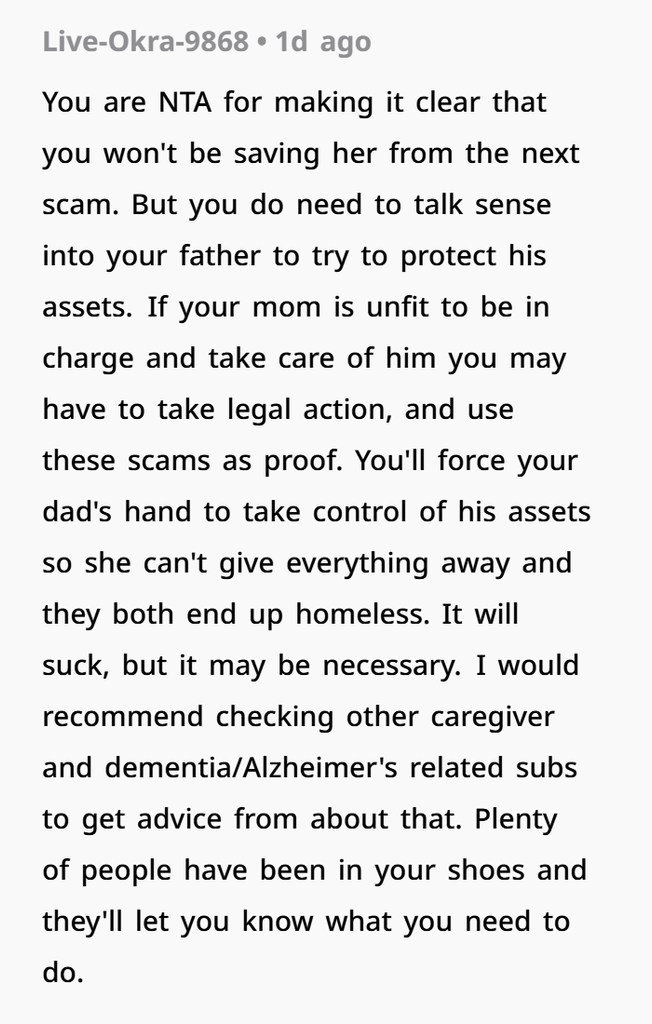
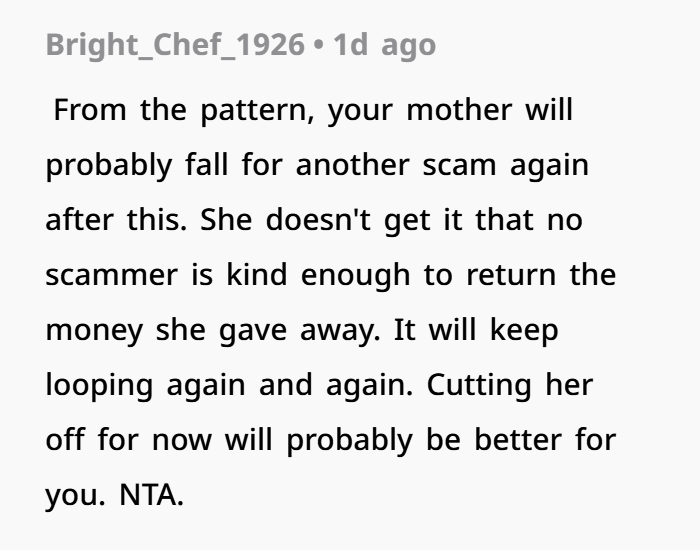
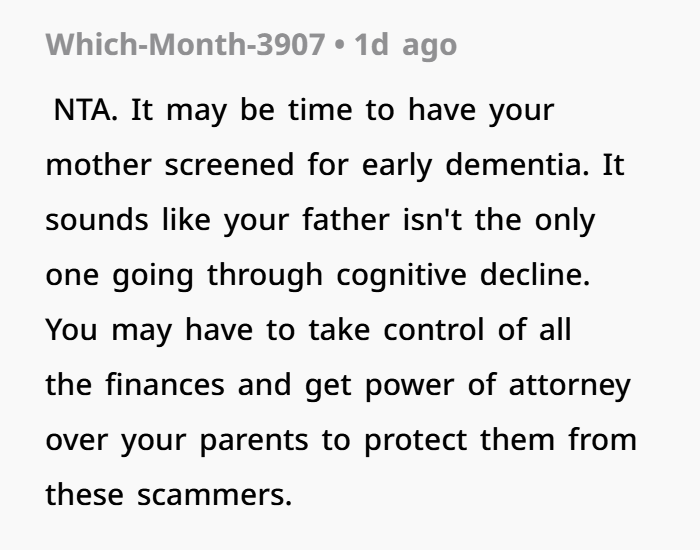
Comments From The Community