My Husband Never Left His Mother’s House Mentally” The Breaking Point That Ended a Young Marriage
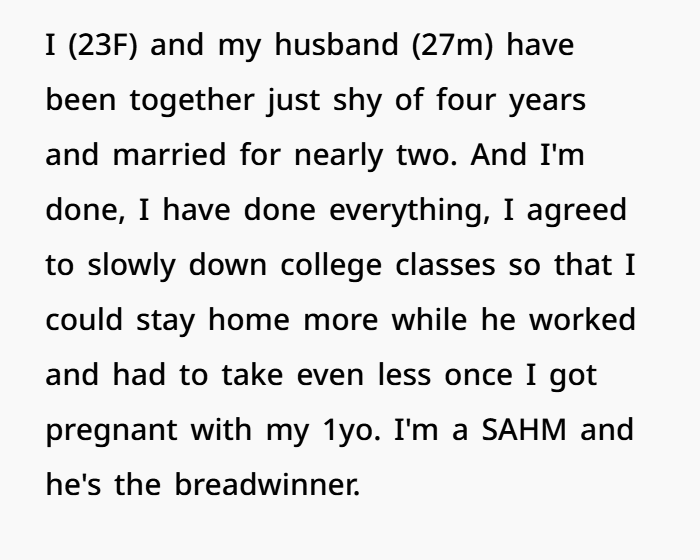
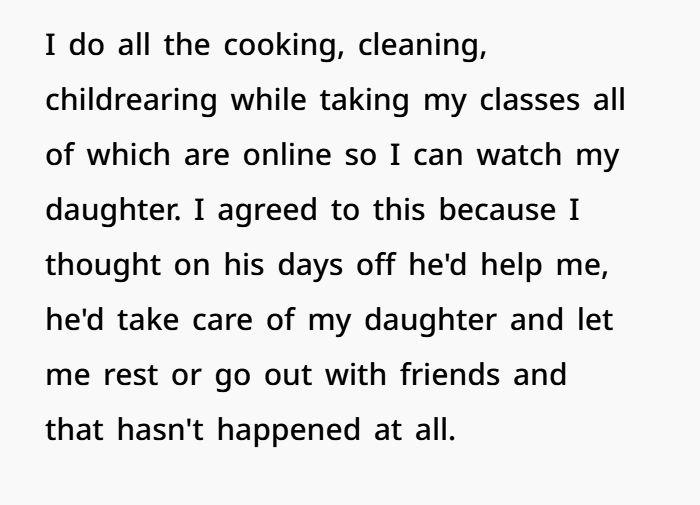
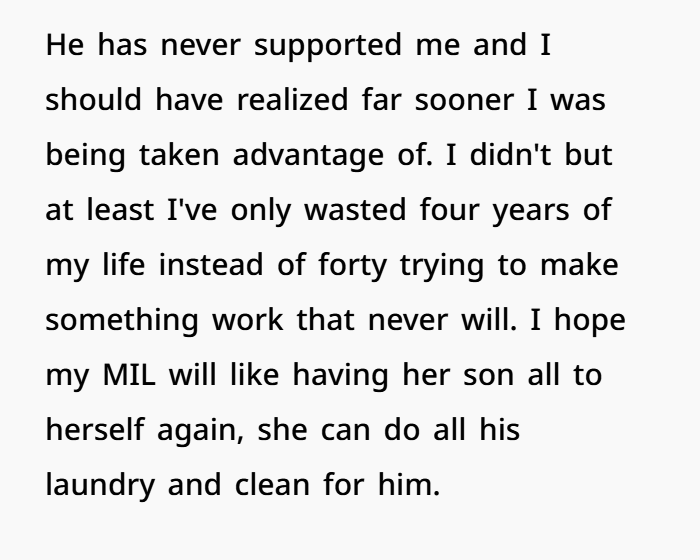
A 23-year-old woman shared that she is preparing for divorce after feeling emotionally exhausted in her marriage. She said she was managing almost everything at home while also trying to continue her studies. She took care of their 1-year-old daughter, handled cooking, cleaning, and online classes, but still felt alone and unsupported in daily life.
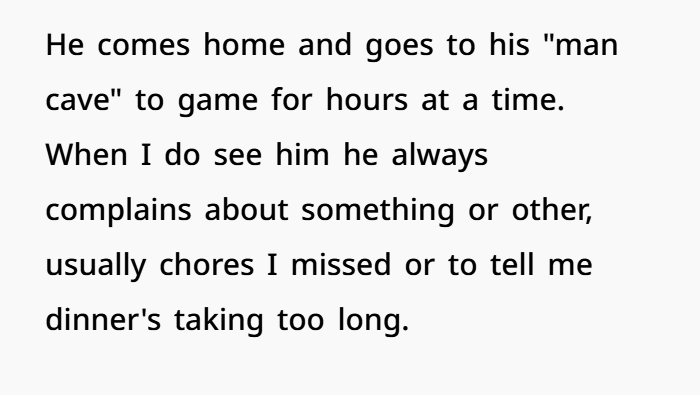
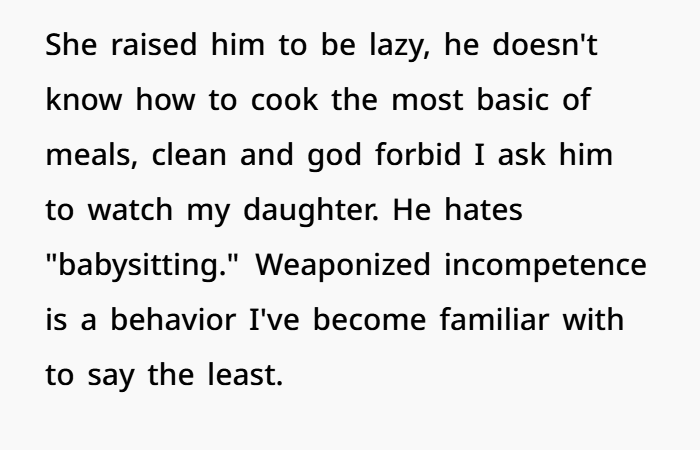
According to her, her husband did not act like a supportive partner. After work, he would spend most of his time playing video games, stay in his room for hours, and often complain about small things like food or household chores. She felt like she was doing both parenting and full-time household management on her own, which caused ongoing stress and emotional burnout.
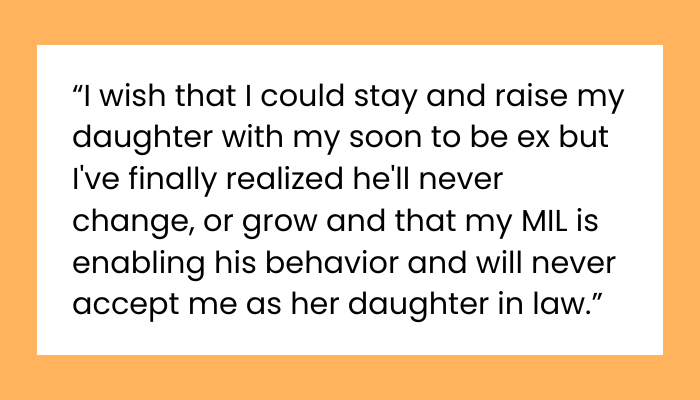
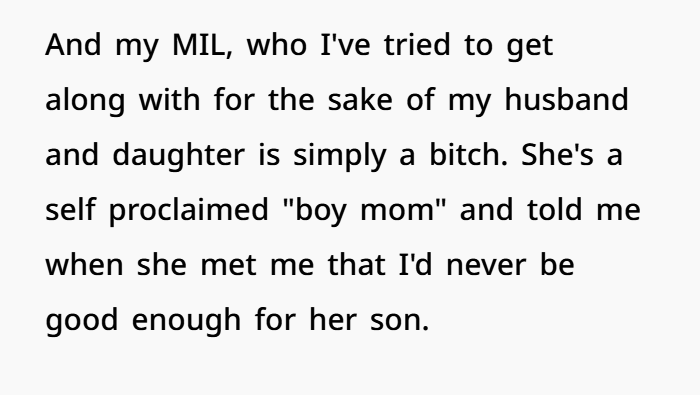
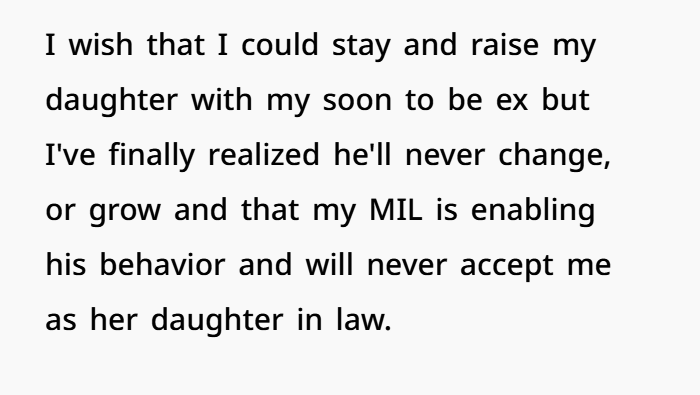
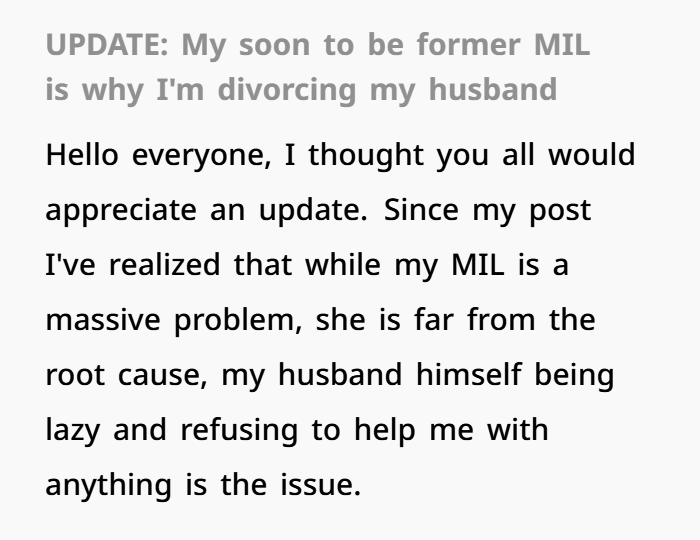
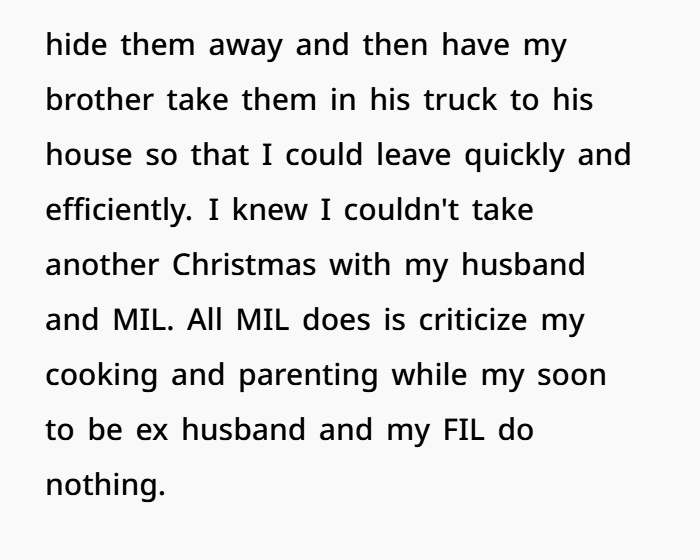
She also said a big part of the problem was interference from her mother-in-law. The mother-in-law often got involved in their personal issues and openly said she would never think any woman was good enough for her son. Whenever the couple had arguments, the husband would go to his mother instead of talking to his wife directly. This led to more conflict, emotional strain, and constant family drama.
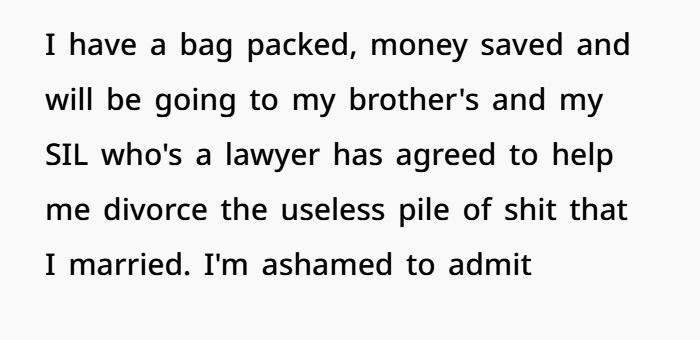
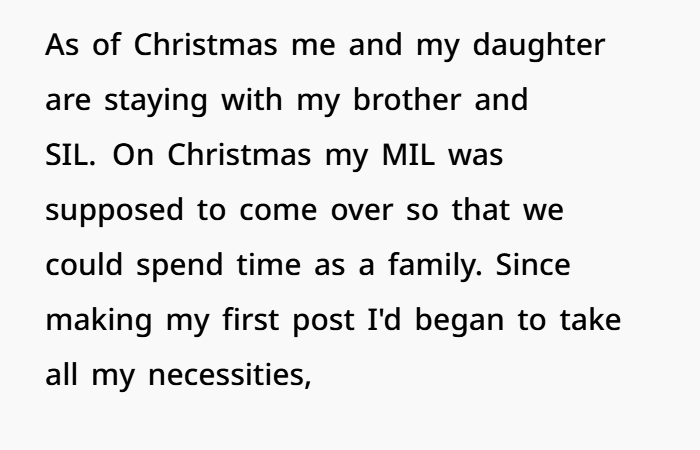
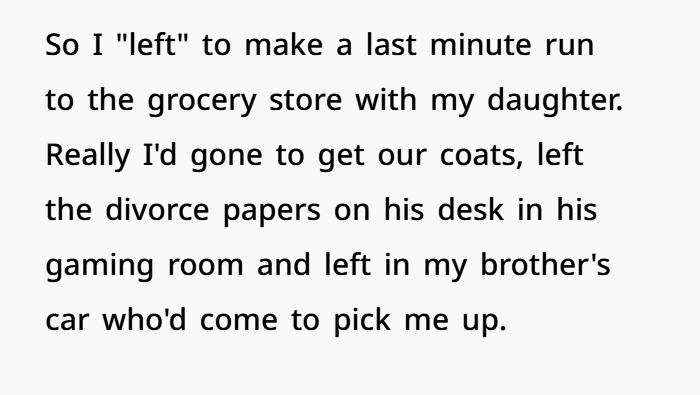
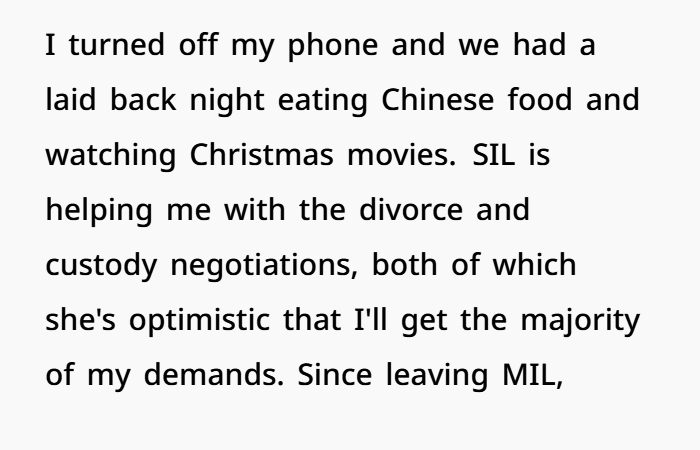
After years of feeling neglected and overwhelmed, the woman decided to take control of her life. She quietly saved money, packed her things, and planned to stay with her brother. She is now preparing for divorce with support from her sister-in-law, who works as a divorce lawyer. The situation highlights issues like marital conflict, emotional neglect, co-parenting stress, and the challenges of dealing with toxic in-law relationships.

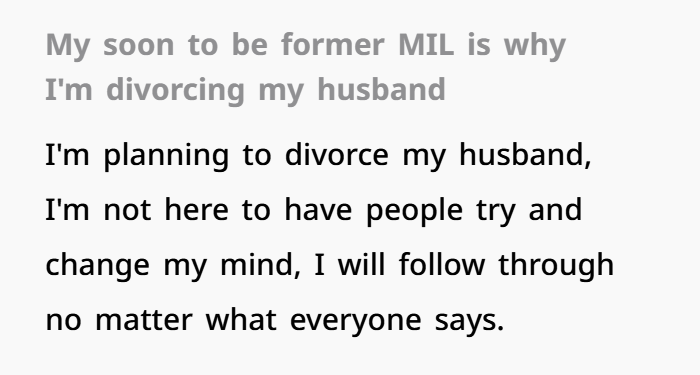



This story went viral online because many people could quietly relate to it. It is not just about a marriage problem. It is about family pressure, in-law issues, and unequal responsibilities inside a relationship.
Sometimes, a marriage is not only between two people. Family members, especially parents, can also strongly affect the relationship.
Problems with in-laws from the beginning
In this case, the woman said that from the start, her future mother-in-law made it clear she would never be “good enough” for her son.
This is a big warning sign in any relationship.
In healthy families, parents usually:
- support their child’s marriage
- respect boundaries
- encourage independence
But in some cases, parents become too involved and emotionally attached, especially mothers who are very protective of their sons. This is often discussed online as “boy mom” behavior.
Unequal responsibilities in the marriage
After marriage, the husband was described as not helping much with:
- cooking
- cleaning
- childcare
- daily household tasks
He even called caring for his own child “babysitting,” which upset many readers because parenting is a shared responsibility.
This created a very unbalanced household workload.
The wife was handling:
- childcare for a young child
- cleaning and cooking
- online college studies
- full-time home responsibilities
This kind of imbalance often leads to stress, burnout, and emotional exhaustion in relationships.
Weaponized incompetence in relationships
Many people online called this pattern “weaponized incompetence.”
This happens when one partner:
- acts like they cannot do tasks properly
- avoids responsibility
- stops helping over time
As a result, the other partner ends up doing everything alone.
Over time, this creates resentment and emotional distance in the marriage.
Emotional and mental load on one partner
It is not only physical work that becomes overwhelming. There is also the mental load, which includes:
- planning meals
- remembering schedules
- managing childcare
- organizing daily tasks
- thinking ahead constantly
This invisible work often goes unnoticed in many marriage and parenting relationships.
In this story, the wife felt she was doing everything while her husband relaxed after work and spent time playing video games.
Gaming and avoidance behavior
Gaming itself is not the problem. Many adults play games and still manage responsibilities.
The issue happens when gaming becomes a way to avoid:
- childcare
- communication
- household duties
- emotional responsibility
This can create emotional distance and loneliness in a relationship, even when both people live in the same home.
Lack of appreciation and growing resentment
The wife also said her husband often criticized unfinished chores instead of helping.
When one partner:
- does most of the work
- receives little appreciation
- and gets frequent criticism
it can quickly lead to emotional burnout in marriage.
Over time, the person doing everything may feel invisible and unvalued.
Family involvement made things worse
Another major issue was the mother-in-law’s involvement in their arguments.
In healthy marriage boundaries, couples should solve problems privately. But in this case, family members often got involved.
This created:
- more conflict
- less privacy
- pressure from outside opinions
Instead of solving problems together, the couple started facing outside interference.
Financial and emotional dependence
The story also mentioned that the husband had a well-paying job given by his father, and his parents were still very involved in his life decisions.
Because of this, he never fully developed independence in adulthood.
When someone does not fully learn responsibility, it can affect:
- decision-making
- emotional maturity
- relationship behavior
This can also increase long-term stress inside a marriage.
Why the wife emotionally checked out
Many readers believe the wife reached a point of emotional exhaustion.
She was:
- handling most responsibilities alone
- feeling unsupported
- dealing with family interference
- and receiving little emotional care
In relationship counseling, this stage is often called emotional burnout or emotional disconnection.
It happens slowly over time, not all at once.
Support from her own family
Later in the story, her own family said they were not surprised and had expected the relationship to end.
This often shows that outside family members can see problems in a relationship before the person inside it fully accepts them.
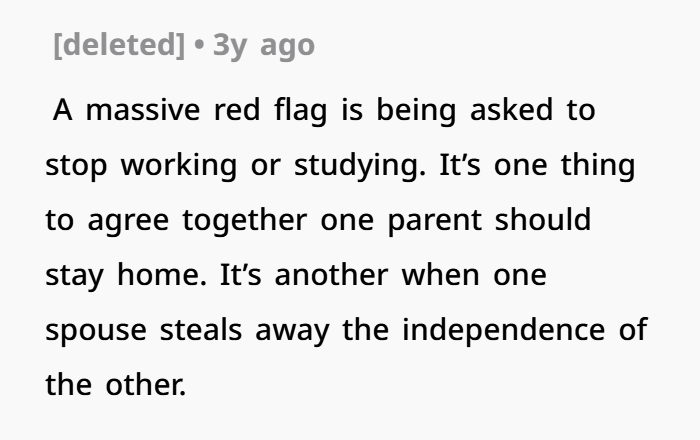
Readers’ Comments Speak Out








Final thoughts
This story became popular because it reflects real issues many people face in modern relationships:
- in-law problems and family boundaries
- unequal household responsibilities
- weaponized incompetence in marriage
- lack of emotional support
- parenting and childcare imbalance
In the end, the main message is simple:
A healthy marriage needs teamwork, respect, and shared responsibility.
When one person carries everything alone while also dealing with family pressure and lack of support, the relationship can slowly become emotionally exhausting and unsustainable.