Boss Uses Kids’ Tracking App to Monitor Employees and Threatens Fines, Sparking Outrage

Some employees feel frustrated when their managers closely watch their every move at work. From tracking work hours to monitoring computer activity, certain workplace practices can make employees feel like they are not trusted.
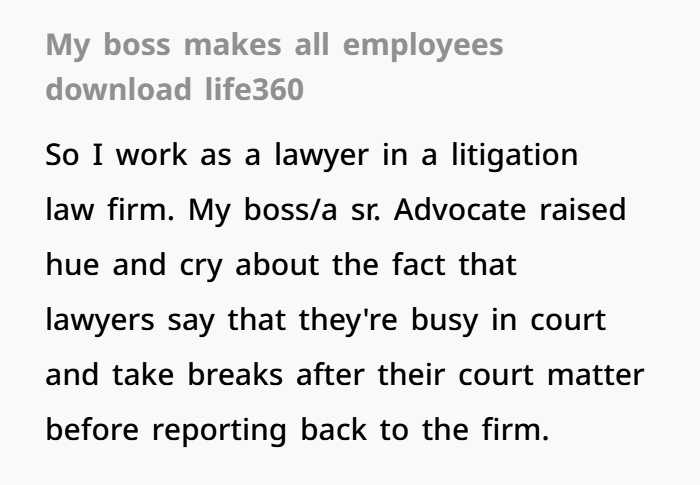
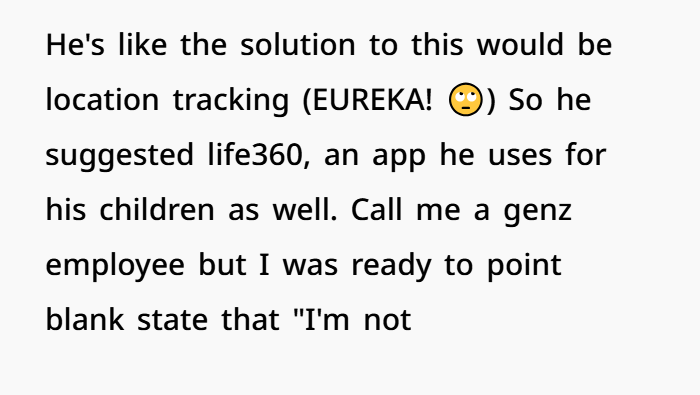
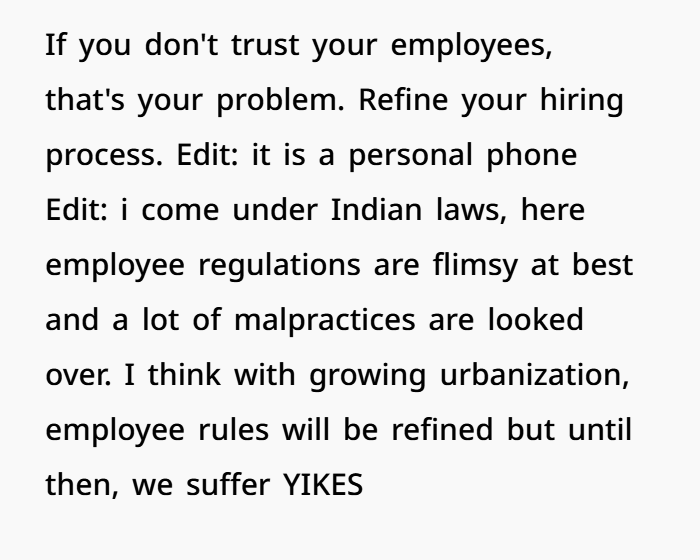
One lawyer shared her concerns after her employer introduced a new workplace policy that she believed affected her personal privacy. She decided to speak about her experience and explain why she felt the rule was unfair.
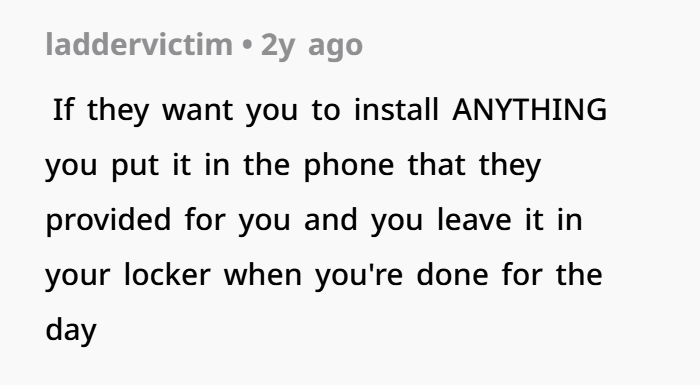
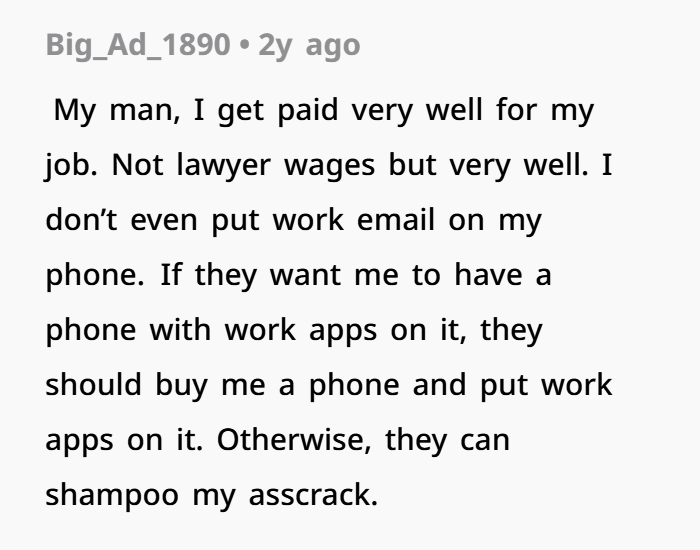
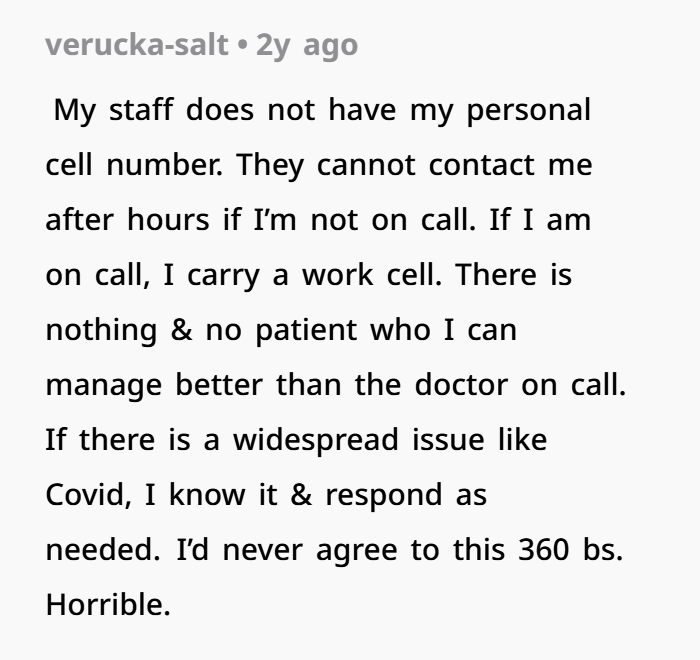
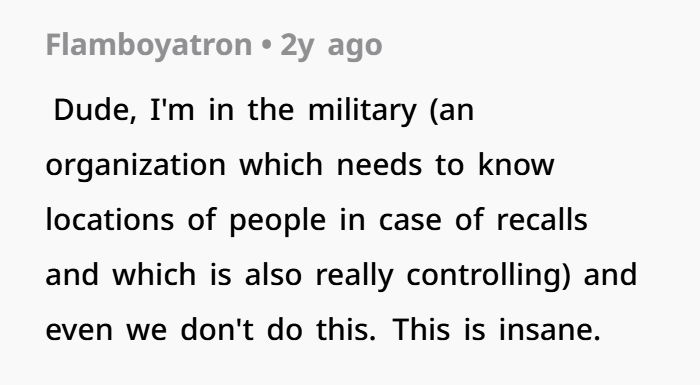
Her story quickly started a conversation online, where many readers discussed topics like employee privacy, workplace monitoring, and modern management styles. People shared different opinions about how companies should handle productivity and employee trust.
A healthy workplace depends on balance. Employers need effective systems to manage business goals, but they also need to respect their employees and create a professional environment built on communication and trust.


Should Employers Track Employee Locations? Understanding Privacy, Security, and Workplace Technology
Location tracking has become a common part of modern life. Many families use it to stay connected with loved ones, keep children safe, or find a lost phone. In some situations, location tracking can provide peace of mind and help people during emergencies.
But when it comes to the workplace, things become more complicated.
Many employees wonder: Can employers track their location? And is it acceptable for companies to monitor workers through company devices?
The answer depends on the type of device being used, company policies, and local privacy laws.
Employers Can Monitor Company-Owned Devices
Companies generally have the right to monitor activity on devices they provide for work purposes. This can include company laptops, work phones, internet usage, emails, and vehicles.
For example, a business may use employee monitoring software to protect company information, improve productivity, manage remote teams, or make sure company equipment is being used properly.
If an employee is driving a company vehicle, GPS tracking may help businesses manage routes, improve safety, and verify work-related travel expenses.
However, employees usually expect that this monitoring is connected to their job responsibilities, not their personal lives.
Personal Phones Create Privacy Concerns
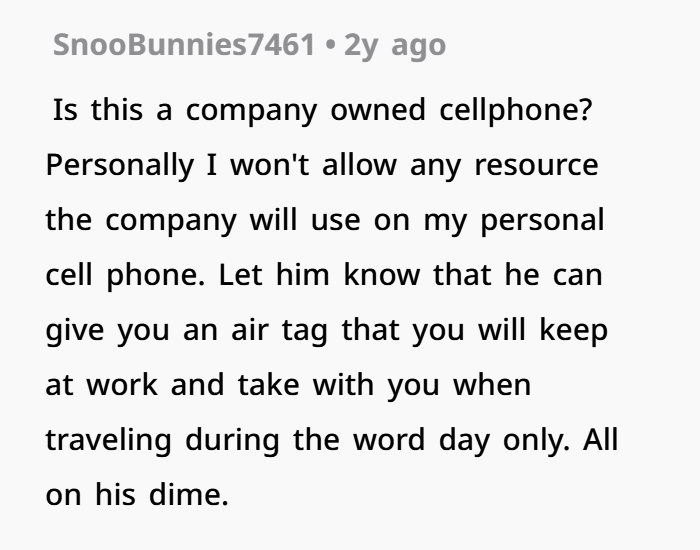
The situation changes when companies want to track an employee’s personal smartphone.
Most people consider their personal devices private. Tracking location, app usage, or personal activity without clear permission can create serious privacy concerns.
Businesses should always be transparent about what information they collect and why they need it. A clear workplace privacy policy can help employees understand what is being monitored and how their data is protected.
Using tracking technology only when necessary can help companies maintain trust with their employees.
Data Privacy Is a Growing Concern
One major concern with location tracking apps is data security.
When a company or app collects personal information, that data needs strong protection. Cybersecurity experts often recommend using safety features like multi-factor authentication, strong passwords, and regular security updates.
A data breach can expose personal details and create risks for users. This is why companies that collect sensitive information have a responsibility to invest in strong data privacy and cybersecurity practices.
Employees and customers want to know that their information is handled carefully and not shared without proper protection.
Tracking Should Not Become Micromanagement
Technology can be useful, but too much monitoring can create problems.
Constantly checking an employee’s location or activity can make workers feel like they are not trusted. Over-monitoring may reduce employee satisfaction, increase workplace stress, and affect company culture.
Good managers usually focus on results, communication, and clear expectations rather than watching every small action.
Workplace technology should support employees, not make them feel controlled.
Finding the Right Balance Between Security and Trust
For businesses, tracking tools can offer real benefits. They can improve fleet management, protect company assets, support remote work, and help with workplace safety.
At the same time, companies need to respect employee privacy. The best approach is finding a balance between business needs and personal boundaries.
Before using any employee tracking system, businesses should consider:
- Is the tracking necessary for work?
- Have employees been informed?
- Is personal data protected?
- Are privacy rules being followed?
- Is the information being collected limited to what is needed?
These questions can help companies use technology responsibly.
The Future of Employee Monitoring Technology
As remote work and digital workplaces continue to grow, employee monitoring tools will likely remain part of business operations.
However, successful companies understand that trust is just as important as technology. Businesses that combine transparency, cybersecurity, and respectful workplace policies are more likely to create positive relationships with employees.
Location tracking can be a helpful tool when used correctly. But when it goes too far, it can damage trust and create unnecessary concerns.
The goal should not be to watch employees every minute of the day. Instead, technology should help create safer, more productive, and more respectful workplaces.
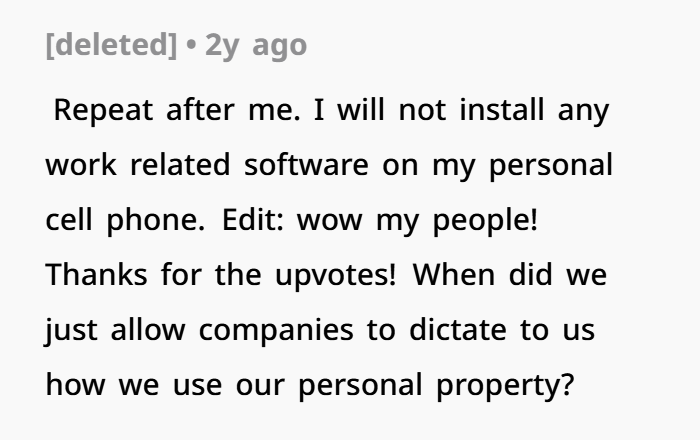
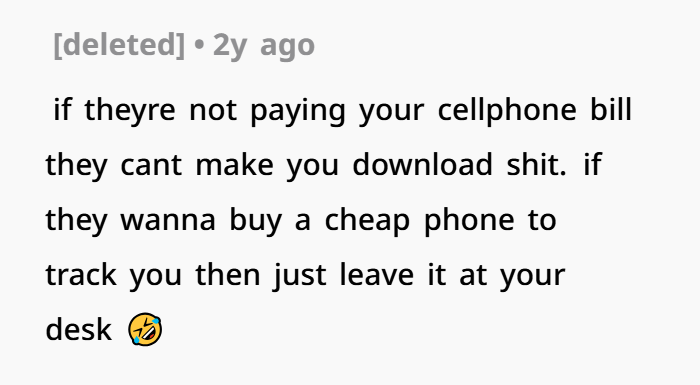
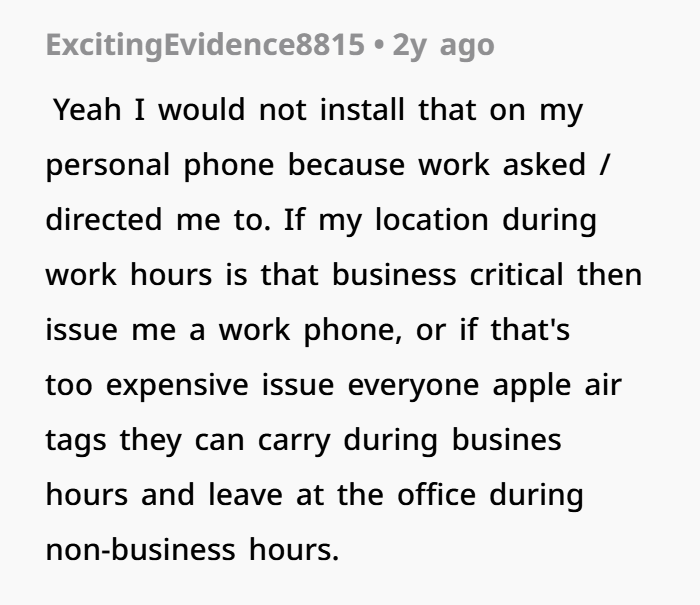
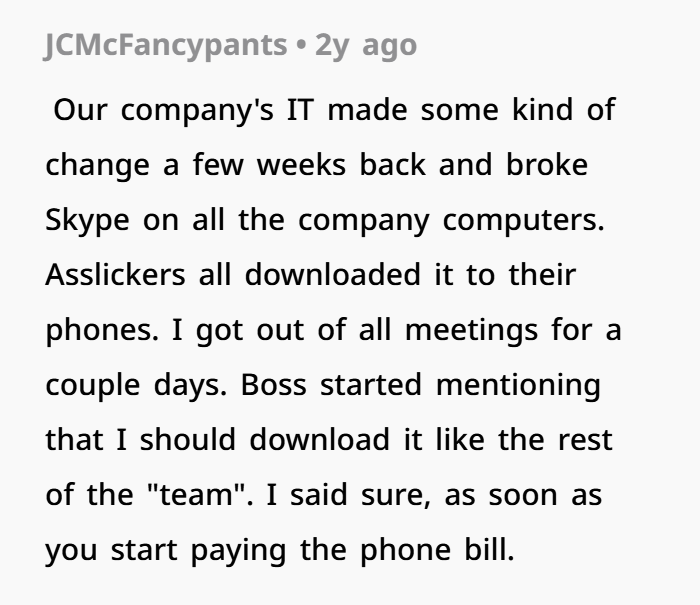
Readers’ Comments Speak Out