Customer Made Me Drop Plates Then Blamed Me for “Ruining Their Meal”
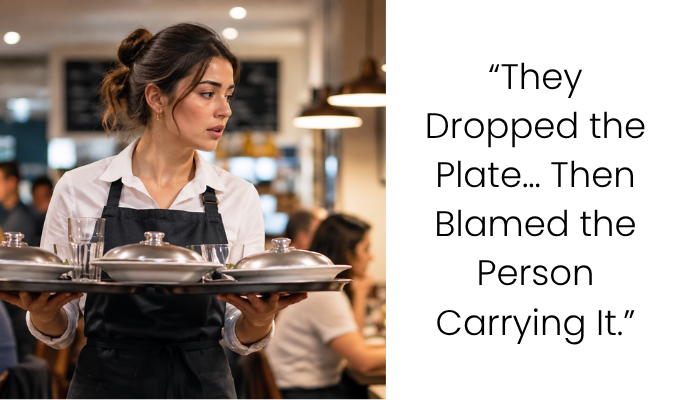
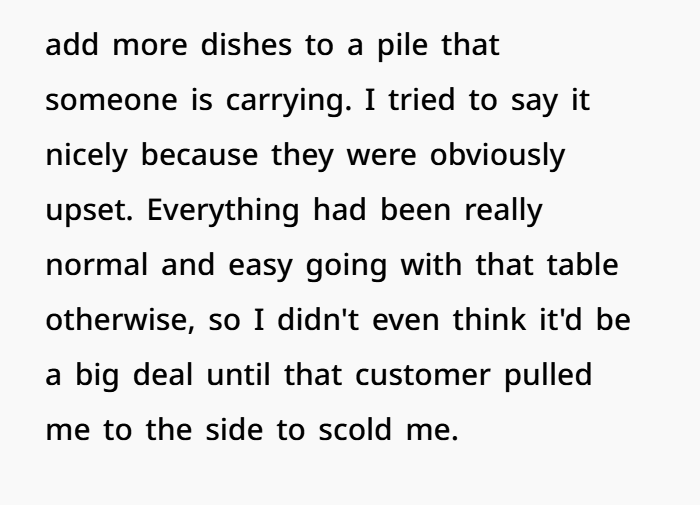
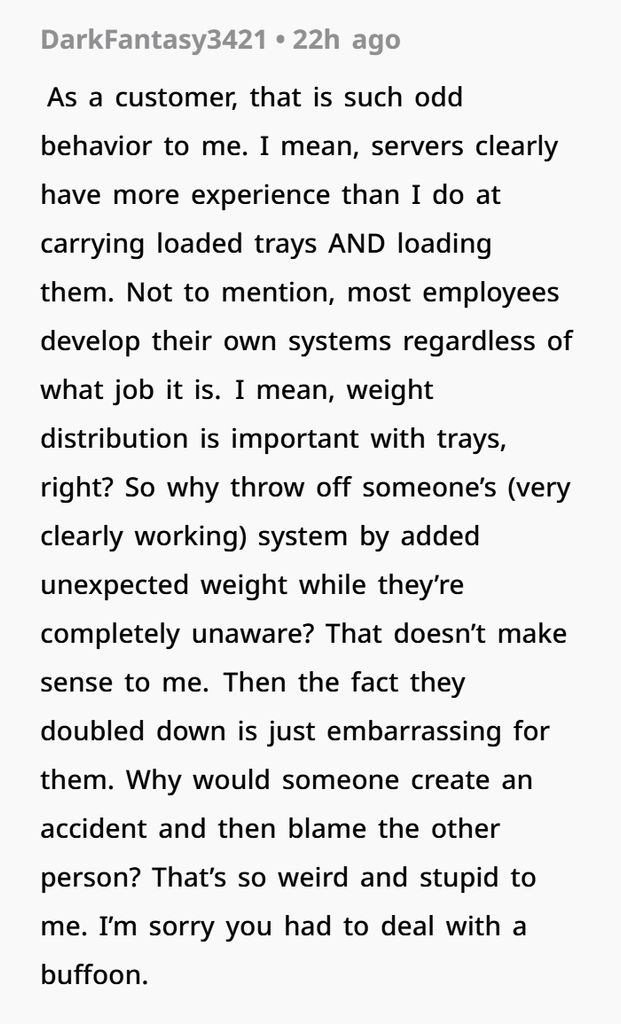
A restaurant employee shared a story about a difficult customer interaction during work. While carrying several plates and talking with a guest, the server had a customer add another plate to the top of the stack without warning. The plates became unbalanced and fell, creating a loud sound inside the restaurant.
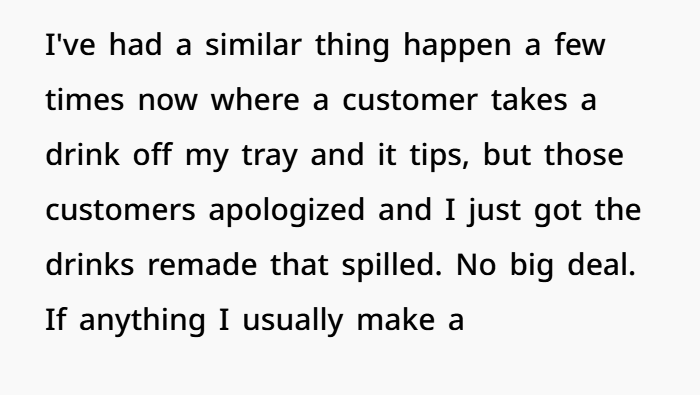
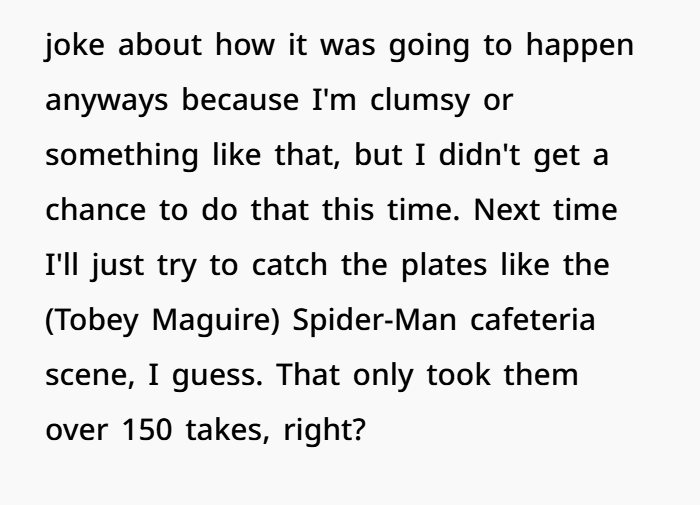
The server immediately tried to fix the problem. They apologized to the guests, cleaned the area, and thought the customer would understand that it was an accident. Instead, the customer became upset and blamed the server for the broken plates.
The server explained that the stack was already being carried and that customers should wait for their server before placing extra dishes. The customer later spoke with the manager and said the server’s behavior was the reason for the bad experience.
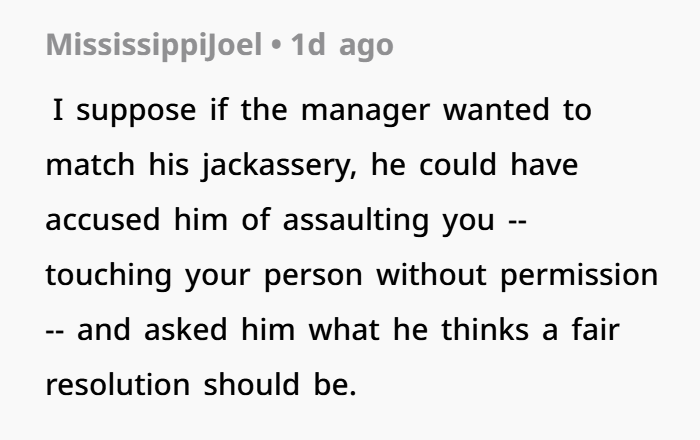
After checking the restaurant security footage, the manager confirmed that the customer had caused the issue by adding the extra plate. The server did not face any problems. The situation showed how important patience, respect, and clear communication are in customer service jobs.

Customer Service, Responsibility, and Why People Shift Blame
Workplace accidents can happen in any business, especially in busy customer service environments like restaurants. Spilled drinks, broken dishes, wrong orders, and small mistakes are common parts of daily operations.
Most accidents can be solved quickly when everyone stays calm and works together. However, problems can become bigger when people start blaming each other instead of focusing on a solution.
Why People Sometimes Avoid Taking Responsibility
When something embarrassing happens, some people may try to protect themselves by blaming someone else.
Psychologists call this behavior self-serving bias. It means people may explain situations in a way that makes them look better or reduces their own responsibility.
For example, if someone accidentally causes a problem in a public place, they may feel uncomfortable or embarrassed. Instead of accepting their part in the situation, they may focus on another person’s actions.
This reaction is common, but it can make simple problems harder to solve.
Safety and Responsibility in Restaurants
Restaurants are busy places where employees often carry multiple dishes, drinks, and supplies at the same time.
Servers are trained to work carefully, but they also need enough space and attention to safely perform their tasks.
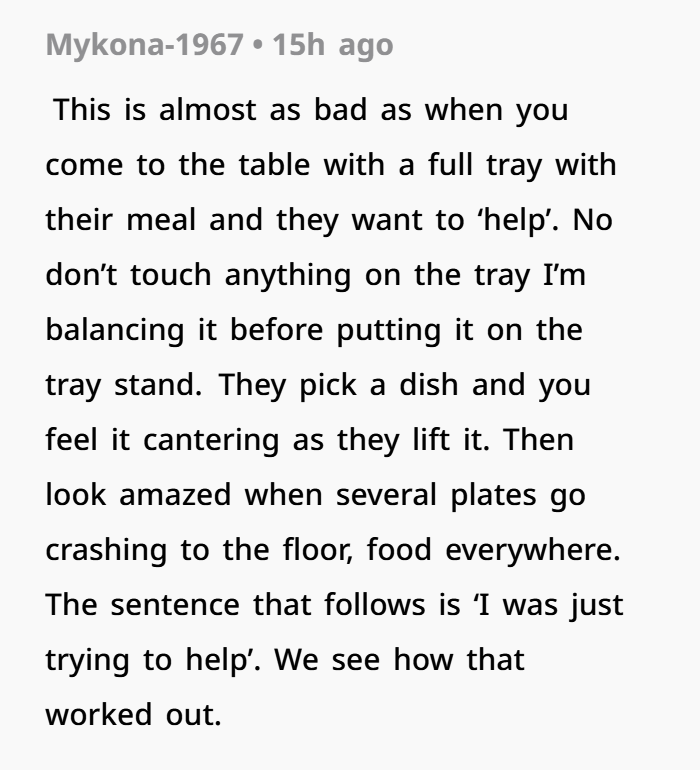
When someone adds extra items to a server’s tray or stack without asking, it can create an unexpected safety issue. The server may not know that the weight has changed, which can affect balance and increase the chance of an accident.
Simple communication can help prevent many workplace accidents.
The Role of Customer Service Employees
People who work in customer service often have to handle difficult situations while staying polite and professional.
Employees are usually expected to listen to customer concerns, solve problems, and provide good service. However, being helpful does not mean accepting blame for every situation.
Good customer service includes:
- Listening carefully
- Staying calm during disagreements
- Explaining what happened clearly
- Finding a fair solution
Employees can be respectful while also setting reasonable boundaries.
Why Communication Matters During Conflicts
Many workplace disagreements become bigger because people react emotionally.
A calm conversation can often solve problems faster than arguing or blaming.
For example, if an accident happens in a restaurant, both customers and employees can work together by:
- Understanding that mistakes happen
- Speaking respectfully
- Looking for solutions
- Avoiding unnecessary conflict
A positive attitude can turn an uncomfortable moment into a simple problem that gets resolved quickly.
The Importance of Fair Workplace Solutions
When there is a disagreement between a customer and an employee, it is important to understand what actually happened.
Managers often use different sources of information, such as employee explanations, customer feedback, and security footage, to understand a situation fairly.
Looking at the facts helps businesses make better decisions and handle customer service issues properly.
The Emotional Challenges of Service Jobs
Customer service workers often deal with many emotions during their workday. They may need to stay friendly and professional even when customers are upset.
This requires patience and emotional control.
Handling difficult conversations is a common part of many service jobs, but employees also deserve respect while doing their work.
A healthy workplace depends on both customers and employees treating each other with kindness.
Opinions Flooded In
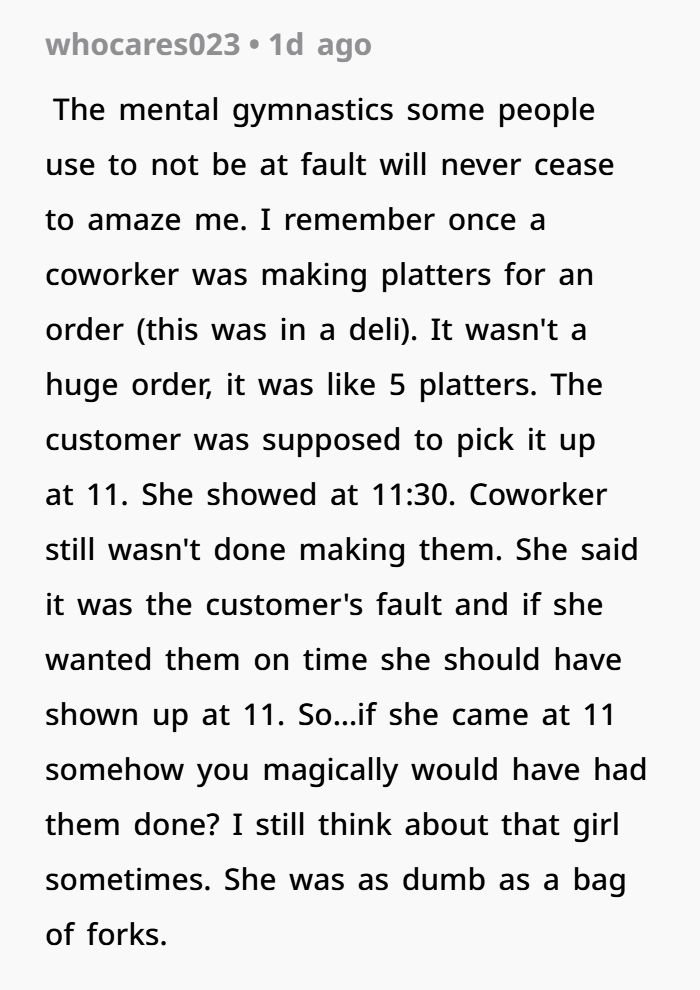
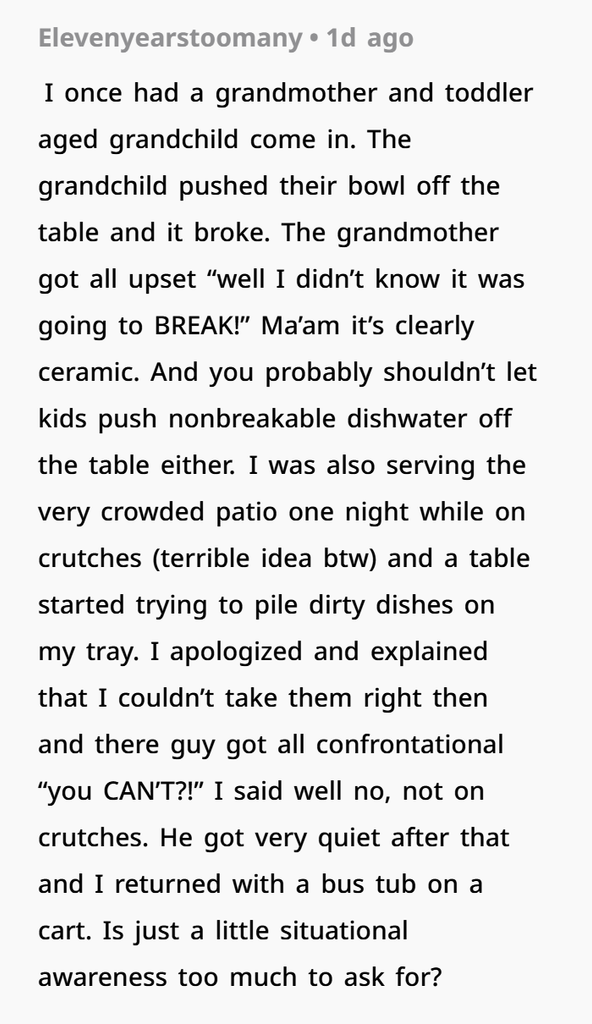
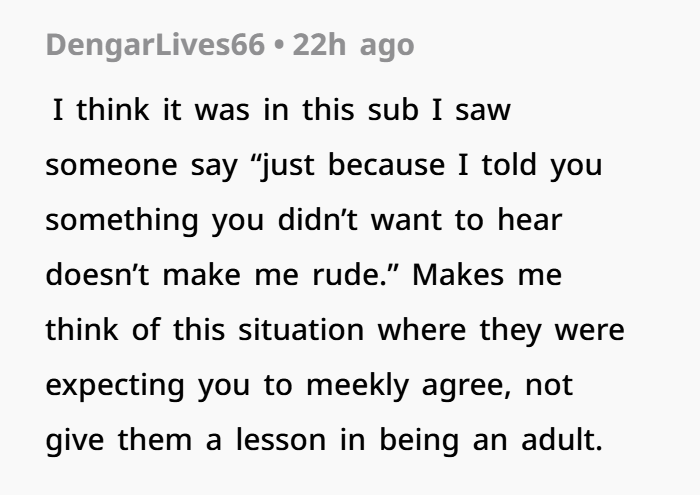
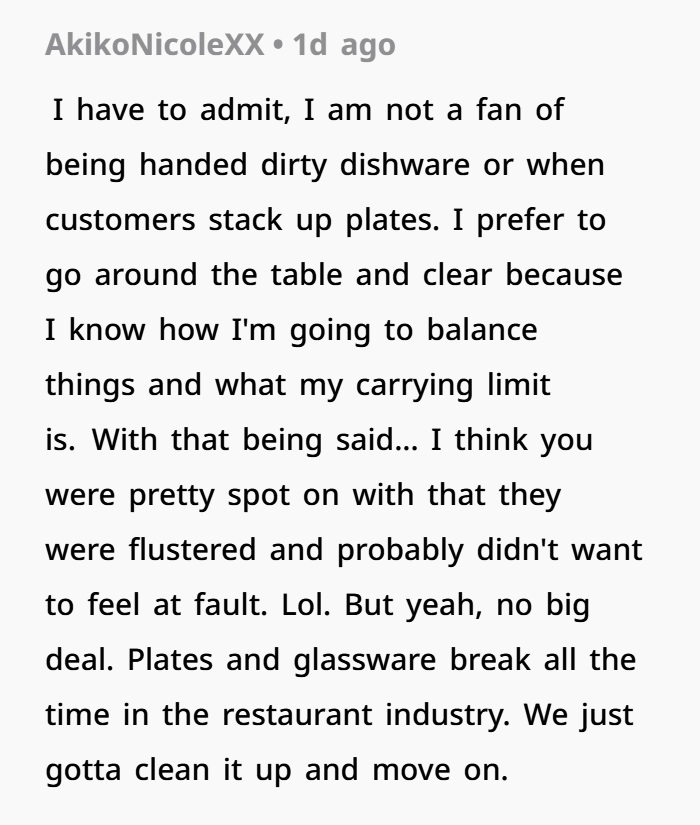
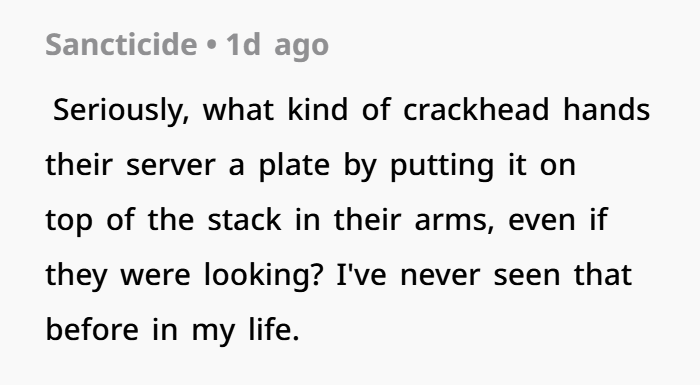
Small accidents can happen anywhere, especially in busy workplaces. The way people respond afterward often determines whether the situation stays simple or becomes a bigger conflict.
Taking responsibility, communicating clearly, and showing respect can help solve most problems.
Customer service works best when both employees and customers understand that everyone makes mistakes and that finding a solution is more important than placing blame.