My Girlfriend’s Secret Twitter Account Gave Me the Biggest Ick
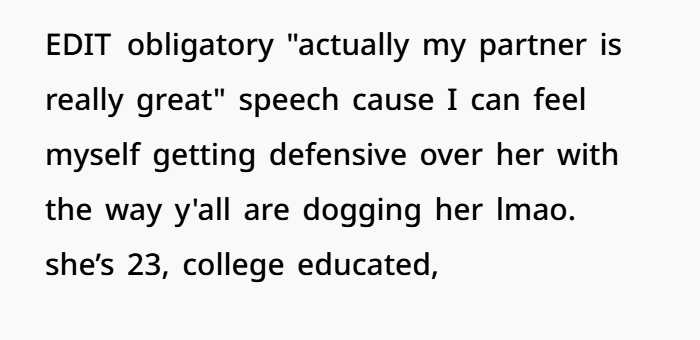
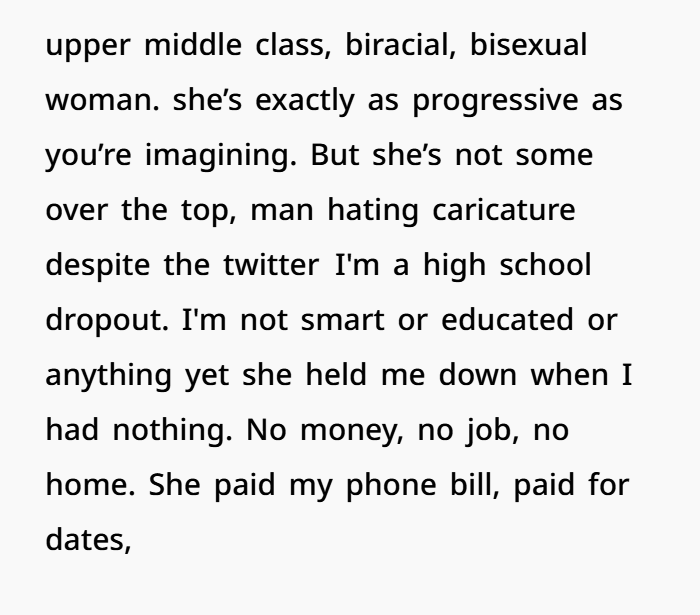
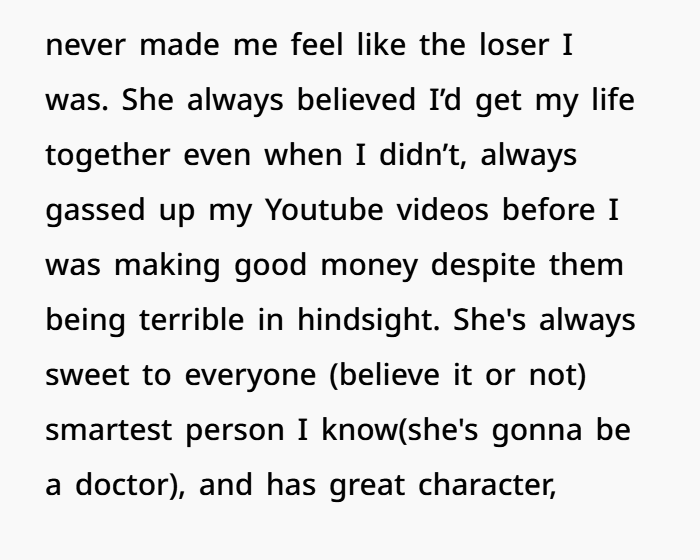
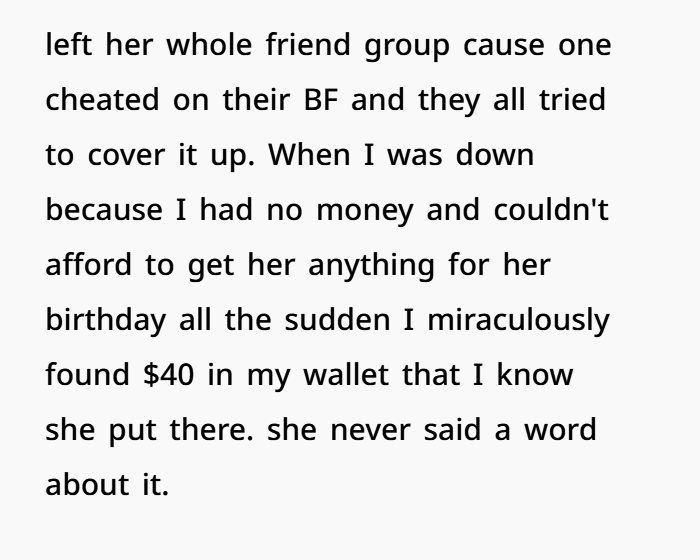
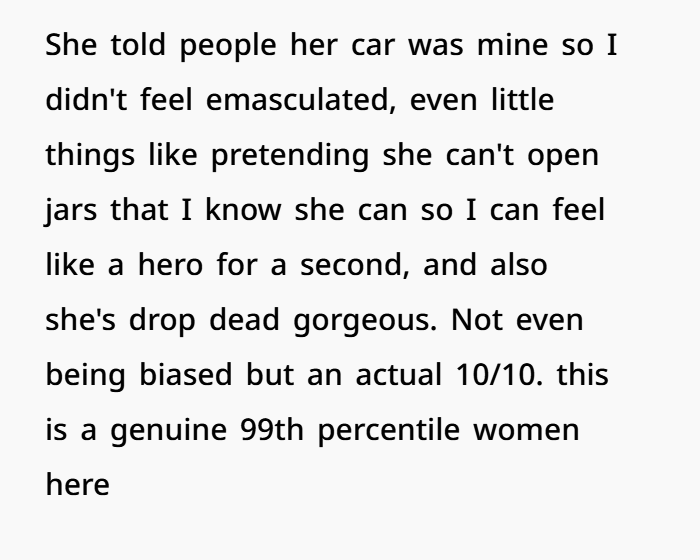
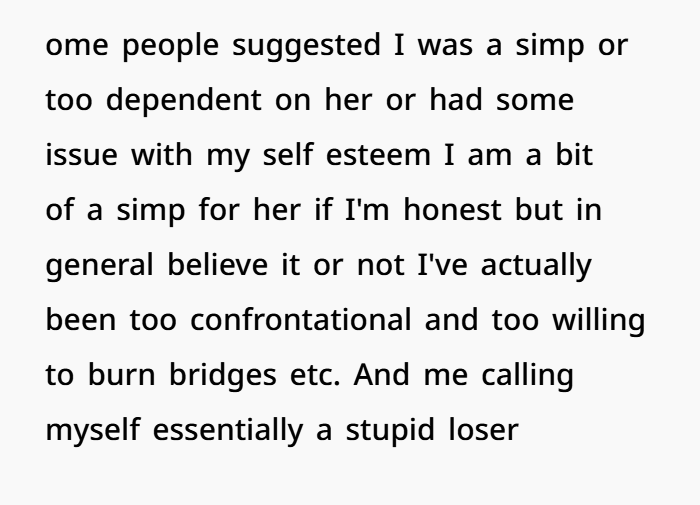
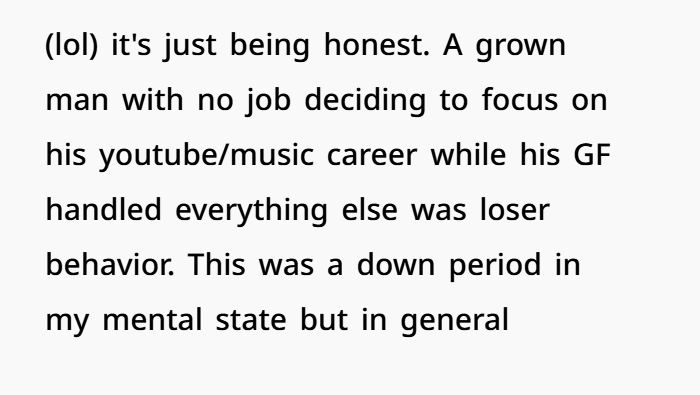
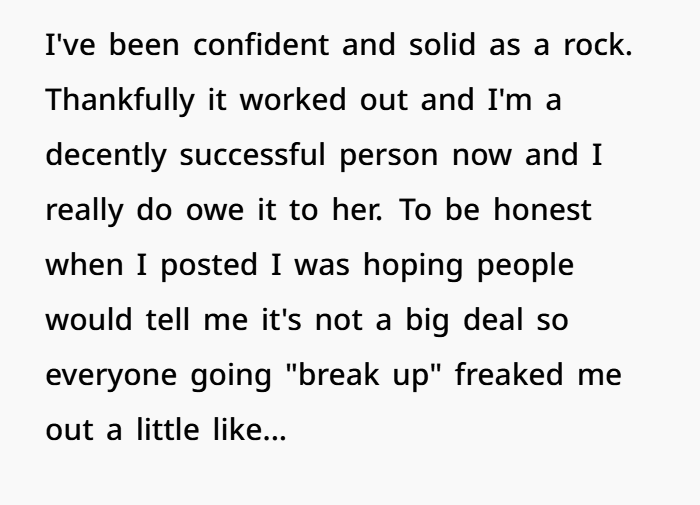
A man believed he had found the perfect girlfriend. She supported him when he was going through financial struggles, stood by him during difficult times, and believed in his future when others did not. In his eyes, she was caring, successful, attractive, and very supportive. She seemed like a strong partner, and their relationship looked healthy and stable from the outside.
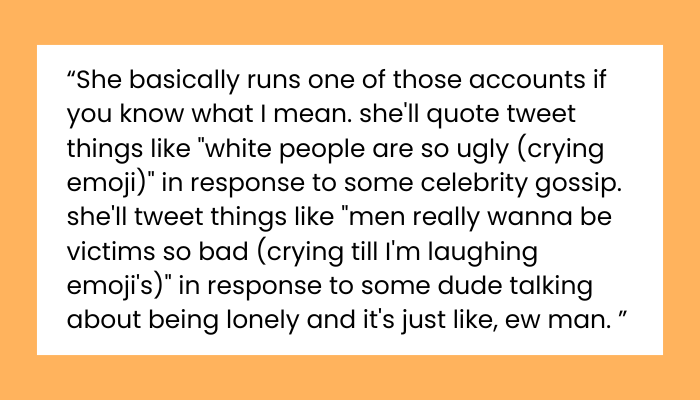
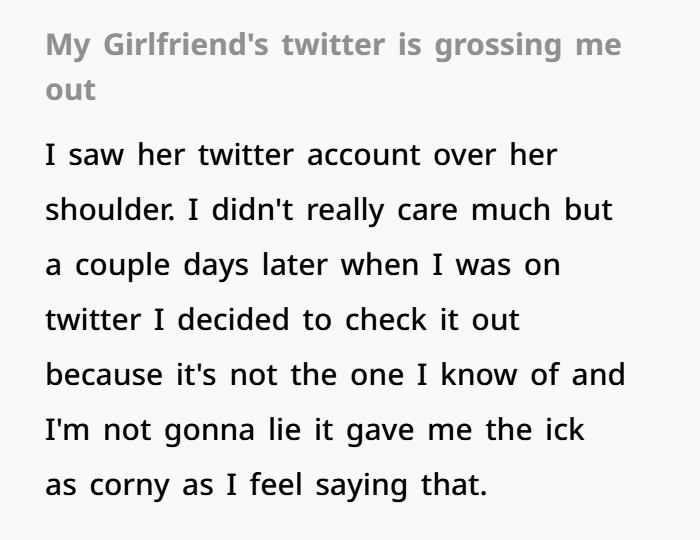
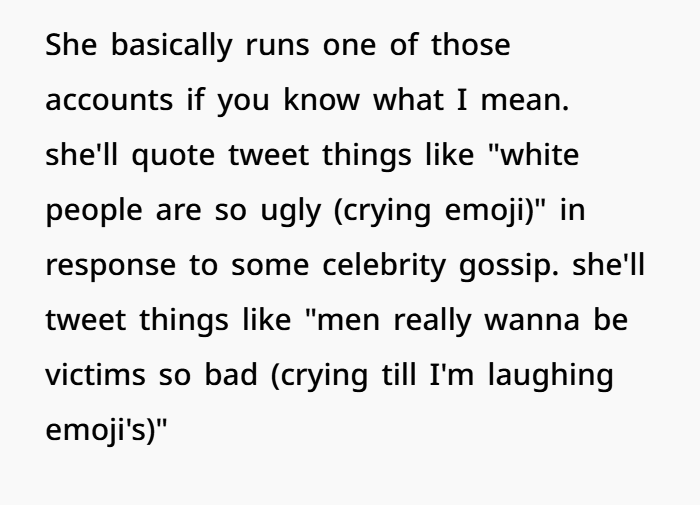
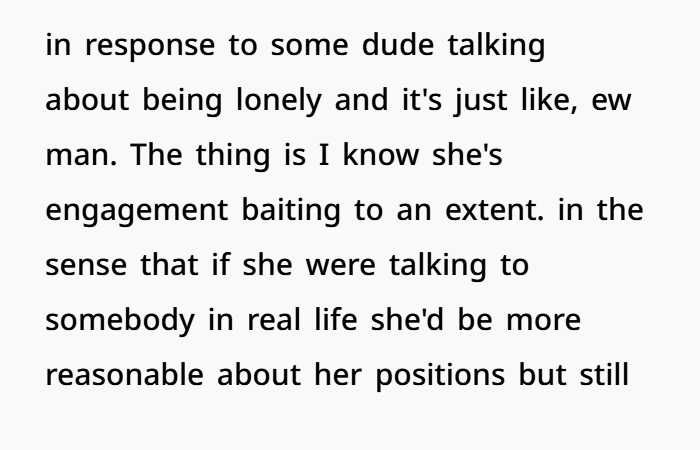
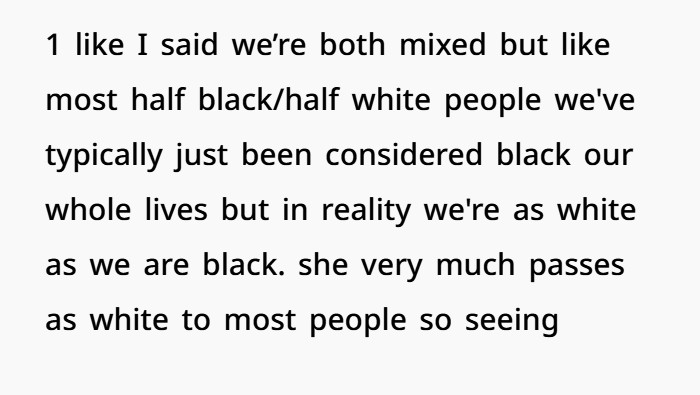
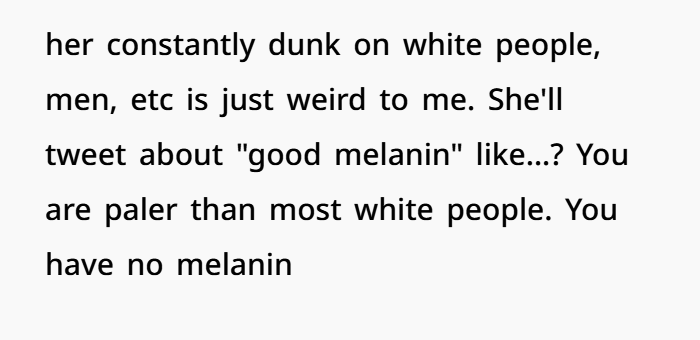
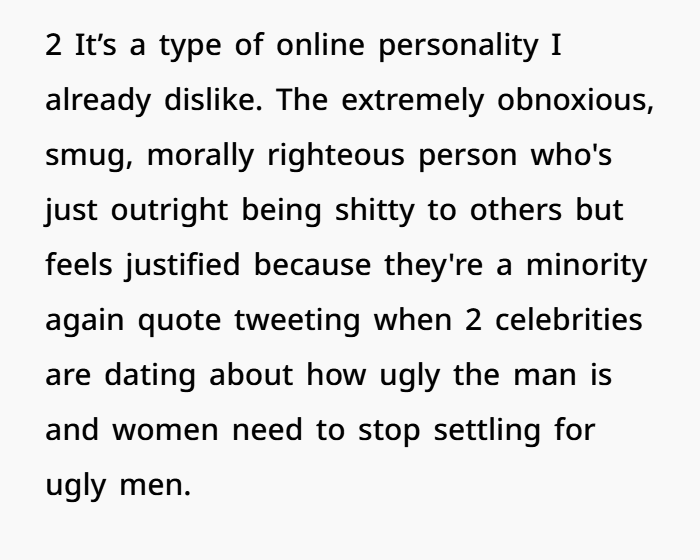
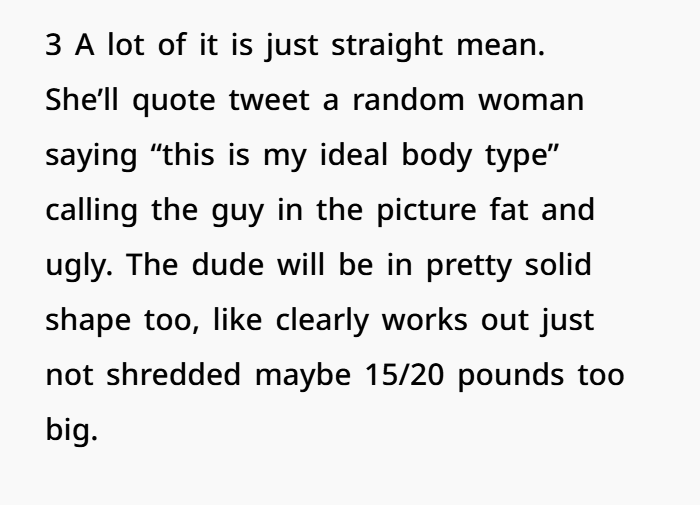
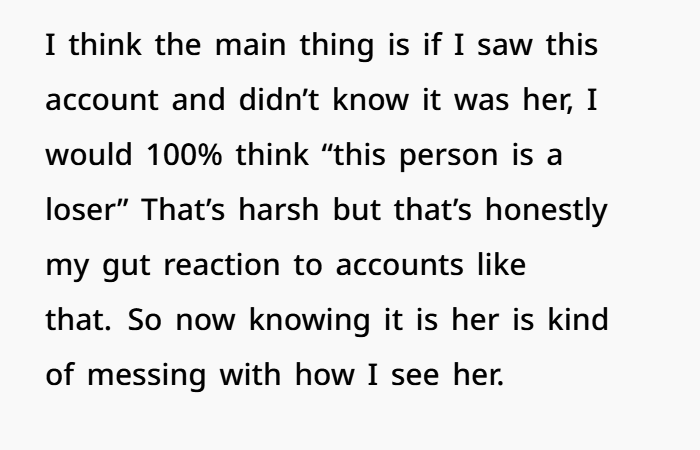
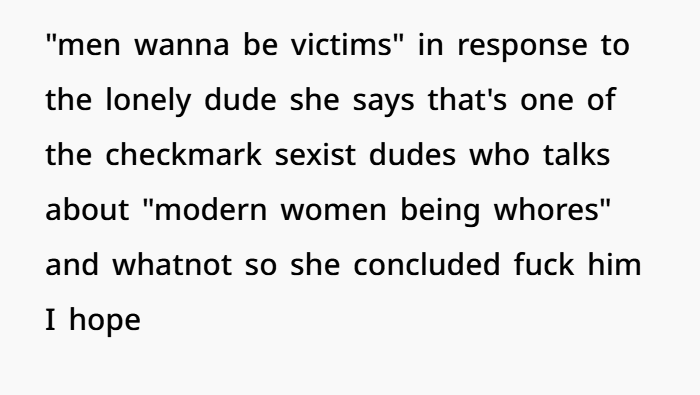
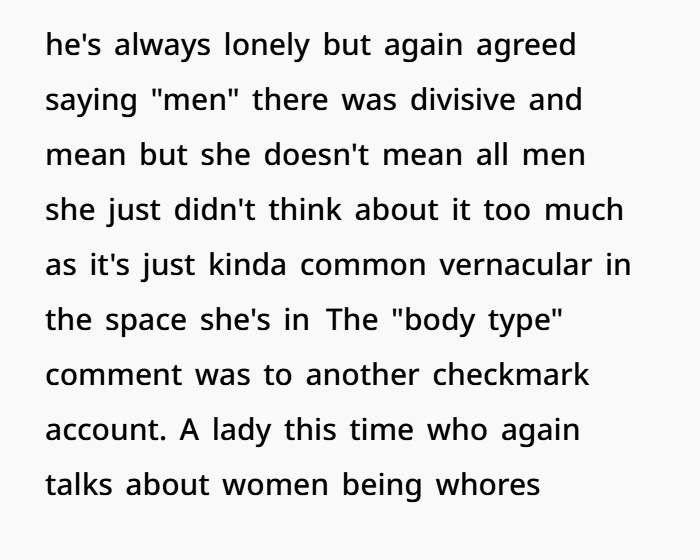
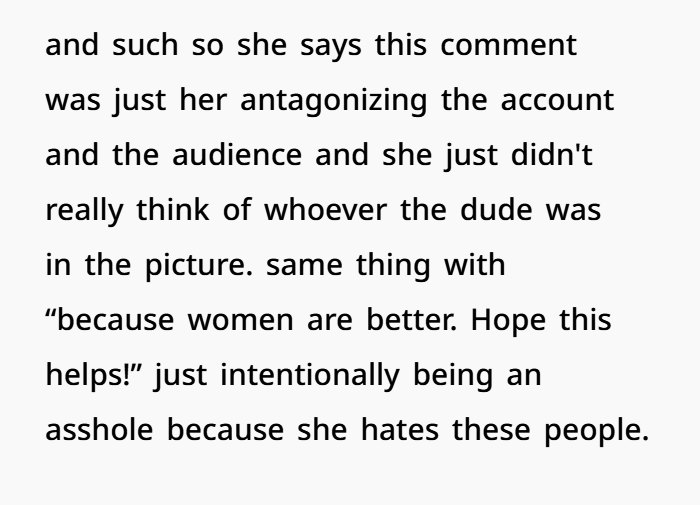
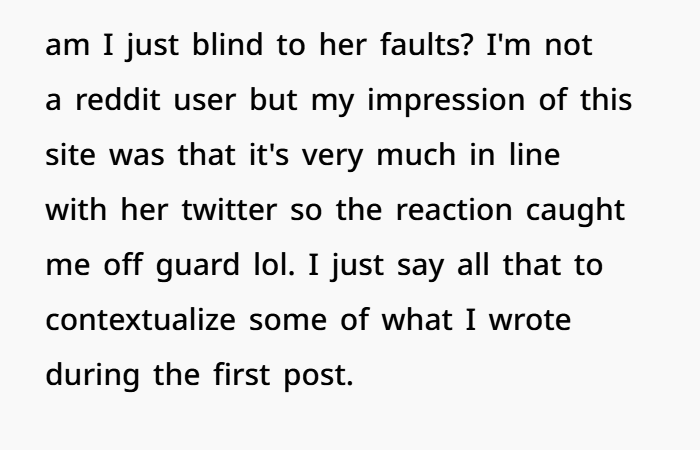
However, everything started to feel different when he discovered a second social media account she rarely talked about. On this account, her posts were very different from the person he knew in real life. She shared angry comments, negative jokes, and posts that insulted different groups of people. She also posted content that was meant to get attention and strong reactions online, and she often argued with people who disagreed with her.
This created confusion for him because her online personality did not match her real-life behavior. In person, she was kind, calm, and supportive. But online, she appeared harsh, emotional, and sometimes offensive. The difference between the two versions of her personality made him question what was real and what was not.
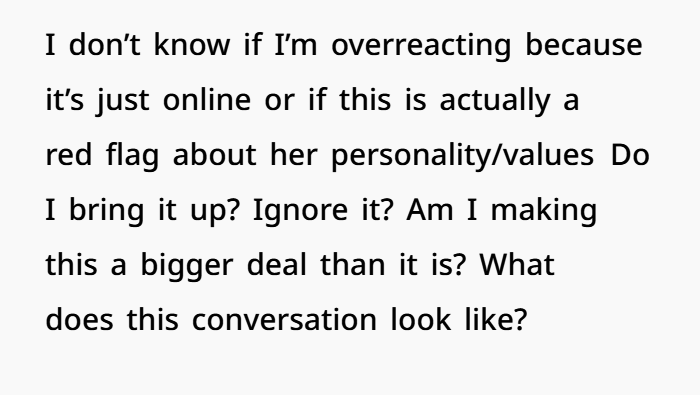
Now he is unsure how to think about the situation. He is wondering whether this is just normal online behavior that should be ignored, or if it is a serious warning sign in the relationship. The situation highlights how social media behavior, digital identity, relationship trust, and online personality differences can affect modern dating and emotional security in relationships.
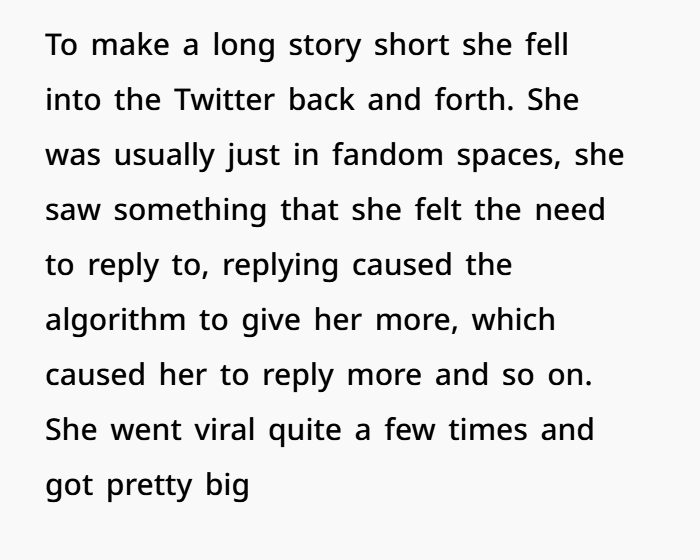
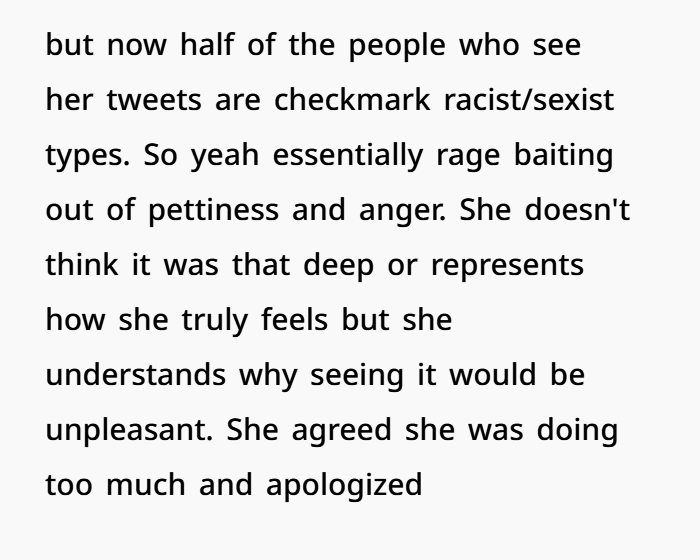
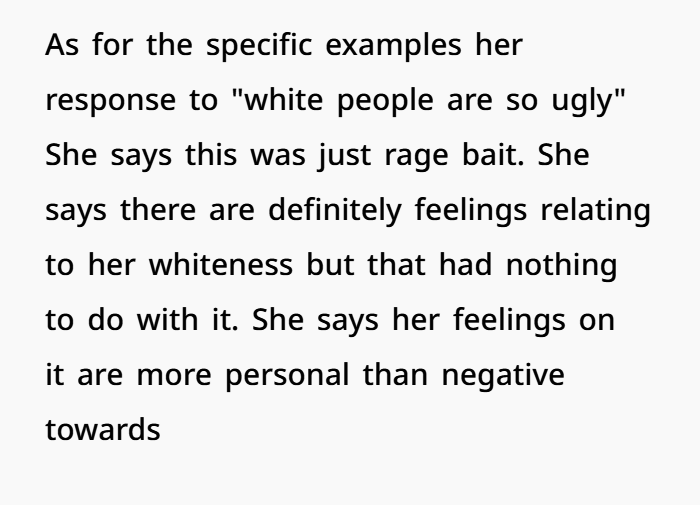
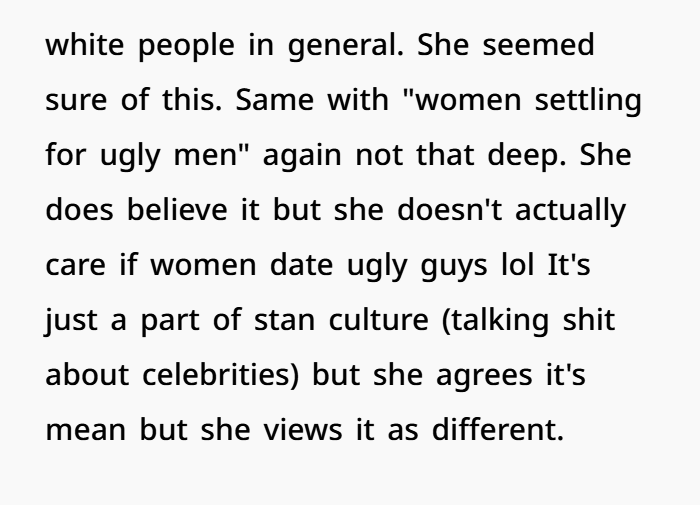
This situation feels very real because it shows how social media can slowly change the way people act online.
A lot of people today behave differently on the internet than they do in real life. Sometimes, this creates confusion for their partners or friends who know a different side of them.
The Real Problem Was Not Just Opinions
In this story, the boyfriend was not upset because his girlfriend had strong opinions.
What really bothered him was:
- Harsh jokes about other people
- Mocking strangers online
- Smug and rude comments
- Enjoying attention from online arguments
Over time, her online behavior started to feel cruel instead of funny.
This is a common issue in social media behavior and online reputation management, where people can slowly change how they act to get attention or engagement.
How Social Media Can Change Behavior
Modern platforms like X (Twitter), TikTok, and Instagram often reward:
- Anger and outrage
- Controversial posts
- Arguments in comment sections
- “Dunking” on other people
In social media psychology and digital behavior studies, this is known as “engagement-driven content.” It means posts that cause strong emotions get more views and interactions.
Because of this, some people slowly start posting more extreme or negative content without fully realizing it.
The Online “Character” vs Real Life
One big question in this situation is whether online behavior shows someone’s real personality.
In digital psychology and relationship studies, experts say it is usually a mix:
- Some people exaggerate online for attention
- Some act differently because of anonymity
- Some are influenced by online communities
- Some express real feelings in a more extreme way
So online behavior is not always 100% real personality, but it can still show patterns of thinking.
Why the Boyfriend Felt Uncomfortable
The boyfriend started feeling uncomfortable because:
- Her posts felt mean toward others
- She made fun of people online
- She used insults for attention
- She seemed to enjoy negative reactions
Even if it was partly for humor or engagement, it still changed how he saw her.
In relationship psychology, this is common when one partner sees behavior that does not match the person they know offline.
The Problem of Online Hypocrisy
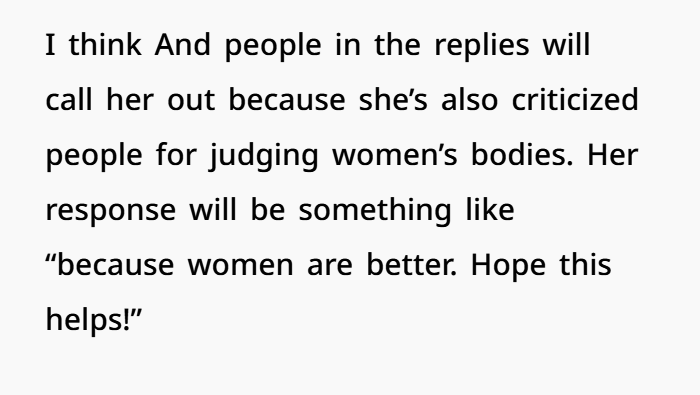
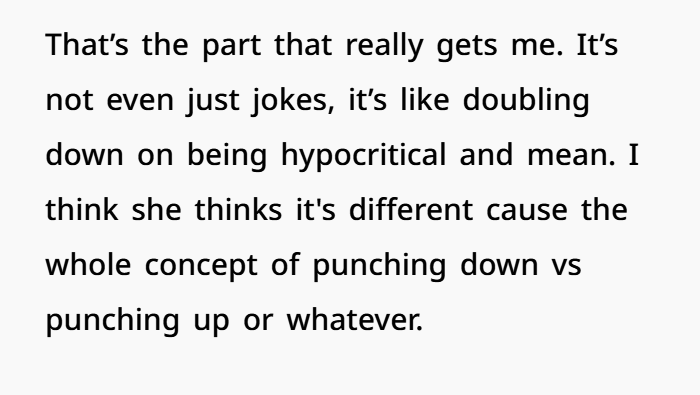
Another issue was inconsistency in her posts.
For example:
- She criticized bullying but also mocked others
- She spoke about fairness but made general insults
- She supported kindness but posted rude jokes
In online communication studies, this is often called digital hypocrisy. It can damage trust because it feels like double standards.
The Positive Part of the Story
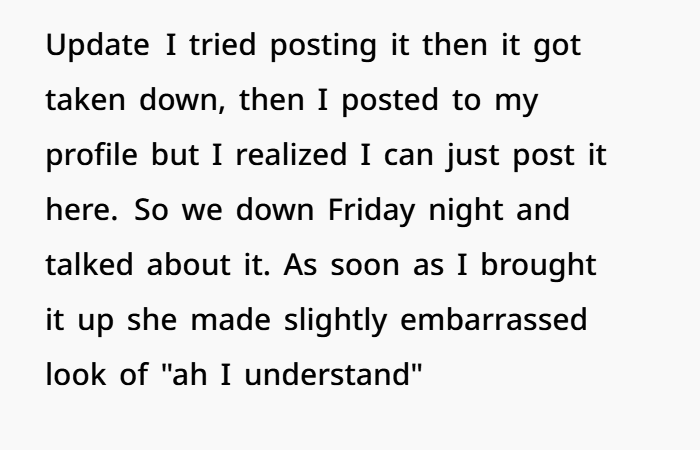
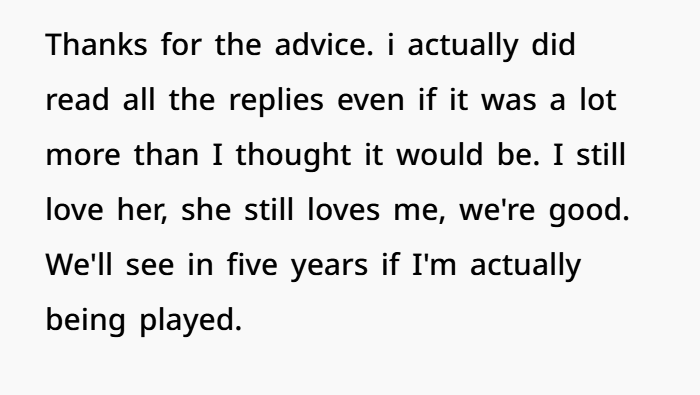
The update shows a better outcome.
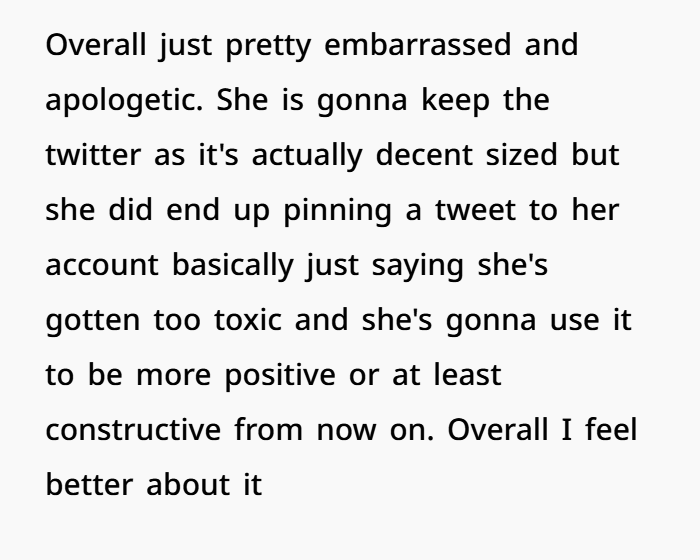
When they talked about it, she:
- Listened without getting defensive
- Understood why it upset him
- Admitted social media influenced her behavior
- Said she sometimes posted for attention and engagement
- Apologized for her online tone
- Tried to move toward more positive content
In relationship counseling and emotional communication, this kind of response is very important. It shows self-awareness and willingness to change.
Why Social Media Makes This Worse
Social media platforms are designed to keep people engaged. In digital marketing and algorithm studies, content that spreads fastest often includes:
- Strong opinions
- Conflict
- Humor that insults others
- Viral arguments
Over time, this can encourage “rage content” and make negativity feel normal.
Many people do not realize how much this can affect their behavior.
Why This Story Feels So Common
This situation feels familiar because many couples today face similar issues:
- One partner is more active online
- Online identity becomes different from real life
- Social media influences emotions and behavior
- Misunderstandings happen because of digital habits
In modern relationship communication, this is becoming more common as online life becomes a bigger part of daily routine.
The Bigger Lesson
The key lesson from this story is not about judging someone too quickly.
It is about:
- How social media can shape behavior
- How online attention can change communication style
- How important honest conversations are in relationships
- How people can recognize and fix unhealthy online habits
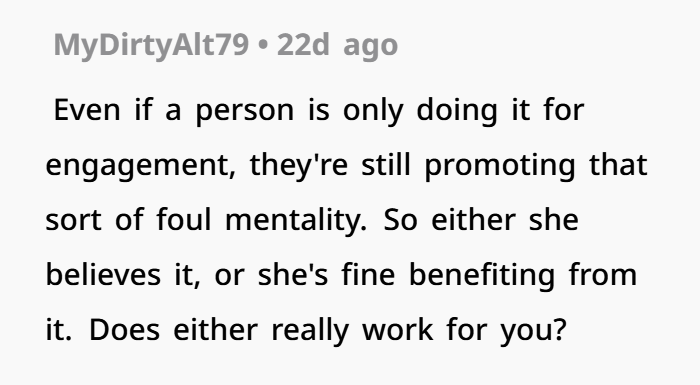
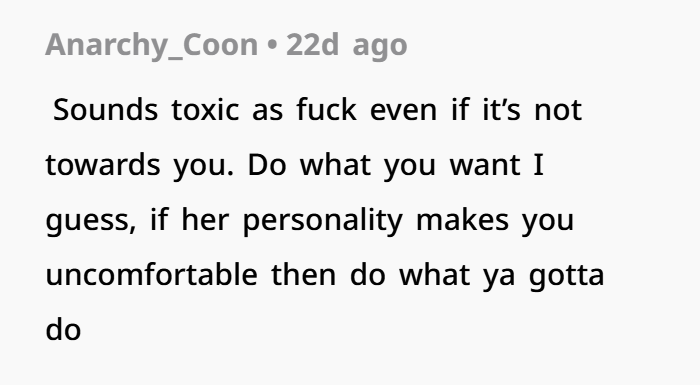
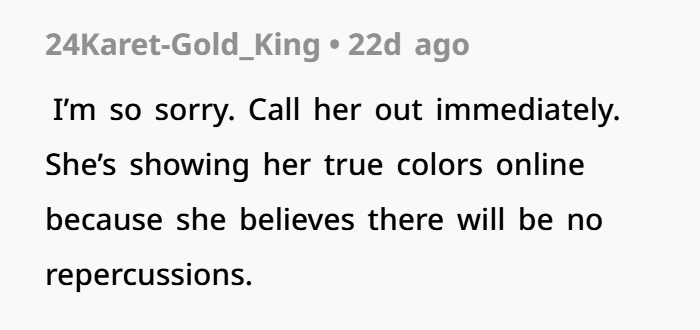
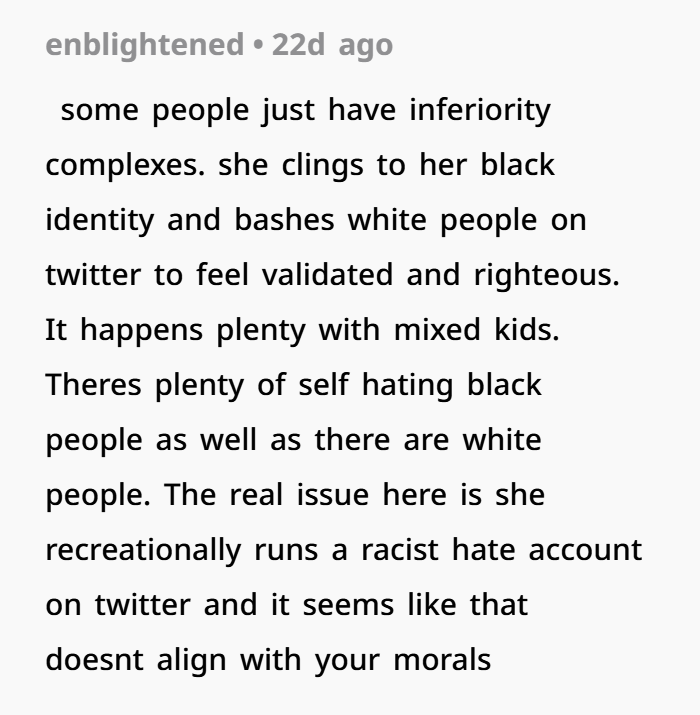
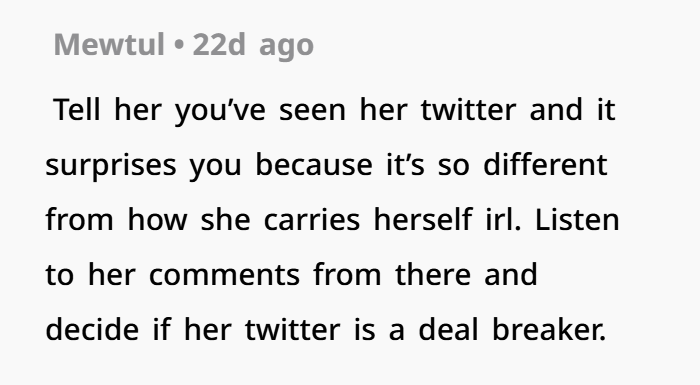
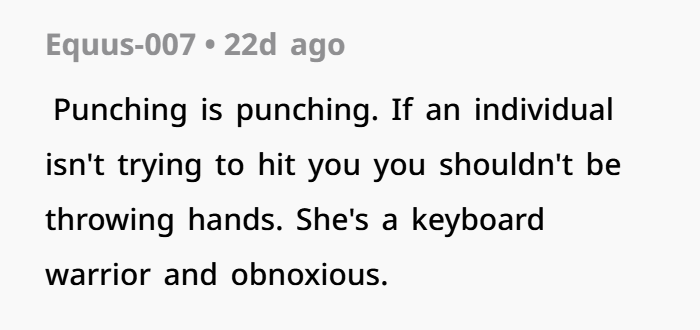
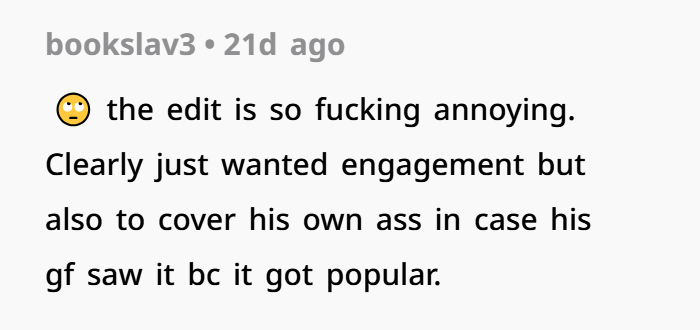
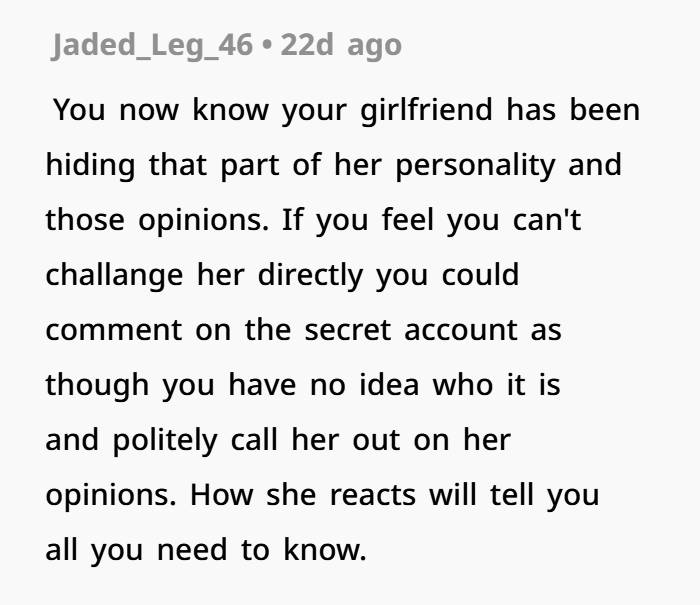
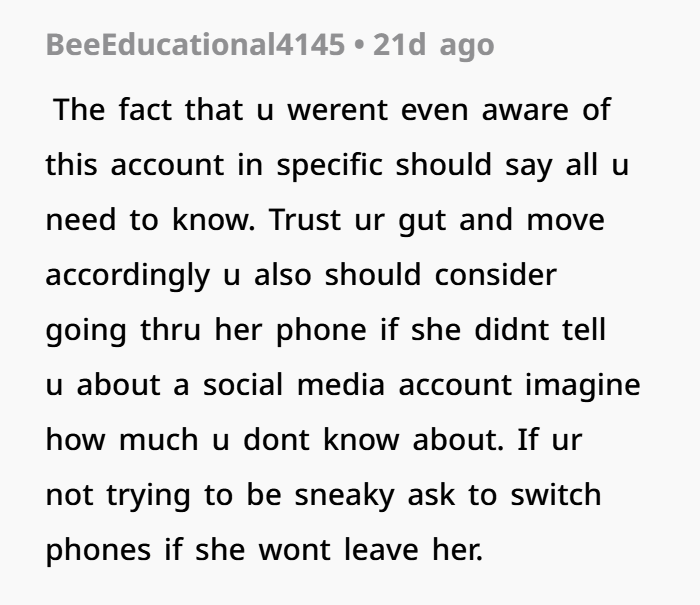
The Comments Are In
Final Thoughts
This is not just a story about a girlfriend posting online content.
It is a reminder that social media influence, online reputation, and digital behavior can slowly change how people act and speak.
But it also shows something important:
People can recognize their mistakes, reflect on their behavior, and choose to change.
And in many relationships, that ability to self-correct matters more than the mistakes themselves.