My Boss Told Me Not to Use My Feeding Pump at Work… Am I Overreacting?
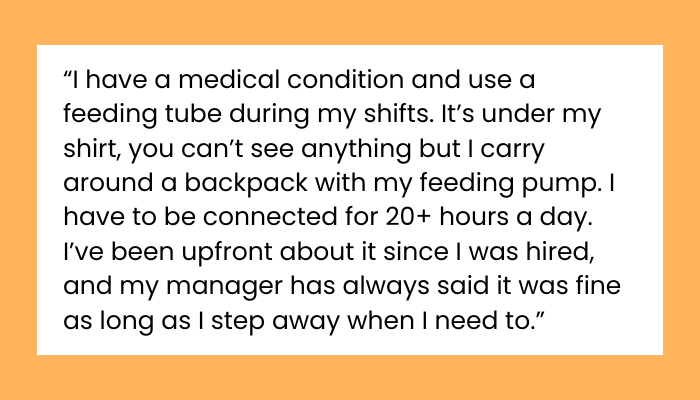
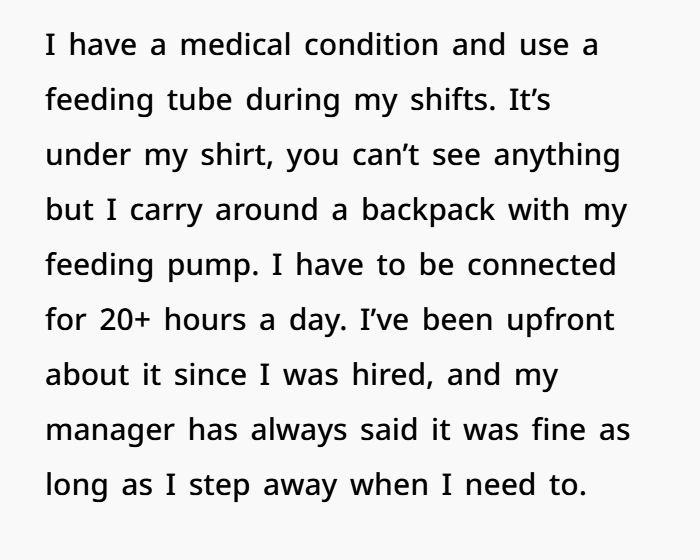
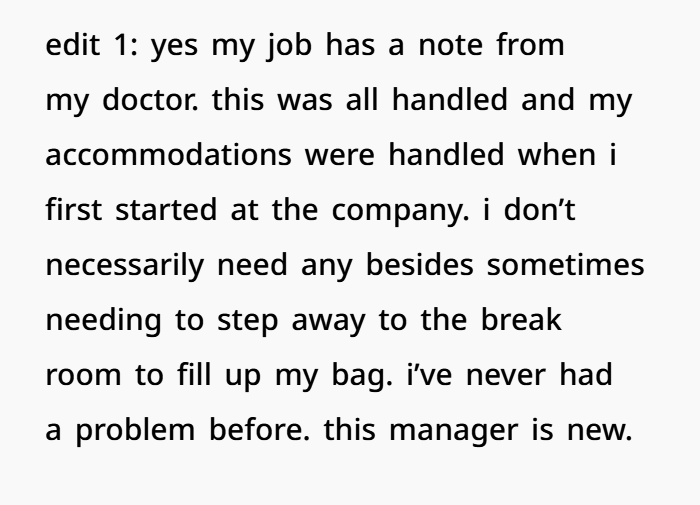
A 21-year-old woman who has a medical condition uses a feeding tube pump while working. Her employer was already aware of her situation, and it has never caused any major issues. The device is discreet, stays under her clothing, and only needs short adjustments when necessary.
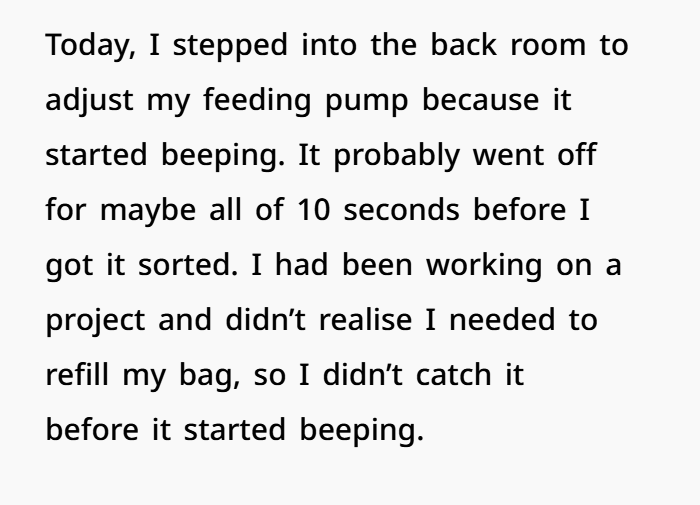
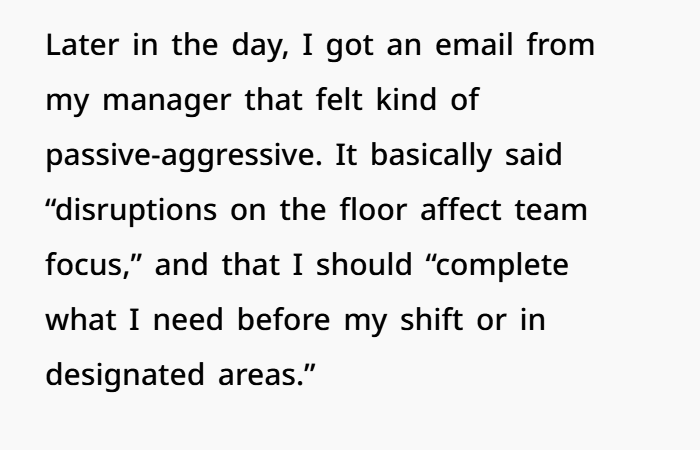
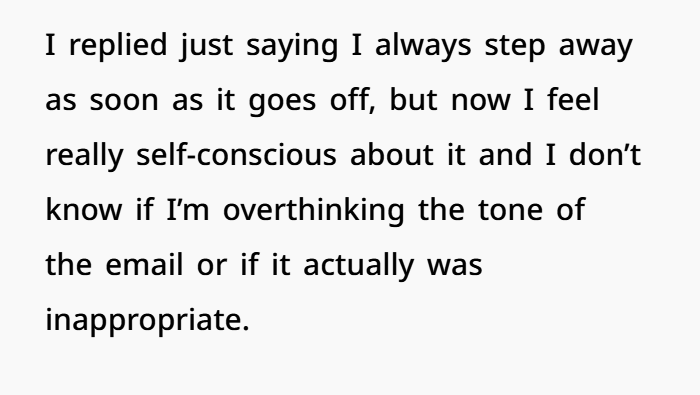
At work, everything was going smoothly until a new manager joined the team. One day, a short 10-second alarm from the device led to a message from the manager. The message described it as a “workplace disruption” and suggested that she should manage it outside of work hours. This made the situation feel uncomfortable for her.
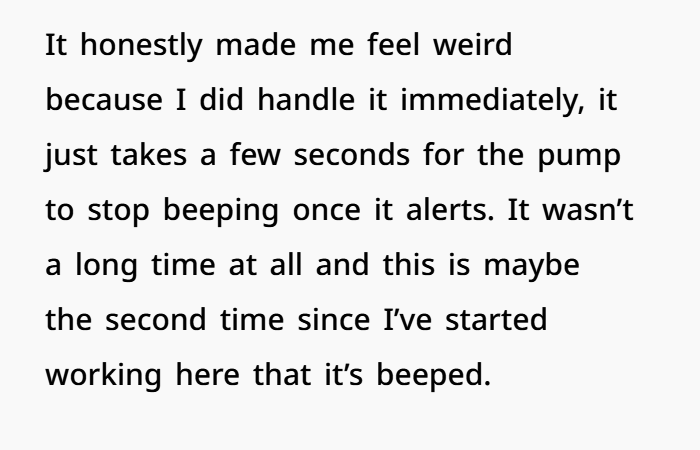
From her side, she believes she handled everything properly. She stepped away briefly, fixed the issue quickly, and did not disturb others in the workplace. The situation was rare and did not affect her job performance or coworkers. However, the tone of the message made her feel singled out for something related to her health condition.
Now she is unsure how to respond. She is wondering if this is simply a misunderstanding or if it could be a workplace accommodation issue. The situation raises concerns about employee rights, workplace discrimination, disability support at work, and whether proper medical accommodations are being respected in a professional environment.

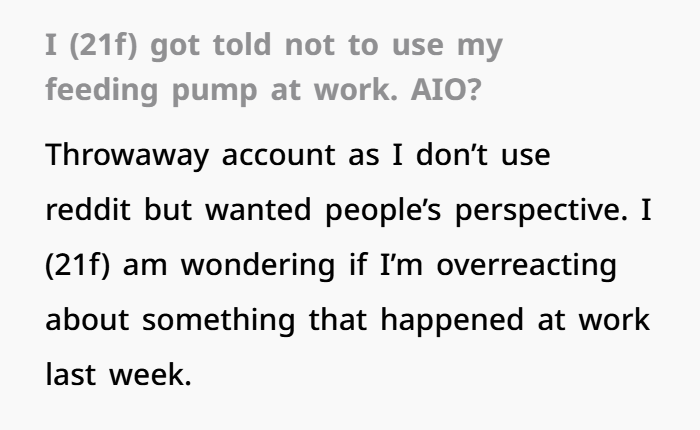
This situation is not just about one email. It is about workplace rights, medical needs at work, and employee protection under workplace accommodation rules.
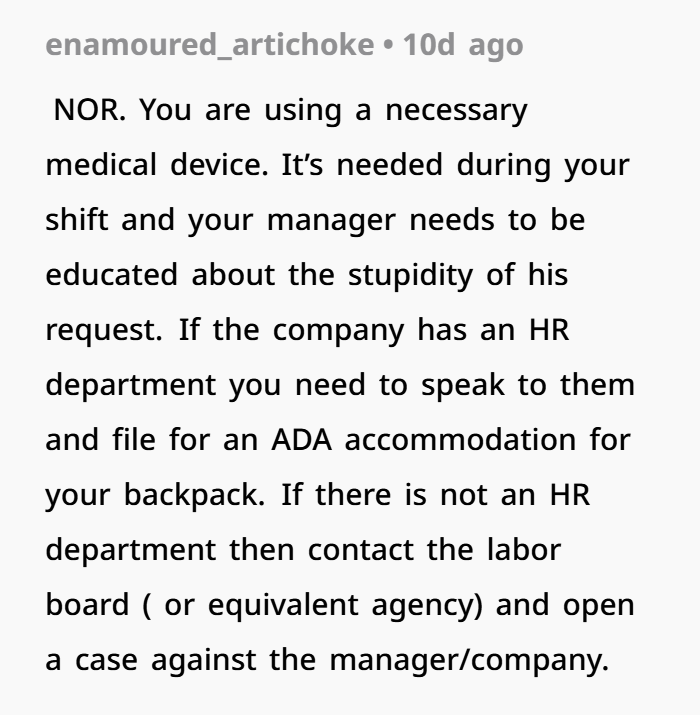
You are not overreacting
First of all, your reaction makes sense.
Your workplace already knows about your medical condition. That means they should support you, not question you when you use your medical device.
This falls under basic employee rights and workplace accommodation policies in many companies.
What actually happened
You used your feeding pump at work. It beeped for a few seconds, and you stepped away to handle it.
That is normal and responsible behavior.
Medical devices like a feeding pump are part of medical care at work, and they cannot always be controlled by schedule. They alert you when needed.
So saying you should only manage it “before work” does not fit real medical needs.
Why the email felt wrong
The email mentioned “disruptions affecting focus,” but did not clearly mention your medical situation.
This kind of wording can feel:
- indirect
- passive-aggressive
- unfair
- like blame without a direct conversation
In workplace communication, unclear messages like this can create stress for employees.
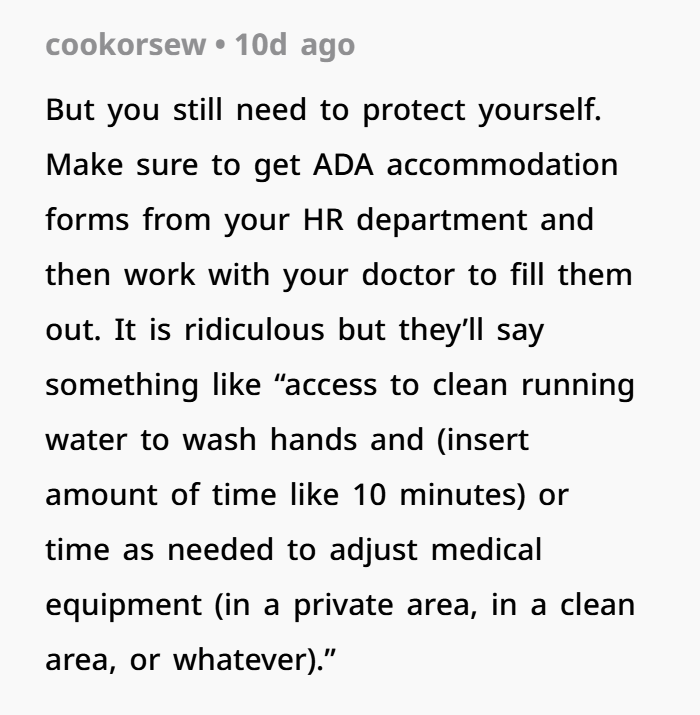
Medical needs are protected in many workplaces
Once an employer knows about a medical condition, they are usually expected to provide reasonable workplace accommodations.
That can include:
- using medical equipment at work
- stepping away briefly when needed
- managing health conditions safely during shifts
A feeding pump is not optional. It is part of your health care.
New manager situation
The manager is new, which may explain part of the issue.
Sometimes new managers:
- do not fully understand existing accommodations
- focus too much on rules and productivity
- miss important medical context
This does not excuse the email, but it may explain the misunderstanding.
Why the wording matters
Calling a 10-second beep a “disruption” feels exaggerated.
In most workplaces:
- phones ring
- people talk
- machines make noise
So a short medical alert is usually not considered a real problem in normal workplace environment standards.
Emotional impact on you
This situation can make someone feel:
- self-conscious
- stressed
- worried about using medical equipment
- like they are causing problems
This is important because people should never feel unsafe managing their health at work.
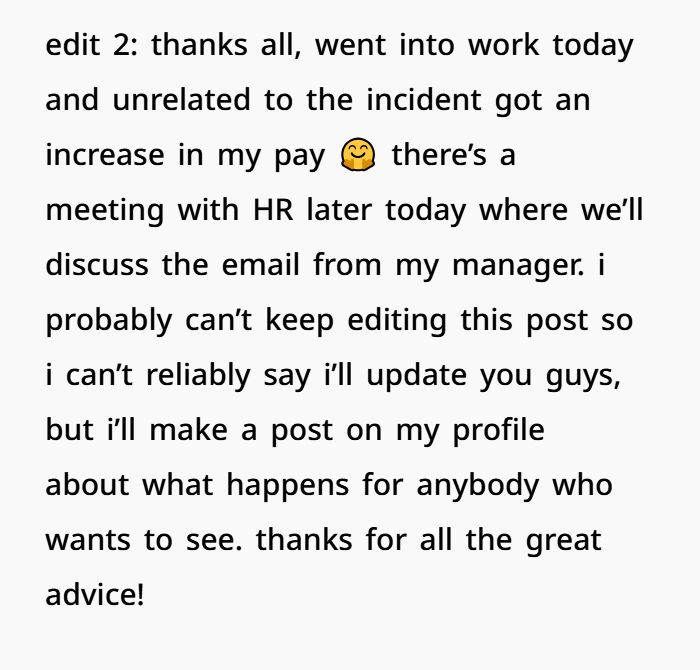
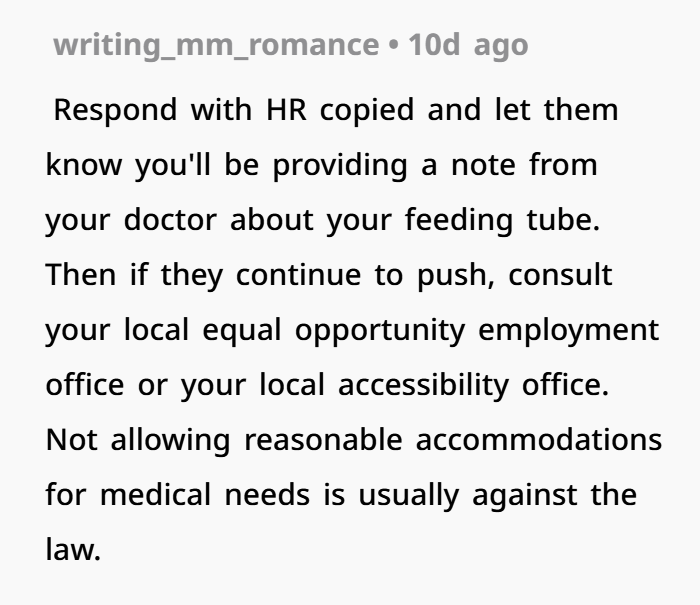
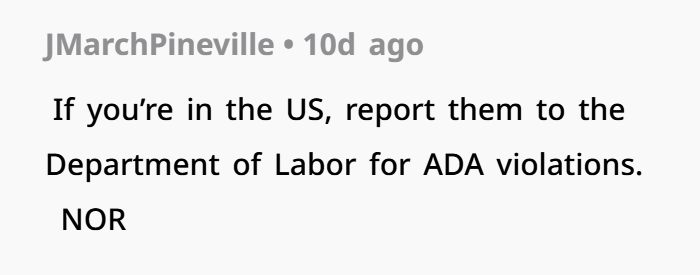
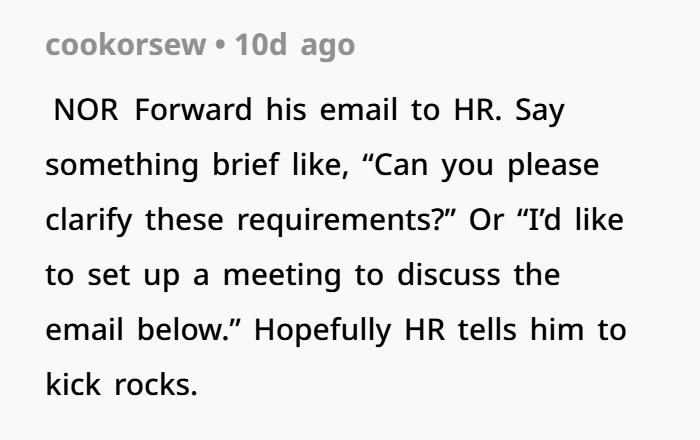
HR involvement is a good step
HR being involved is actually positive.
It can help:
- document your medical accommodation
- clarify workplace rules
- inform the new manager properly
- prevent future misunderstandings
This is part of normal HR workplace support and employee rights process.
How to approach the HR meeting
When you talk to HR, keep it simple and factual:
- You have a medical condition
- You use a feeding pump as needed
- You followed proper procedure by stepping away briefly
- The issue was handled quickly
Focus on facts, not emotions.
You can also calmly explain that the email made it feel like your medical needs were being treated as a disruption.
Why this matters
This situation is sometimes called micro-discrimination in the workplace.
It is not always direct or obvious. It can show up as:
- tone of emails
- wording choices
- subtle pressure about medical needs
Even small things can create stress over time.
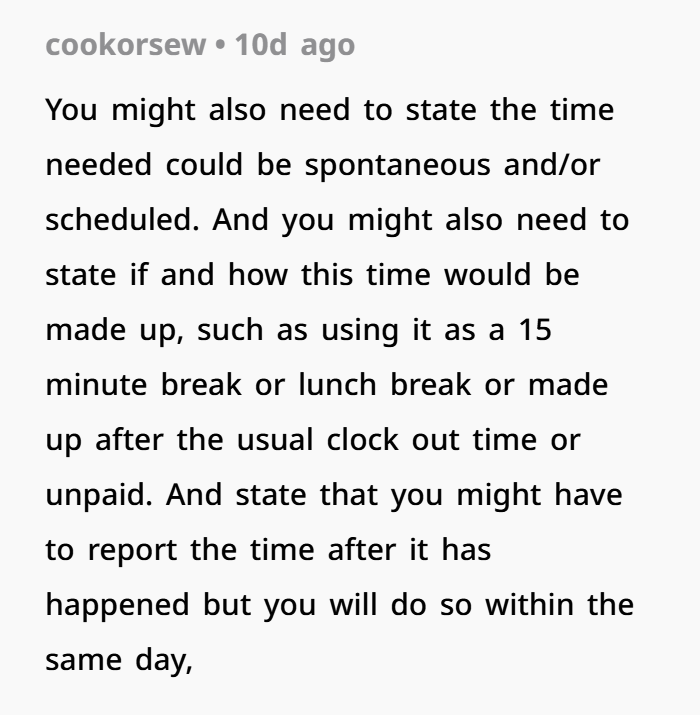
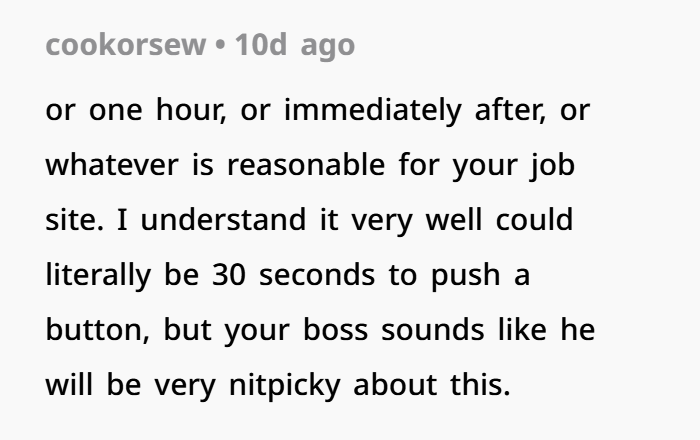
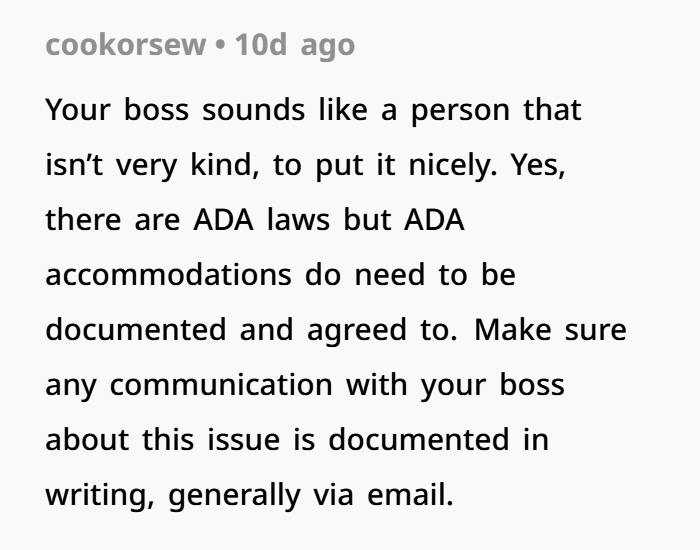
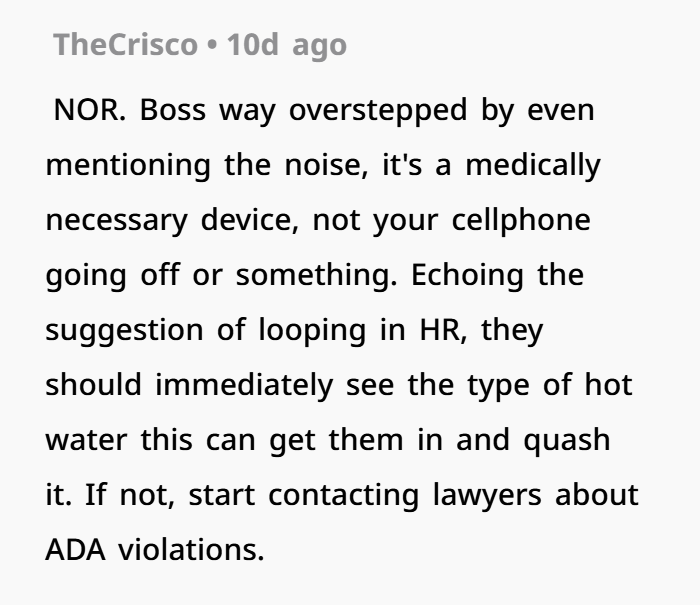
The Comments Are In
Final thoughts
This is not about poor performance or ignoring rules.
It is about workplace accessibility, medical accommodation rights, and respectful communication.
You should not feel pressured or guilty for managing your health during work hours.
A safe and fair workplace should understand that medical care is not a disruption—it is a necessity.