My In-Laws Offered Us Their $2 Million House Rent-Free — So Why Am I Hesitating?

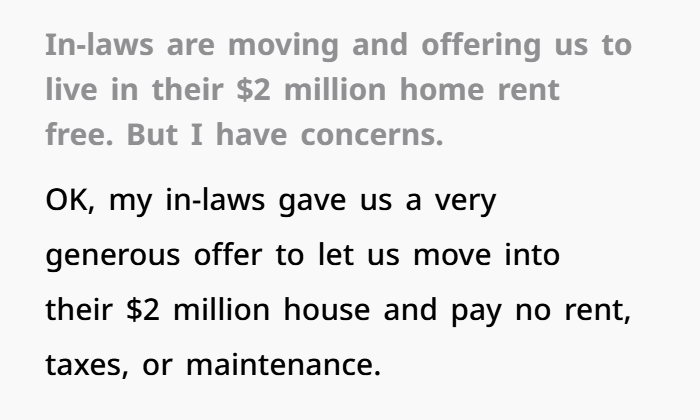
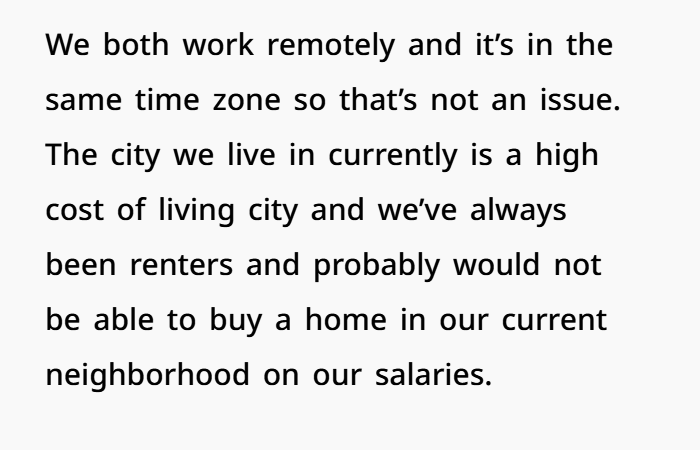
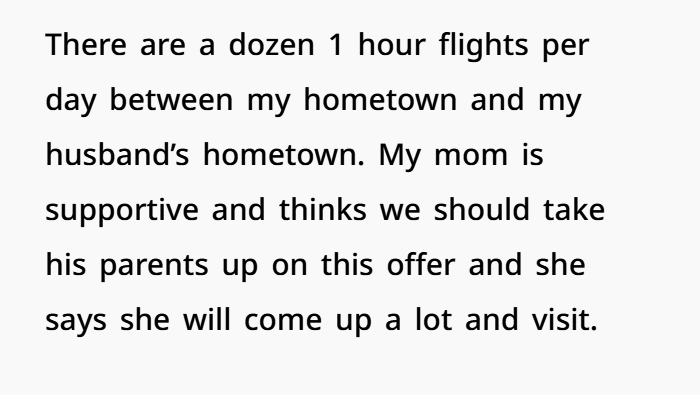
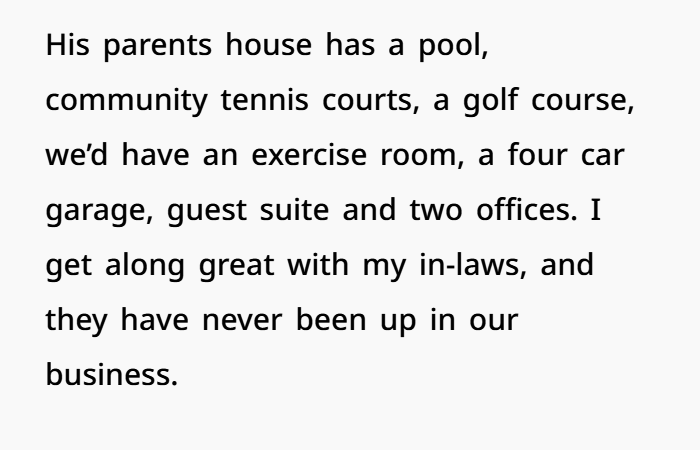
A couple has been given a rare housing opportunity. They can move into a $2 million home in a gated neighborhood without paying rent, property taxes, or maintenance expenses. They currently live in a high-cost city, where buying a similar property would likely be difficult on their current income.
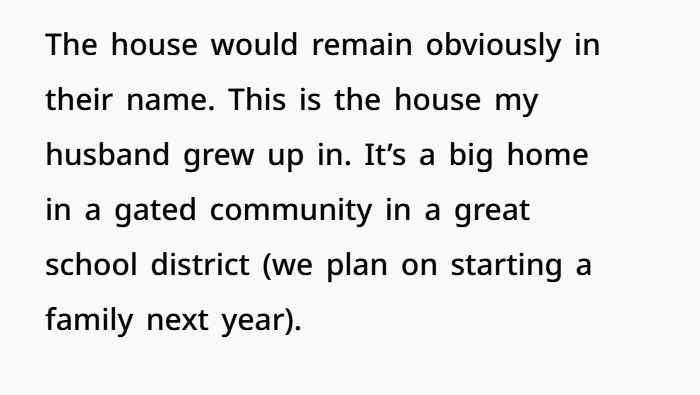
Financially, the move could offer major savings. Instead of spending money on monthly rent or a mortgage payment, they could have more room in their household budget for savings, investments, and other financial goals. The home also has more space, useful amenities, and access to a strong school district, which could be helpful because they hope to have children.
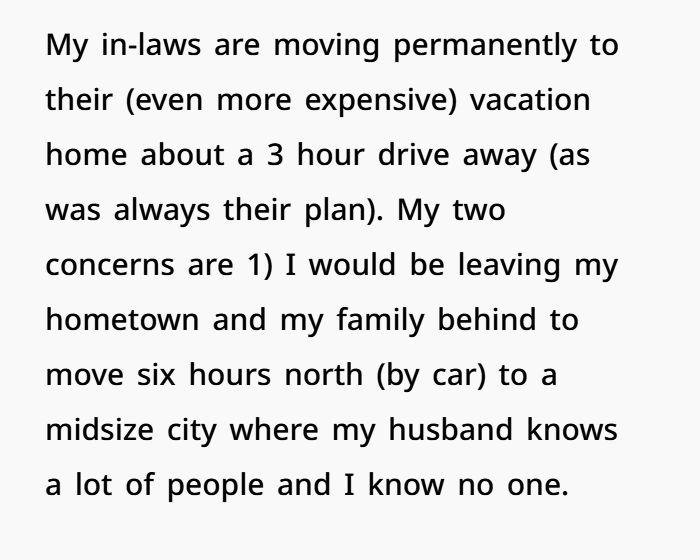
However, the wife is not sure the financial benefits are enough. Moving would put her six hours away from her own family and support network. Her husband would be returning to his hometown, where he already knows people, while she would need to start fresh in a new community.
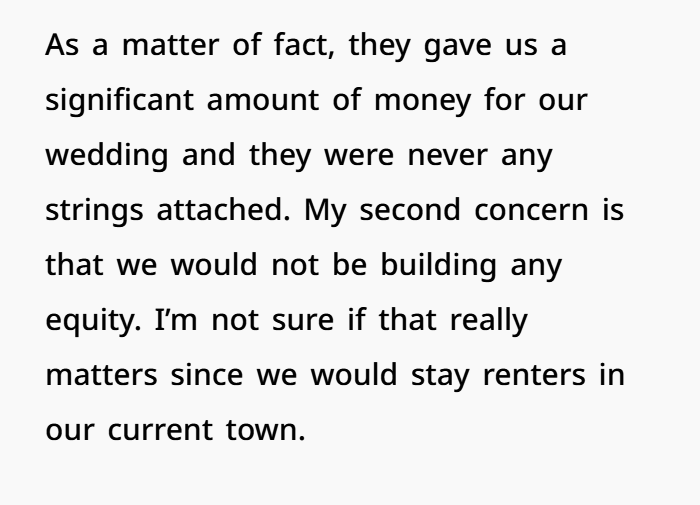
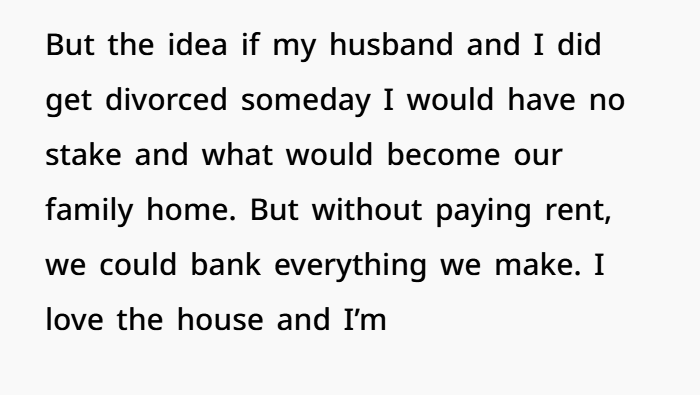
She is also thinking about long-term homeownership and financial security. The expensive property would still belong to her husband’s parents. Although her husband is an only child and may inherit it one day, future inheritance is not guaranteed ownership today. She wants to understand what living there could mean for her own finances, especially because she would not be building equity in a property owned in her name.

Why Free Housing Still Needs Smart Financial Planning
Living in a house without paying rent sounds like an amazing financial opportunity. And in many cases, it can be.
But “free housing” does not mean a couple can stop thinking about money.
The biggest mistake would be looking at the choice as simply free housing versus paying rent. There are bigger questions about savings, investing, home ownership, financial security, and long-term wealth.
If the couple handles the opportunity carefully, living rent-free could help them build a much stronger financial future.
Free Housing Can Save a Huge Amount of Money
Housing is one of the largest monthly expenses for many families.
If a couple normally pays several thousand dollars each month for rent, removing that expense could free up a large amount of money every year.
That money could go toward an emergency fund, retirement savings, investments, future home ownership, or other financial goals.
But there is one important condition.
They actually need to save and invest some of the money.
If they move into a free house and simply increase their everyday spending, they may lose much of the financial benefit.
You Can Build Wealth Without Owning Your Home
One concern is that living in someone else’s house means the couple will not build home equity.
That is true. Paying rent or living rent-free does not create ownership in the property.
However, real estate equity is not the only way to build wealth.
A homeowner may build equity by making mortgage payments over many years. Someone with very low housing costs can take a different approach by regularly investing the money they are saving.
For example, imagine the couple would normally spend $4,000 each month on housing.
If they invested $4,000 every month for 10 years and earned an average hypothetical return of 6% per year, the account could grow to roughly $655,000.
Actual investment returns can be higher or lower, and losses are possible. The example simply shows how regular investing can become powerful over a long period.
The House Should Not Be Treated as Their Asset
There is another important issue.
The house belongs to the husband’s parents. Living there does not automatically mean the couple owns it.
The husband may also expect to inherit the property one day. However, a future inheritance should not be treated like money or real estate the couple already owns.
Estate plans and family circumstances can change.
Parents may decide to sell a property. They may need money for retirement, healthcare, or long-term care. They may change their estate plan or decide to use their assets differently.
For good financial planning, a possible inheritance is usually better viewed as a future bonus rather than something a household depends on today.
Inheritance Can Also Raise Legal Questions
The wife’s concern about her own financial security is worth taking seriously.
In the United States, inheritance and marital property rules can vary by state and individual circumstances. In some situations, inherited assets may remain separate property rather than becoming an asset owned equally by both spouses.
Because these rules can be complicated, the couple should not assume that the wife would automatically have an ownership interest in a house her husband may inherit.
If this question is important to their financial future, speaking with a qualified local attorney or financial professional could help them understand the rules that apply to them.
The goal is not to expect the marriage to fail.
It is simply sensible financial planning for both spouses to understand what they own and how their finances are structured.
Build Wealth Outside the House
The simplest way to reduce this concern is to build assets that do not depend on the house.
Instead of spending all the money they save on housing, the couple could create an automatic monthly savings plan.
Depending on their financial situation, that money might go toward retirement accounts, diversified investments, emergency savings, or a future down payment.
For example, if they save $4,000 in monthly housing costs, they do not necessarily need to invest every dollar.
They could create a household budget that divides the savings between investing, retirement planning, cash reserves, family expenses, and other long-term goals.
This would allow them to enjoy the benefits of free housing while still building financial independence.
Find Out What “Rent-Free” Really Includes
Before moving, the couple should also understand exactly what the offer includes.
There may be no monthly rent, but houses still have expenses.
They should discuss costs such as utilities, repairs, landscaping, maintenance, renovations, and other property expenses.
They should also know what would happen if the owners wanted to sell the house or use it differently in the future.
A simple written agreement can help everyone understand the arrangement.
Depending on the property and local laws, getting advice from an appropriate real estate attorney may also be useful.
Clear expectations can prevent small money questions from becoming family disagreements later.
Don’t Forget the Cost of Moving
There is also a personal side to this decision.
The wife would be leaving a city where she already has family, friends, and a support system.
Her husband would be returning to an area he already knows.
That difference matters, especially if they plan to have children.
Family support can be extremely valuable for new parents. Having a trusted relative nearby may help with childcare, busy schedules, family emergencies, and everyday life.
A relative who lives several hours away may still visit regularly, but that is different from having someone nearby when unexpected help is needed.
The financial savings from the house should therefore be considered alongside the social cost of moving.
She Needs a Life There Too
If they decide to move, it will be important for the wife to build her own life in the new location.
That could mean making friends, finding activities she enjoys, developing professional connections, and creating her own routines.
Otherwise, she may feel like she has moved into her husband’s old life instead of building a new life together.
A free house is valuable, but feeling comfortable and independent in your community also matters.
The In-Laws’ Behavior Is a Positive Sign
One detail makes this offer more comfortable than some family housing arrangements.
The husband’s parents appear to be generous without trying to control the couple’s daily life.
That matters.
Free housing can become stressful when family members use property ownership to control decisions or create unwanted conditions.
If the parents genuinely respect the couple’s privacy and independence, the arrangement has a much better chance of working.
Still, clear expectations are useful even when everyone has a great relationship.
The Bottom Line
Taking the free housing offer could be a very strong financial move.
But the couple should think of the money they save as the real financial opportunity. They should not think of the house as an asset they already own.
If they move, they can use the lower housing costs to build emergency savings, retirement accounts, investments, and other assets that provide long-term financial security.
They should also understand the property arrangement, plan for ongoing expenses, and avoid depending on a future inheritance.
Just as importantly, the wife needs to feel that the move gives her a future of her own, not simply a place inside her husband’s existing family life.
Handled carefully, this opportunity could give the couple something extremely valuable while they build a family: dramatically lower housing expenses and more room in their budget to save, invest, and build long-term wealth.
The Most Honest Comments