My Roommate Keeps Taking My Clothes While I Sleep — Was Locking My Door Too Much?
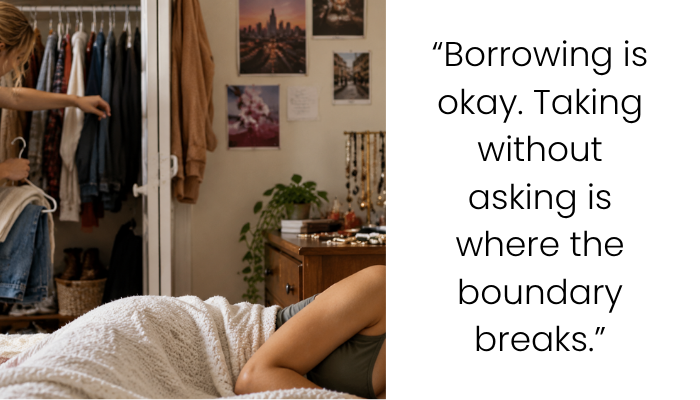
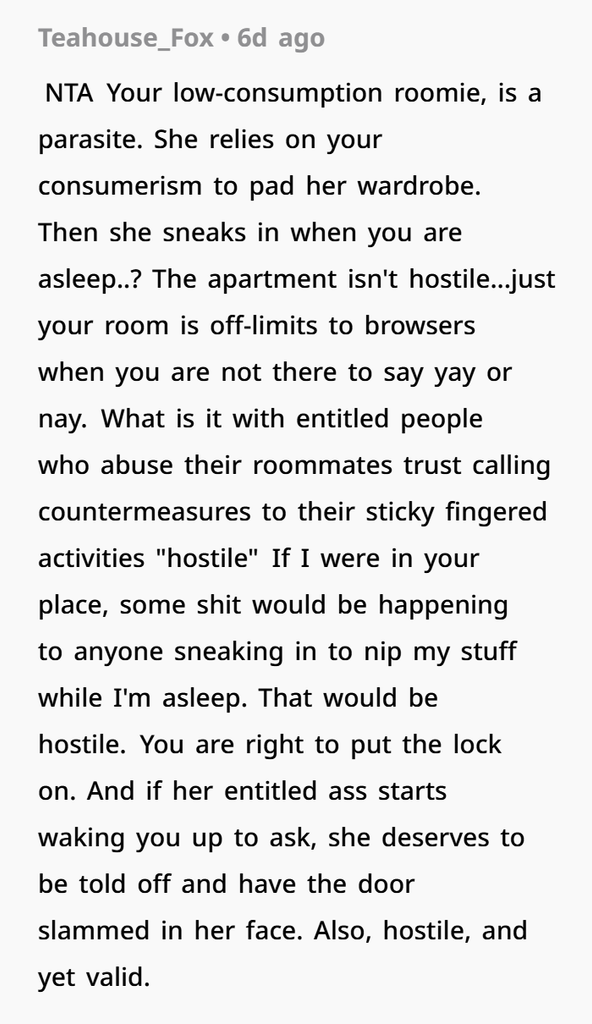
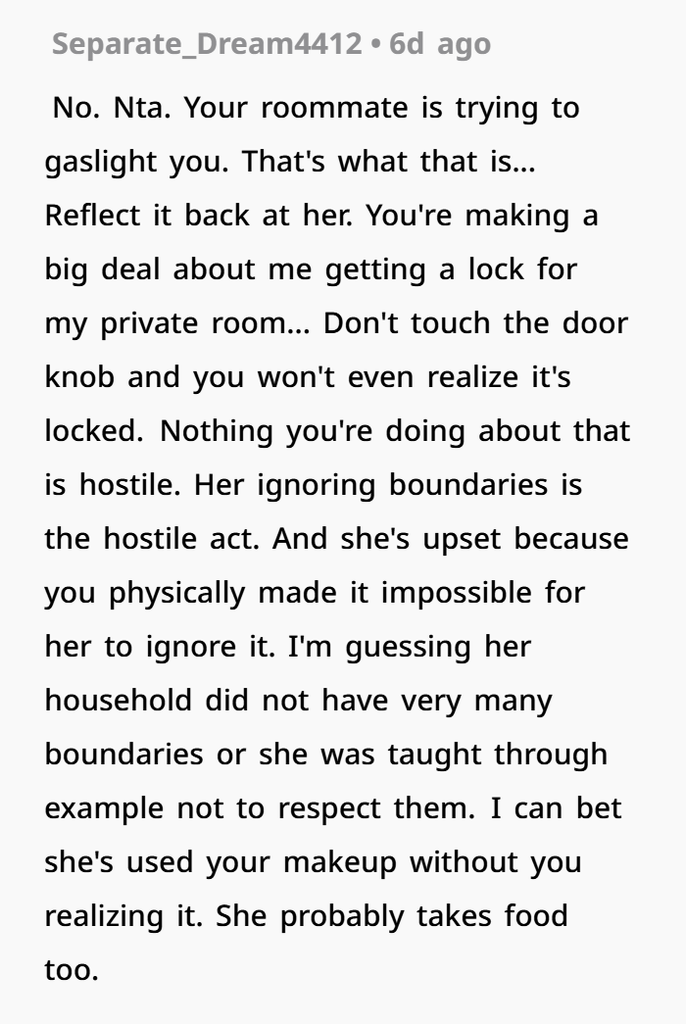
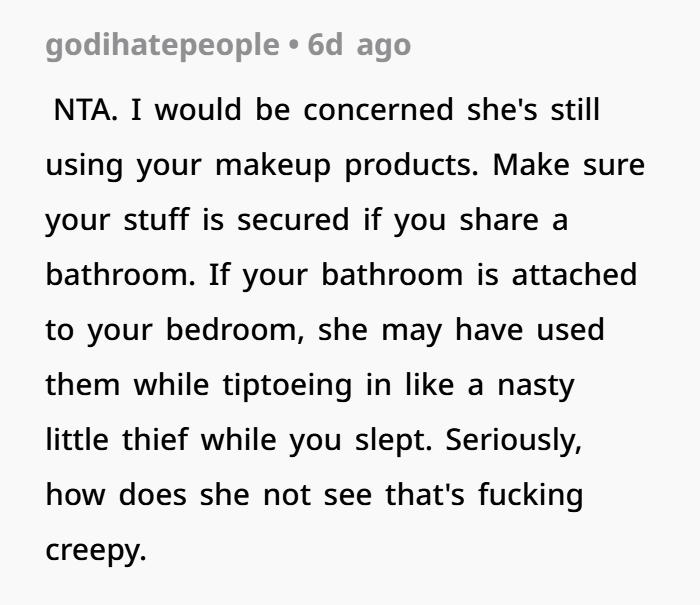
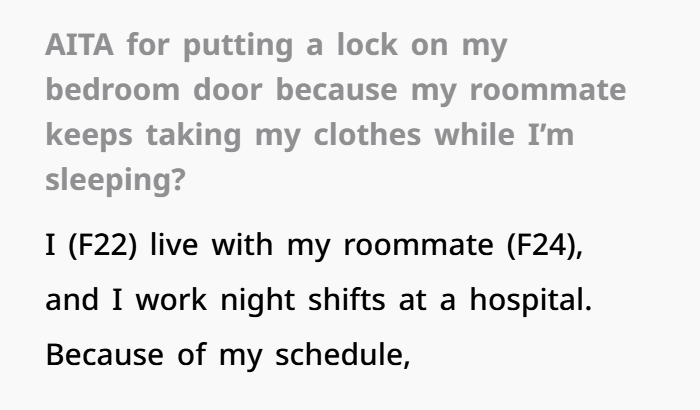
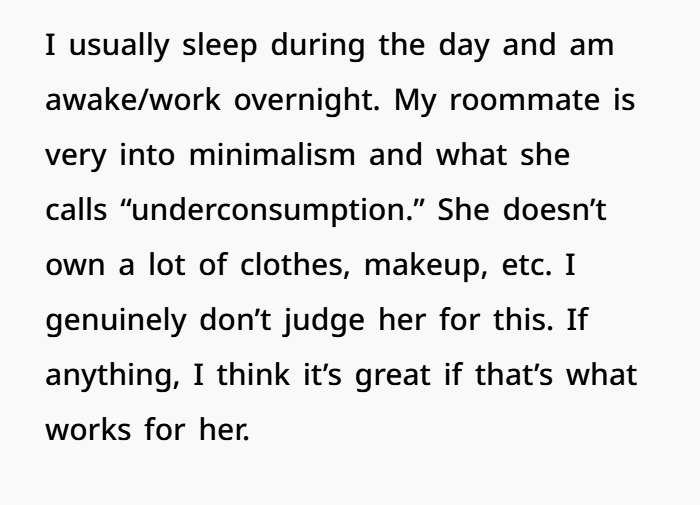
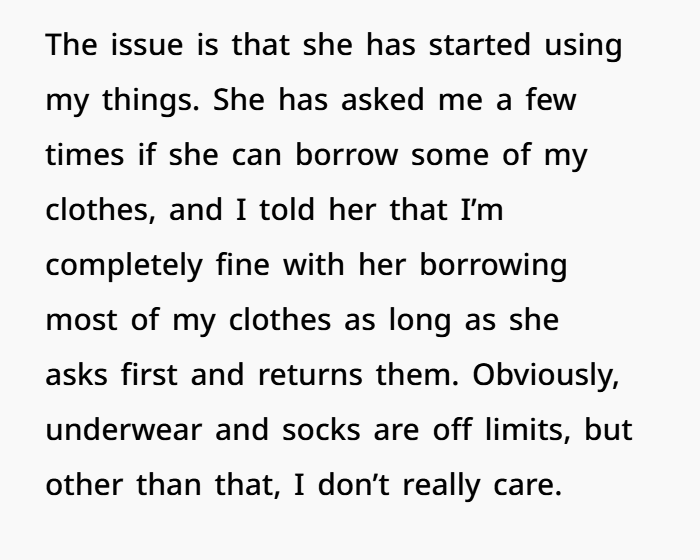
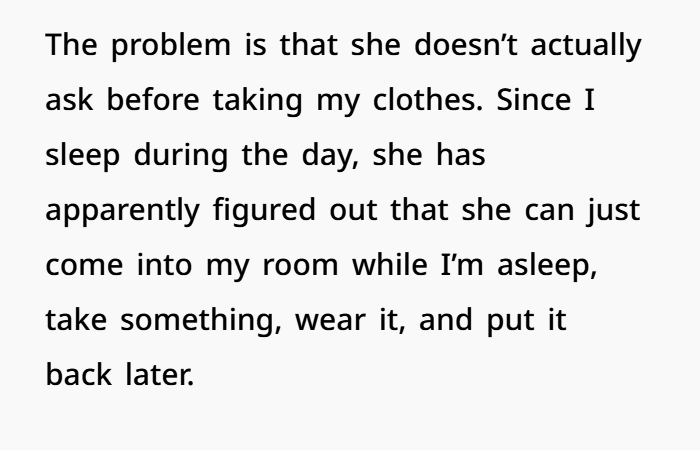
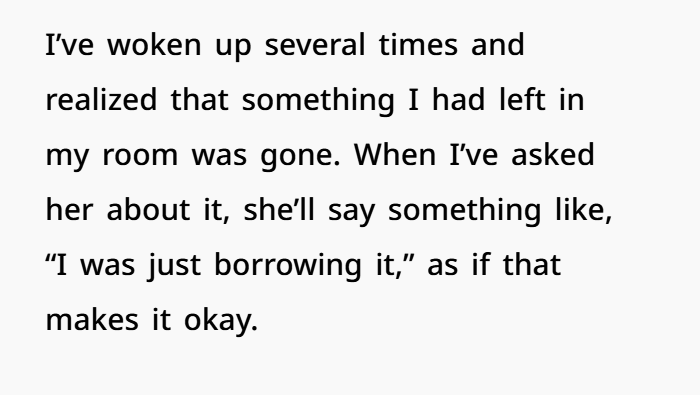
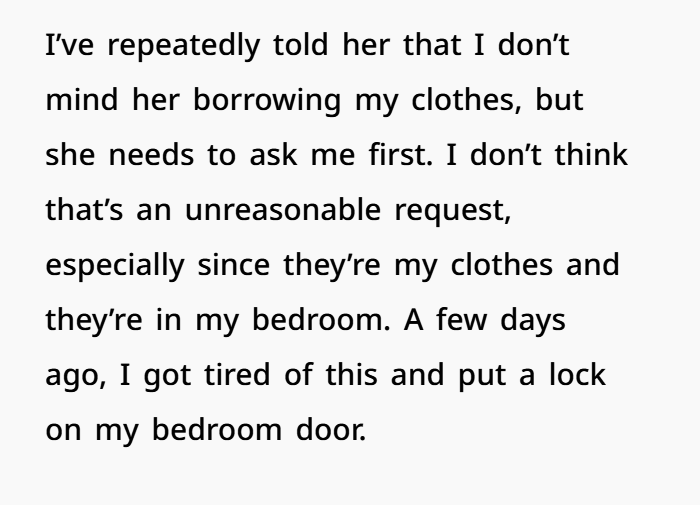
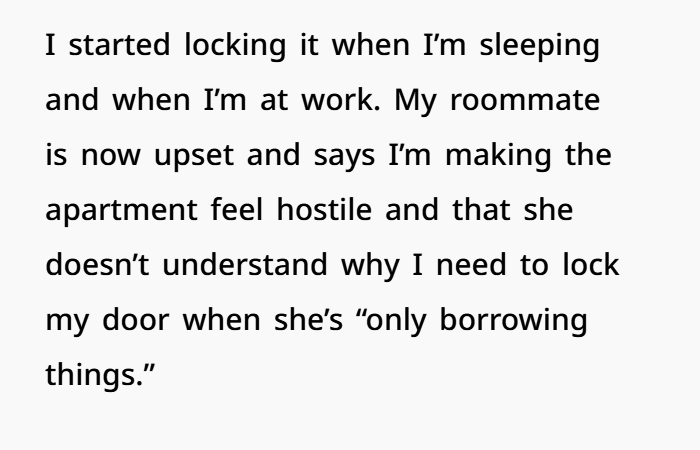
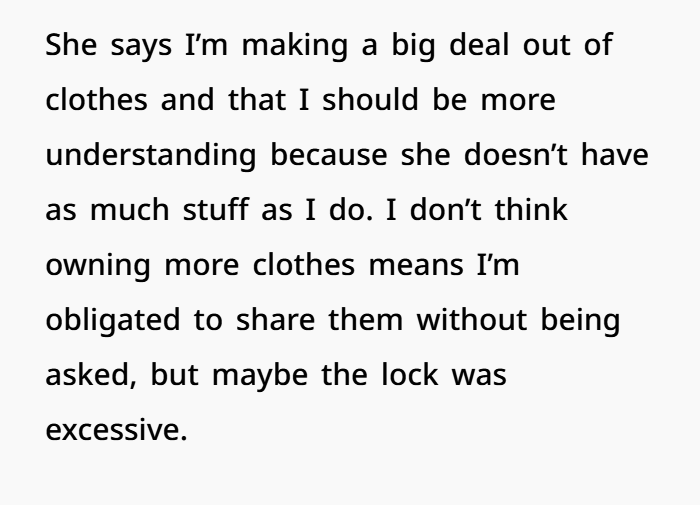
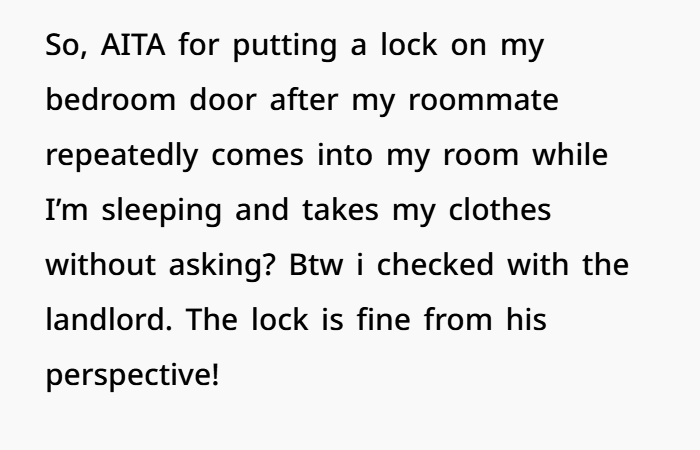
A young hospital employee shared why she chose to install a lock on her bedroom door while living with a roommate. She says the decision came after repeated situations where her roommate entered her room without permission and borrowed clothes without asking.
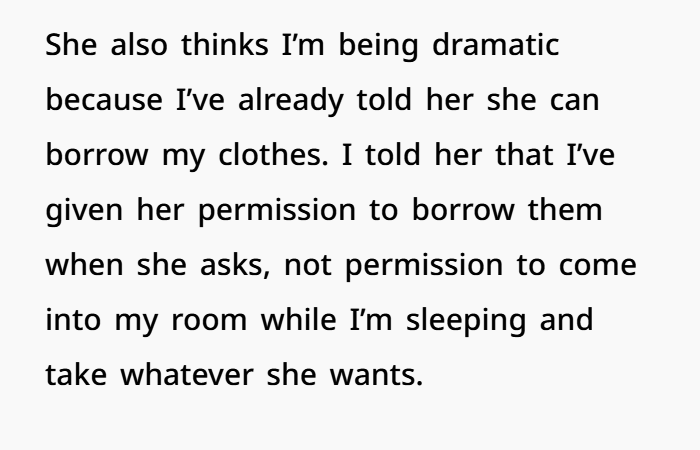
She explains that she is happy to share certain things when there is proper communication. However, she feels that personal items and private spaces should always be respected. For her, asking before using someone’s belongings is an important part of living together.
Working night shifts means she sleeps during the daytime, making privacy even more important. She says finding out that someone was entering her room while she was asleep made her feel uncomfortable and concerned about her personal boundaries.
The situation became difficult because previous conversations did not lead to changes. Her experience highlights the importance of trust, consent, and respectful communication when sharing a home with others.


Why Roommate Boundaries Matter More Than Borrowed Clothes
Living with a roommate can be a positive experience. It can help reduce living expenses, provide companionship, and make daily life easier.
However, sharing a home also comes with challenges. One of the biggest challenges is learning how to respect personal space, privacy, and belongings.
Sometimes, roommate disagreements are not really about the item causing the argument. They are about trust, communication, and whether both people feel respected.
The Real Problem Is Not Always the Item
A conflict about clothes may seem small, but the bigger issue is often about personal boundaries.
Many roommate problems start with simple things:
- Using someone’s food without asking
- Borrowing personal items without permission
- Entering a bedroom without checking first
- Using household items in a way the other person does not agree with
The item itself may not be the main problem. The problem is the feeling that someone’s wishes are being ignored.
Healthy roommate relationships depend on clear rules and mutual respect.
Why Personal Boundaries Matter in Shared Housing
When people live together, they often have different ideas about what is acceptable.
One person may think sharing things is normal. Another person may prefer asking before using anything.
Neither person is wrong for having their own preference. The important part is creating an agreement that works for both roommates.
A clear boundary might sound like:
“You can borrow my clothes, but please ask first and return them when you are done.”
This is different from saying:
“You can use my clothes anytime.”
The first statement creates a system of permission. The second one gives unlimited access.
Understanding this difference can prevent many roommate conflicts.
Permission Does Not Mean Unlimited Access
Giving someone permission to borrow something does not always mean they can use it whenever they want.
For example, a person may allow a friend to borrow their car sometimes. That does not mean the friend can take the car anytime without asking.
The same idea applies to clothes, personal items, and private belongings.
Respecting someone’s belongings means understanding their limits, even if the item seems small or replaceable.
Why Clothing Can Feel Personal
Some people may wonder why someone would be upset about sharing clothes.
For many people, clothing is more than just fabric. Clothes can represent:
- Personal style
- Comfort
- Money spent
- Personal choices
- A sense of identity
Someone may carefully choose their wardrobe and want control over how their items are used.
A person has the right to decide who uses their belongings and when.
Different Lifestyles Can Exist Together
Sometimes roommate disagreements happen because people have different lifestyles.
One person may enjoy owning fewer things and following a minimalist lifestyle. Another person may enjoy having a larger collection of clothes or personal items.
Minimalism is a personal choice. Many people enjoy having fewer belongings because it helps them feel organized and focused.
However, choosing a simple lifestyle does not mean someone else’s belongings become available to use without permission.
People can live together successfully even when they have different habits and preferences.
Why Bedroom Privacy Is Important
A bedroom is usually the most private area in a shared home.
Even with close friends or roommates, entering someone’s bedroom without permission can create discomfort.
This becomes even more important for people who work night shifts or have unusual sleep schedules.
Everyone deserves to feel safe and comfortable in their own home.
Having control over personal space can help people relax and feel more secure.
Why Setting Physical Boundaries Can Help
Sometimes people try to solve roommate problems by talking first.
Communication is usually the best place to start. But if a person’s requests are repeatedly ignored, they may need stronger boundaries.
Examples of practical roommate solutions include:
- Locking a bedroom door
- Creating separate storage spaces
- Labeling personal items
- Making clear roommate agreements
These actions are not always meant to punish someone. Sometimes they are simply ways to create a comfortable living environment.
Intentions and Impact Are Different
One common reason roommate conflicts continue is that people focus only on their intentions.
A roommate may think:
“I am only borrowing something and returning it.”
They may not mean to cause harm.
However, the other person may feel:
“My personal space and belongings are not being respected.”
Both things can be true. Someone may have good intentions while their actions still create a negative impact.
Understanding this difference can help people solve conflicts more effectively.
How Roommates Can Prevent Future Problems
Good communication can prevent many shared housing problems.
Roommates should discuss important questions early:
- Are bedrooms private spaces?
- What items can be borrowed?
- Which belongings are personal?
- How much notice is needed before using something?
- How should disagreements be handled?
Clear expectations help avoid misunderstandings.
Many roommate issues happen because people assume they have the same rules, but they actually have different ideas about sharing.
Rebuilding Trust After a Boundary Problem
When personal boundaries are ignored, trust can become weaker.
The solution is not always a big argument. Sometimes it starts with a simple conversation and a willingness to understand each other.
Both roommates may need to recognize that living together requires respect.
A roommate does not have to agree with every boundary. They only need to respect it.
Final Thoughts
The disagreement over clothes is really about something much bigger: privacy, respect, and personal boundaries.
Sharing a home does not mean sharing everything.
Two people can have different lifestyles and still live together peacefully when they understand each other’s limits.
A locked door is not always a sign of conflict. Sometimes it is simply a reminder that everyone deserves a space where they feel comfortable and respected.
Good roommate relationships are built on trust, communication, and understanding that another person’s belongings and personal space belong to them.
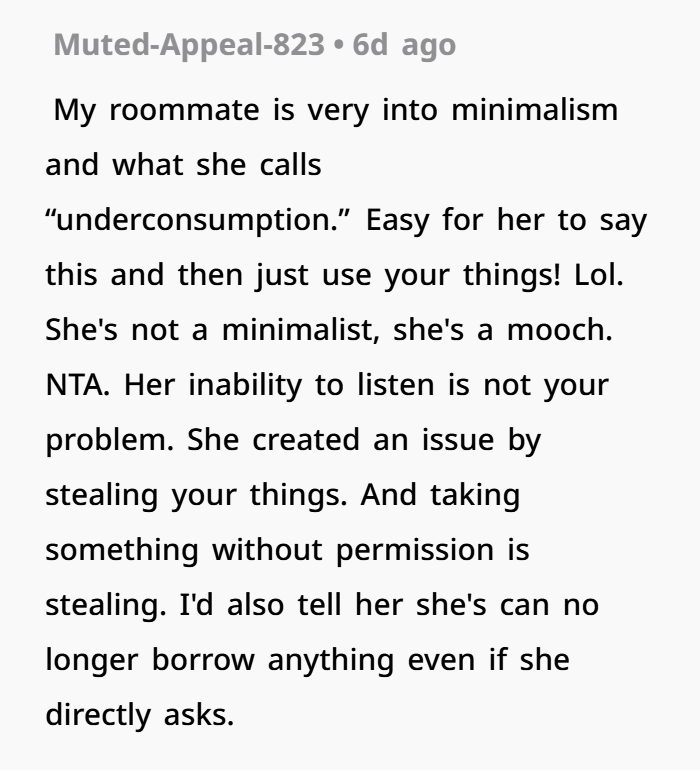
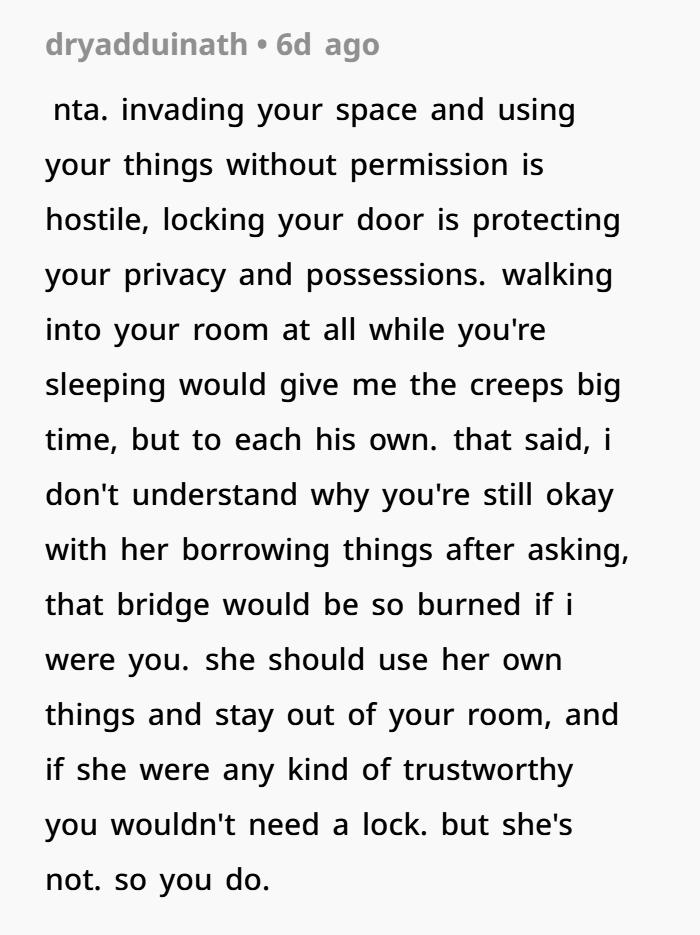
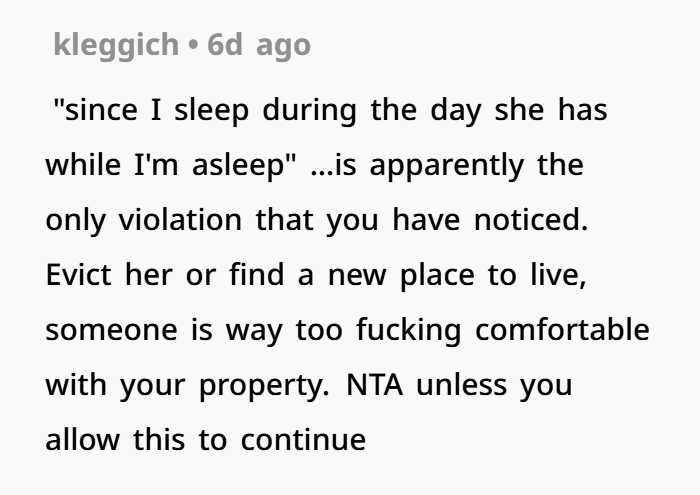
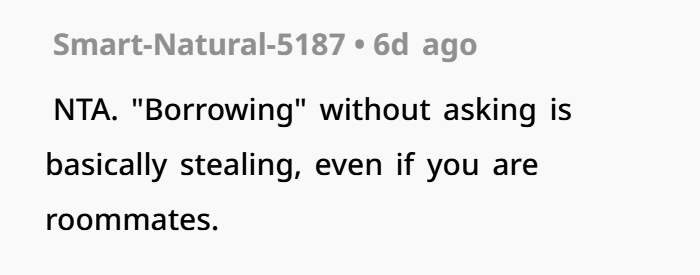
The Comments Are In