Seat Dispute on Delta Flight: A Lesson in Passenger Etiquette

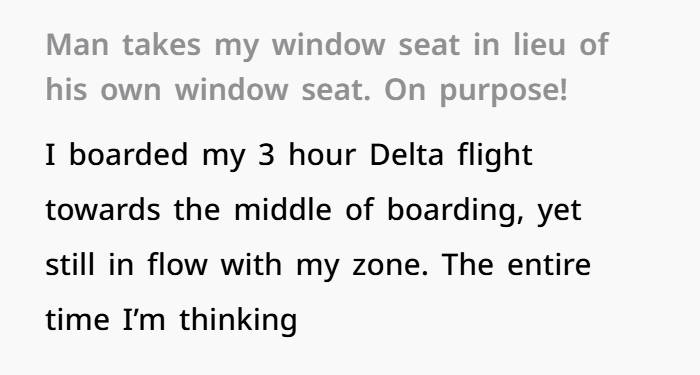
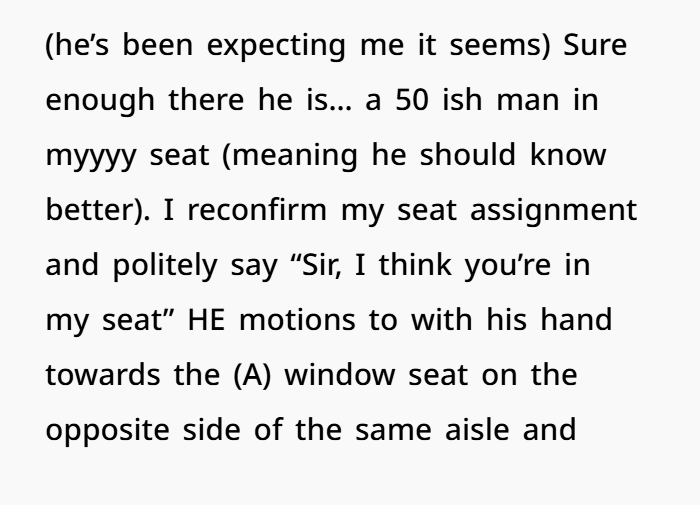
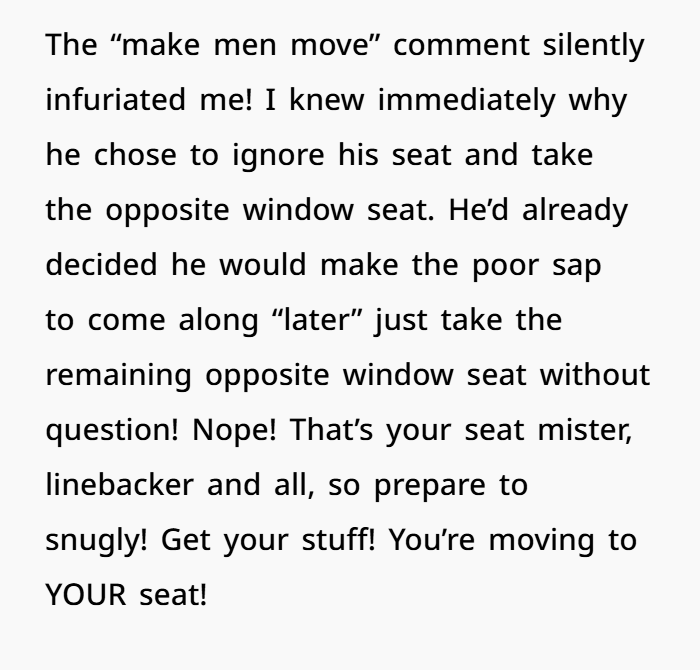
A passenger recently shared a frustrating experience during a flight with Delta Air Lines. After getting on the plane, she found that another passenger was sitting in her assigned window seat in the Comfort Plus section. Instead of apologizing or moving, the man calmly pointed her toward another window seat across the aisle.
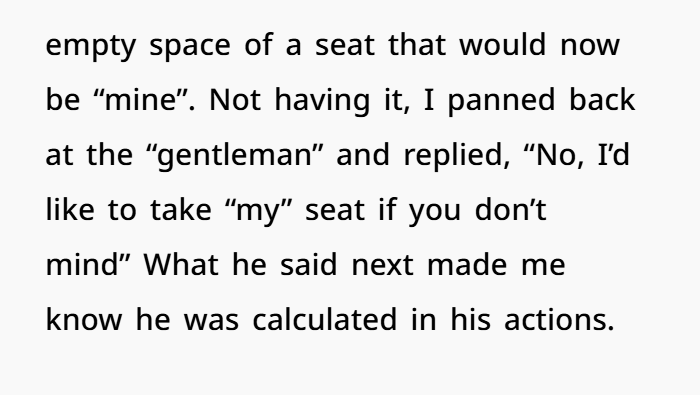
The new seat was not the same as the one she had selected. It was next to a passenger who needed more space, making the situation uncomfortable for her. The woman decided not to accept the seat change because she had already paid for and chosen her original seat. She politely stayed firm and asked the passenger to return to his assigned place.
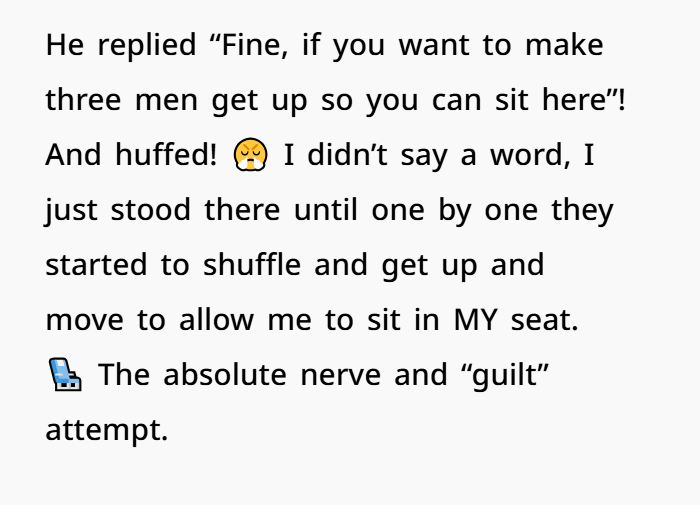
The situation became more uncomfortable when the man suggested that changing seats would require several people to move. His response made the woman feel that he expected her to solve a problem she did not create. The experience showed how important it is for travelers to respect assigned seating and other passengers’ choices.
Air travel can sometimes bring unexpected challenges, especially on busy flights where comfort and personal space matter. This story highlights the importance of good travel etiquette, passenger rights, and clear communication. Respecting seat assignments, following airline policies, and treating others with kindness can help make every journey more comfortable for everyone.
The author politely asked the man to occupy his own seat, to which he suggested she take his one instead


Why Your Assigned Airline Seat Matters: Simple Rules for Flight Etiquette
Flying can be stressful. Airports are busy, flights can feel crowded, and everyone has their own reason for choosing a specific seat. Some people prefer a window seat to enjoy the view or relax, while others choose an aisle seat because they need extra space or easier access.
That is why taking someone else’s assigned seat can create frustration. A seat on a plane is not just a random place to sit. It is part of the service a passenger paid for when booking their flight.
Your Airline Seat Is Your Choice
When passengers book flights with airlines, they often have the option to select their seats. Many travelers choose a seat based on their personal needs, such as comfort, location, or travel preferences.
A window seat, aisle seat, or extra legroom seat can make a big difference during a long flight. When someone takes that seat without permission, it can feel disrespectful because the passenger made a choice and paid for that specific service.
In most situations, passengers should sit in their assigned seats unless an airline employee asks them to move because of a flight change or operational issue.
Why Seat-Switching Can Become a Problem
Sometimes passengers ask others to switch seats for understandable reasons. For example, a parent may want to sit with a young child, or someone may need assistance from a travel companion.
However, problems happen when someone takes another person’s seat without asking or expects them to accept a change without a real discussion.
A common issue is when someone chooses a better seat and assumes the other passenger will simply agree. This can create an uncomfortable situation, especially when the person being asked to move feels pressured.
The Pressure to “Be Nice”
Many people avoid conflict during travel. Sitting on a plane means being close to strangers in a small space, so passengers often try to stay polite and avoid arguments.
Because of this, some people may feel uncomfortable speaking up when someone takes their seat.
However, asking a passenger to move back to their assigned seat is not rude. It is a normal part of protecting your travel plans and respecting airline seating rules.
Being polite does not mean giving up something you paid for.
How to Handle a Seat Dispute Calmly
If someone is sitting in your assigned seat, the best approach is to stay calm and respectful.
You can simply say:
“Excuse me, I believe this is my assigned seat.”
Many situations can be solved quickly with a simple conversation.
If the person refuses to move or creates a problem, you can ask a flight attendant for help. Airline staff are there to handle situations like seating issues and passenger concerns.
Why Flight Etiquette Matters
Air travel works best when passengers respect each other. Everyone on a plane is sharing a small space, so basic manners make the experience better for everyone.
Good flight etiquette includes:
- Sitting in your assigned seat
- Respecting other passengers’ personal space
- Keeping shared areas clean
- Being considerate with noise levels
- Following airline policies
These simple actions help create a more comfortable travel experience.
Standing Up for Yourself During Travel
Many people feel guilty when they have to correct someone else’s behavior. They worry about appearing unfriendly or causing trouble.
But protecting your seat assignment is not creating a problem. The problem started when someone ignored the agreed seating arrangement.
Travel should be comfortable and respectful for everyone. Passengers should feel confident asking for what they paid for without feeling embarrassed.
Airlines and Passenger Rights
Airlines provide seat selection options, upgrades, and different travel services to improve passenger comfort. Clear seating policies help avoid confusion and make flights run smoothly.
Passengers who experience problems with assigned seating can usually ask the airline crew for assistance. Flight attendants are trained to manage passenger concerns and help find solutions.
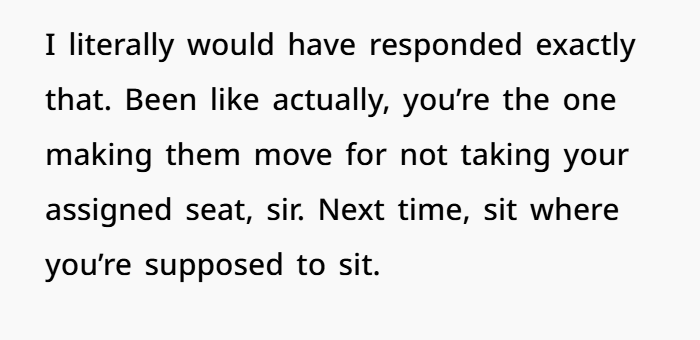
People in the comments praised the author for being so confident and for putting the entitled guy in his place


Final Thoughts
A plane seat may seem like a small thing, but it represents comfort, choice, and a service that a passenger paid for. Respecting assigned seats is a simple rule that helps everyone have a better travel experience.
Being kind and understanding is important, but kindness should not require someone to give up their own comfort or rights. Good travel etiquette means respecting other people’s choices while expecting the same respect in return.