Should I Take My Depressed Wife Back After She Left Me? My Struggle and Realization
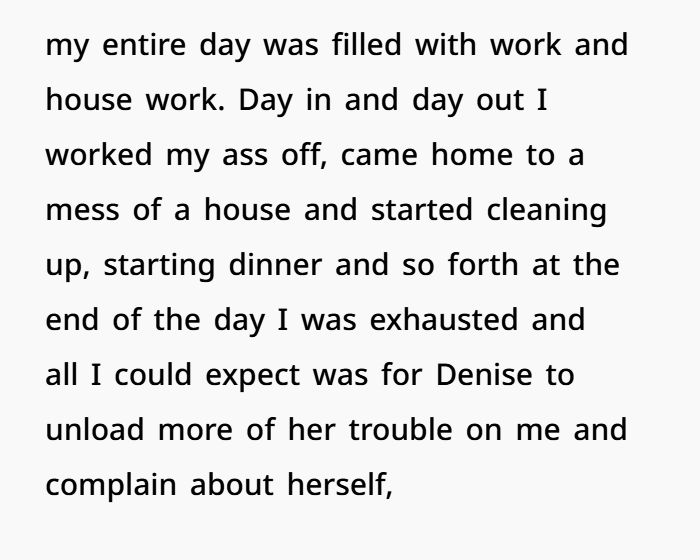
I’ve been caught in a whirlwind of emotions lately and just need to share my story to help make sense of things. I’ve been married to my wife, Denise (not her real name), for seven years. We dated for two years before that, and everything felt perfect. But after we got married, things took a turn. She started struggling with depression, and it slowly became the center of our relationship. For years, I took on everything—cleaning, cooking, and trying to take care of her mental health—but it drained me, emotionally and physically.
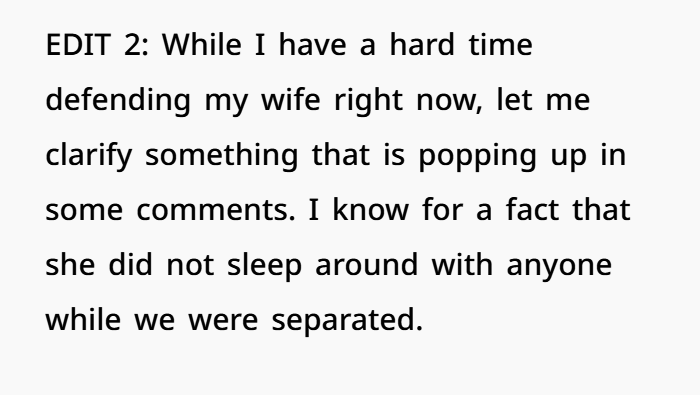
After years of feeling stuck in this one-sided dynamic, Denise left me three months ago. She said her therapy made her realize that I might be the cause of her depression, and she needed space to “heal.” I begged, I pleaded, and I humiliated myself trying to get her back. But eventually, I realized how miserable I had been. It was like a lightbulb went off, and I started rediscovering who I was before her depression took over my life. I got back to my hobbies, hung out with friends, and felt free for the first time in forever.
Now, Denise wants to come back. She’s crying, apologizing, and saying it was all a mistake. But I don’t feel the same anymore. I’m torn between guilt—because I know she’s struggling—and the reality that I’ve been unhappy for far too long. My family thinks I’m making a huge mistake, but deep down, I know I can’t go back to that life. And here I am, standing by my decision, even though it’s hard.
A wife left her husband of 7 years to see if she would be better off fighting depression without him
Yet, after some time, she came back to him with an interesting request


My Marriage Struggles
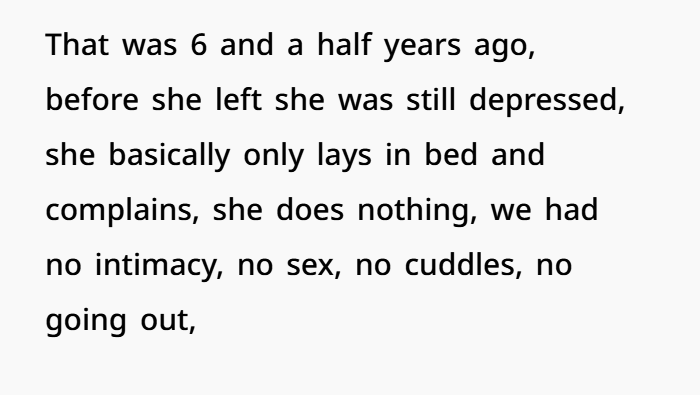
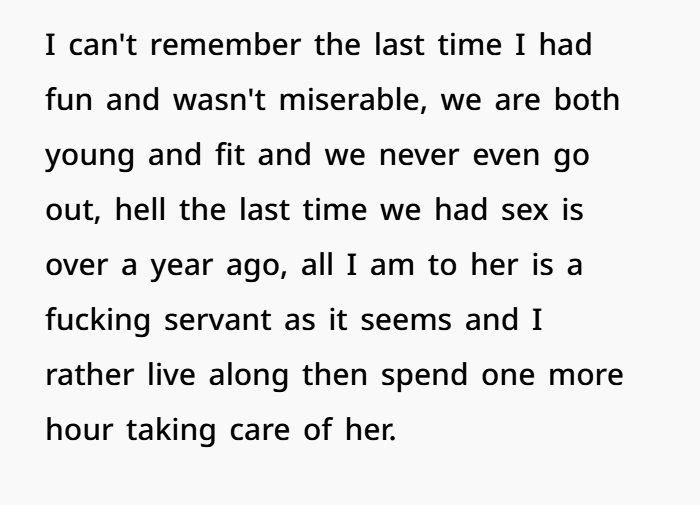
From the very beginning of our marriage, Denise’s depression became a huge part of our life. At first, I tried to be supportive, to understand, and to be the best husband I could be. I did everything I could—working full-time, taking care of the house, cooking, cleaning, you name it. She wasn’t able to help out much, and over time, intimacy completely faded away. No sex, no cuddling, no fun. It felt like we were living in two separate worlds under the same roof.
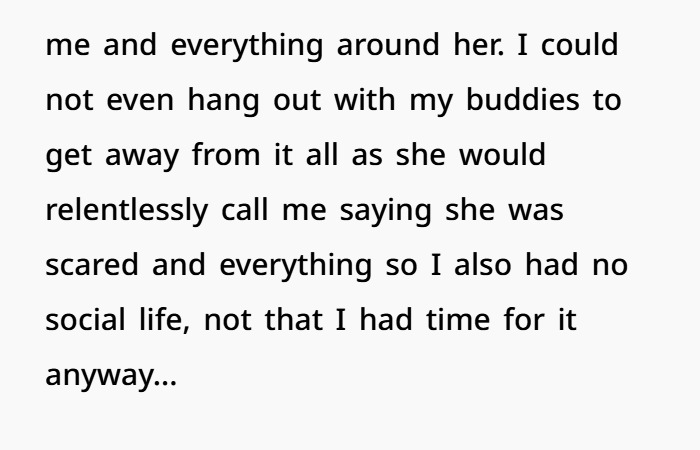
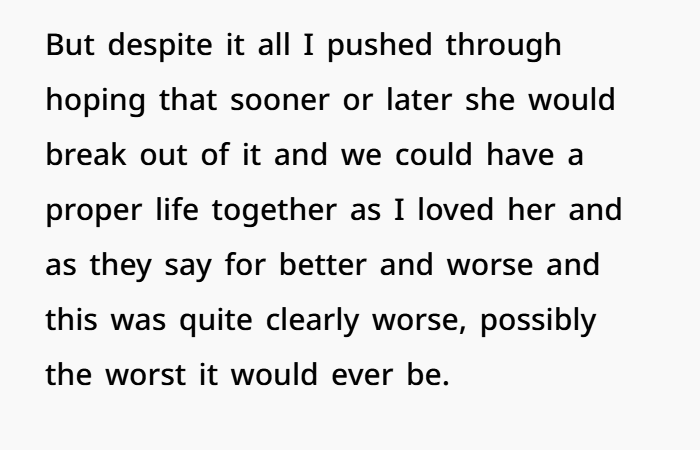
I pushed through for years, thinking things would eventually improve. But the problem was, they didn’t. I had to fight for any bit of happiness outside of work and home. I couldn’t even spend time with my friends without her calling me constantly, feeling scared and lost. I felt like I was more of her caregiver than her husband, and slowly, I lost myself in the process.
Over time, I started feeling resentful. I didn’t feel loved, wanted, or appreciated. I was just there, doing everything I could to keep our marriage afloat, but there was nothing left for me. I tried talking to her about it, but the responses were always the same: “I’m sorry, I just don’t have it in me right now.” And that hurt.
The Realization That Changed Everything
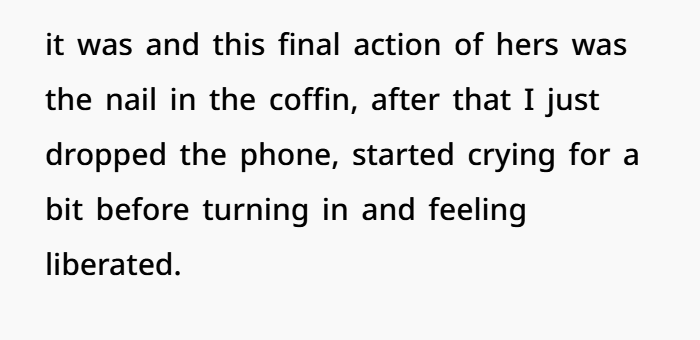
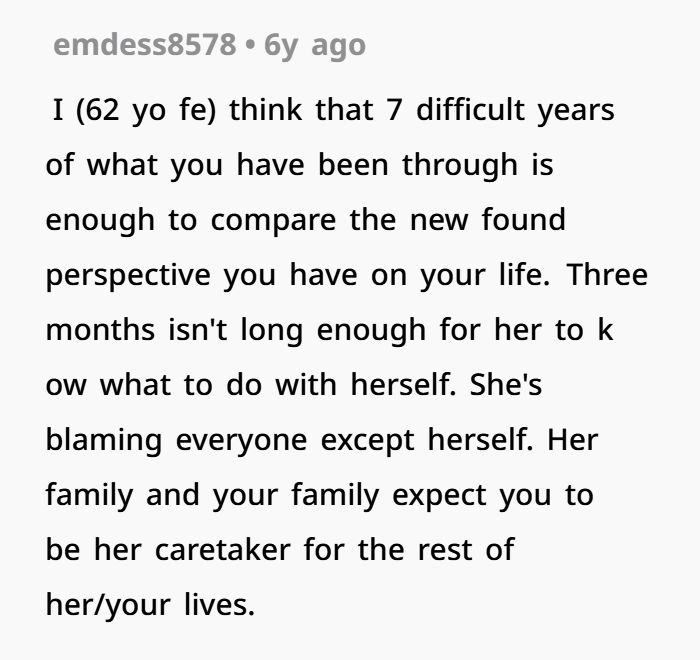
When Denise left, I felt like a weight had been lifted off my shoulders. It was a weird feeling—overwhelmed with relief, but also guilty. For the first time in years, I could breathe. I spent a month calling her, begging for answers, and apologizing for things I didn’t even know I’d done wrong. I just wanted to fix everything. But over the next couple of months, I realized that I wasn’t miserable because of anything I did or didn’t do. I was miserable because of what our marriage had become.
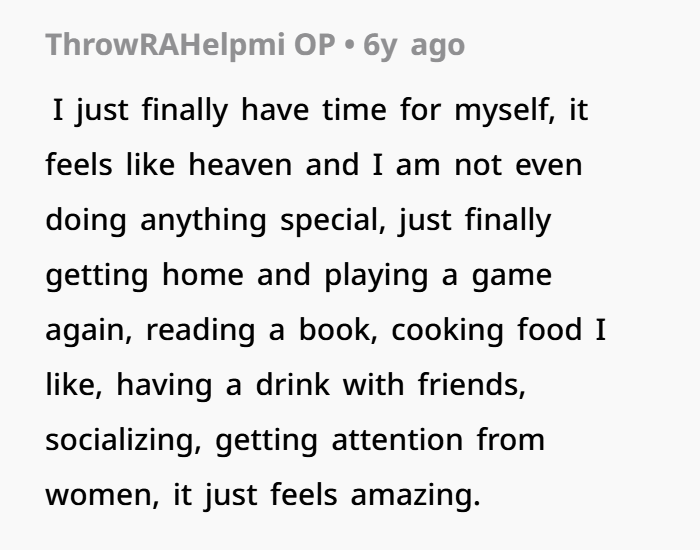
I began rediscovering my own happiness. I went out with friends, played games, and remembered who I was before all of this. I realized I had been giving everything for so long that I had nothing left for myself. The idea of being a “caretaker” for Denise became unbearable. And that’s when I realized—I no longer loved her.

The Guilt and the Decision
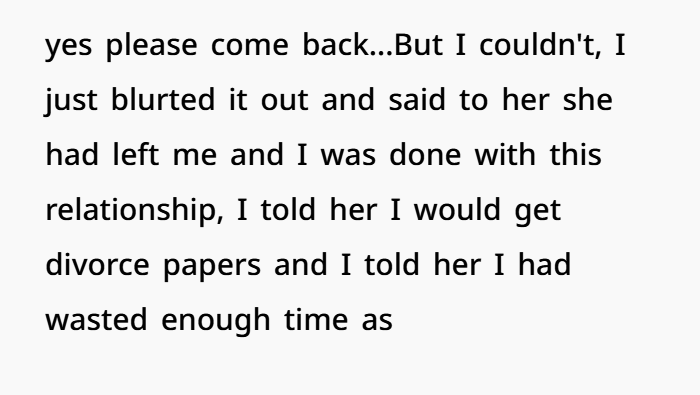
Then, she called. Sobbing, apologizing, and begging me to take her back. She said she made a huge mistake and that she loved me. For a moment, I was tempted to give in. I thought, “Maybe I could try again, maybe we can fix this.” But the more I thought about it, the more I realized I couldn’t go back. I couldn’t go back to being miserable, carrying her emotional weight, and constantly putting myself last.
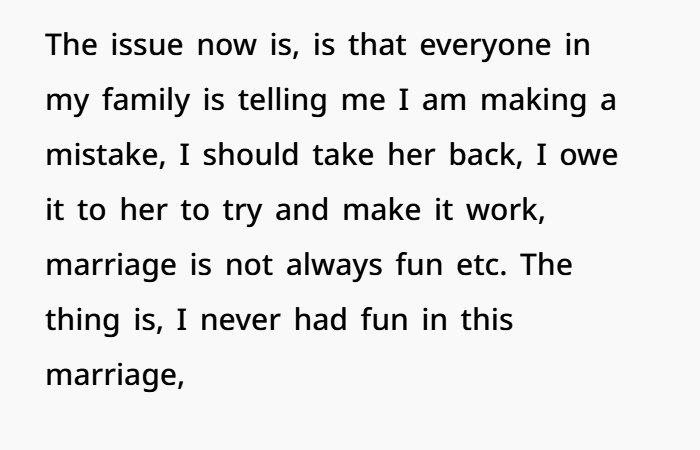
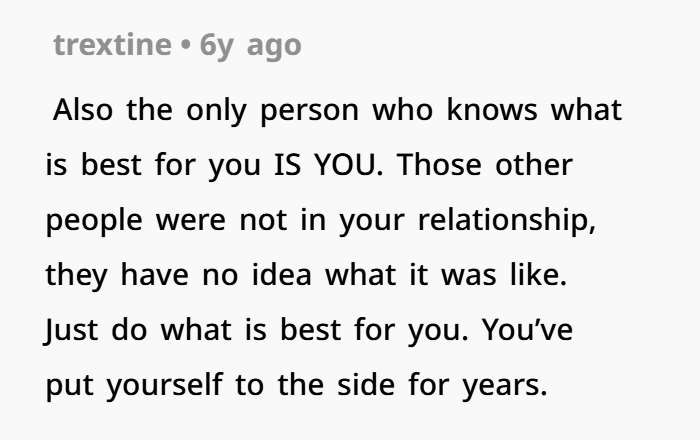
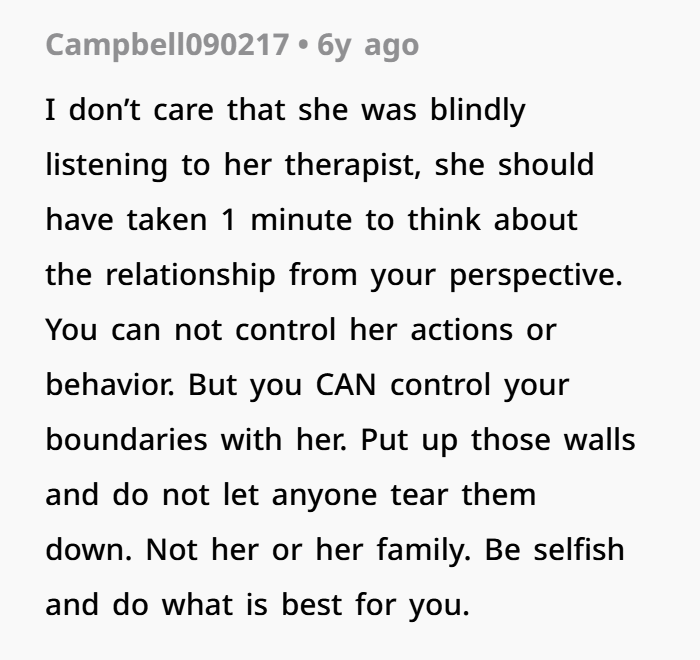
It wasn’t an easy decision, and it still haunts me. My family thinks I’m making a mistake, saying that marriage isn’t always supposed to be fun, that I should take her back because she’s depressed and needs me. But I’ve given enough of myself to this relationship. I’ve sacrificed my happiness, my mental health, my time—and for what? It’s not about leaving someone who’s struggling with depression, it’s about recognizing I’ve been in a toxic, one-sided relationship for too long.
Why I’m Sticking to My Decision
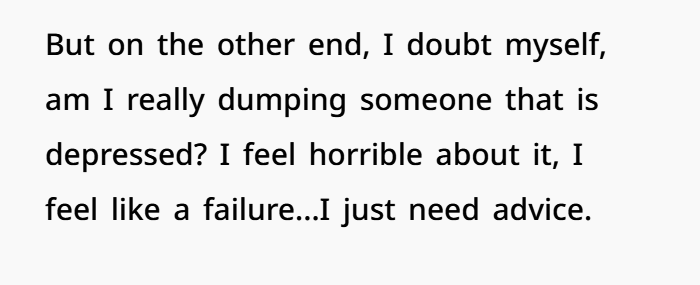
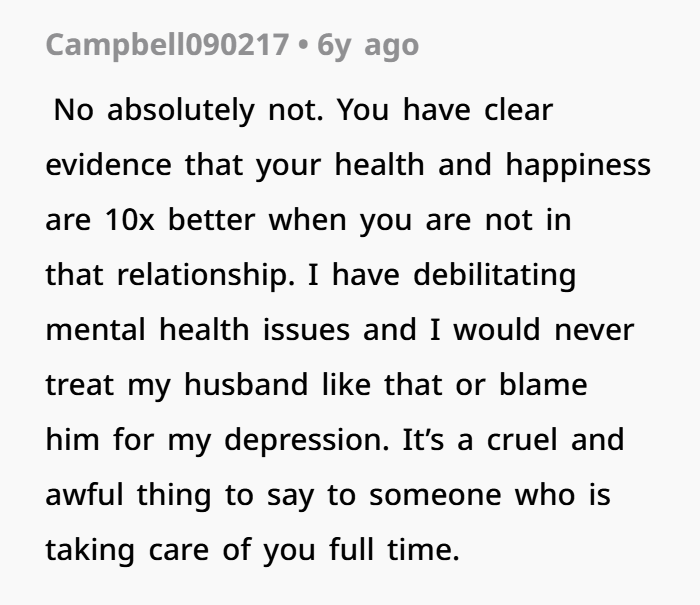
People keep asking me if I’m just abandoning someone who’s depressed, and I feel the weight of that question. It feels selfish to walk away from someone who needs help, especially when they love you. But there’s only so much one person can give, and I’ve already given more than enough.
Depression is real, and I understand it’s not Denise’s fault, but it doesn’t mean I should sacrifice my happiness for her. I’m not a therapist or a caretaker—I’m a person who deserves love and companionship, not just responsibility and endless sacrifice. I’m sticking to my decision because, at the end of the day, I deserve more than what this relationship has given me. And maybe, just maybe, that’s okay.
“When she was gone, for a while, I actually felt happy,” the husband admitted guiltily
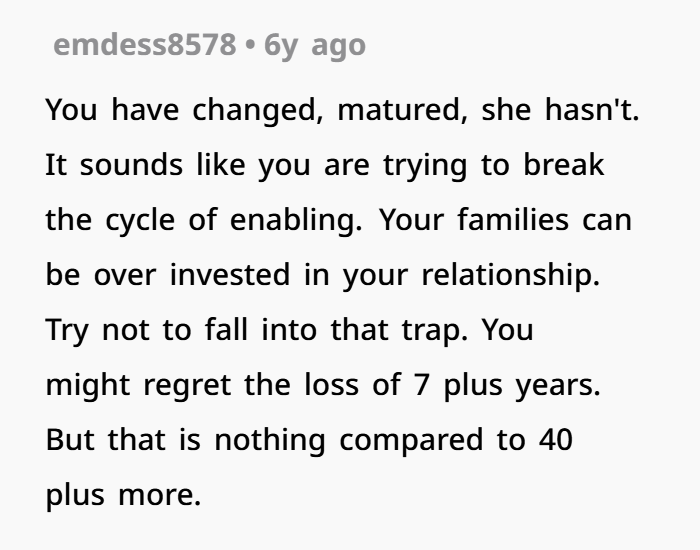
This situation is tough, and I won’t lie—I still have moments of doubt. But deep down, I know I’m doing what’s best for me. Relationships are meant to add value to our lives, not drain us. I’m learning that it’s okay to put my mental health first, and maybe that’s something we all need to remember when we find ourselves in toxic situations. If you’re stuck in something similar, just know that it’s okay to let go when you realize your happiness is on the line.