
Workplace Affair with a Married Boss: Power Dynamics, Emotional Entanglement, and the Aftermath of Exposure

This story is about a workplace relationship that developed between a young employee and her boss over time.
The employee, 25, and her boss, 40, became closer after a work social event where alcohol lowered boundaries. What started as casual friendly interaction slowly turned into a secret workplace relationship that lasted almost a year.
At first, they tried to keep things professional. But over time, they began meeting outside work and developed a strong emotional connection. This led to both of them becoming emotionally dependent on each other.
The employee was in an open relationship with her own partner. The boss, however, was married and had a child. He sometimes said his unhappy marriage was a reason to continue the relationship.
As the connection grew, they both started ignoring the reality of the situation, including secrecy, guilt, and the fact that the boss was in a position of authority at work. This created a clear power imbalance and raised serious workplace ethics concerns.
When the boss’s spouse eventually found out, the situation ended quickly. All contact outside of work stopped, and the relationship was broken off.
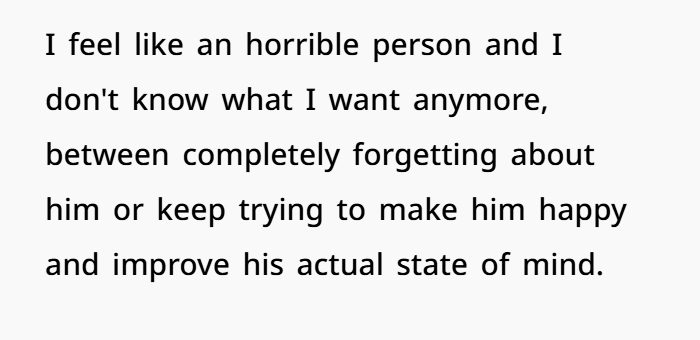
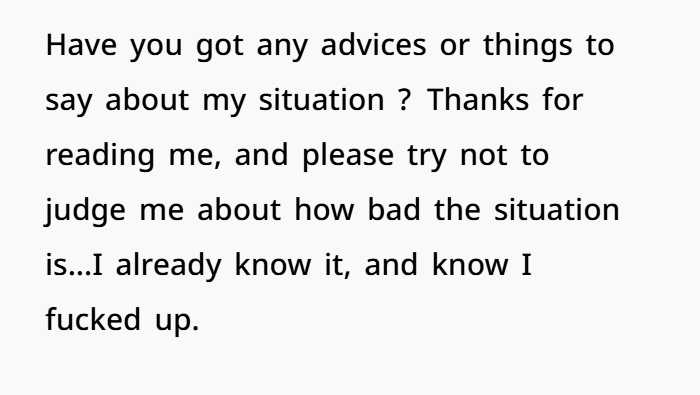
Afterwards, the employee felt upset, confused, and guilty. It also affected work life, personal relationships, and trust for both people involved.
This story highlights issues around workplace relationships, office affairs, emotional boundaries, and professional ethics, especially when a manager or supervisor is involved.

This situation involves a workplace relationship between a boss and an employee, which is considered high-risk in both legal and psychological terms because of the power difference.
Workplace Rules and Legal Concerns
In many workplaces, relationships between a manager and a subordinate are discouraged or restricted. This is because the boss has more power, which can create problems with fairness and consent.
Guidance from the U.S. Equal Employment Opportunity Commission (EEOC) explains that relationships in a reporting line can lead to concerns about sexual harassment or “quid pro quo” situations, where consent may be questioned due to job pressure.
Even if both people agree, companies may still have strict policies because of conflict of interest, workplace ethics, and HR compliance rules.
Legal Side of the Situation
In many countries, having a relationship outside marriage is not always a criminal issue, but it can still create serious consequences such as:
- Divorce or custody disputes
- Workplace disciplinary action
- Job loss or resignation
- Damage to professional reputation
In workplace cases, the biggest legal risk is usually not the affair itself, but breaking company rules or harassment policies.
Psychological Factors
Psychology research shows that workplace relationships can develop quickly because of:
- Emotional stress at work
- Frequent interaction
- Private communication
- Secrecy and excitement
These factors can create strong emotional attachment, sometimes called limerence, where feelings become intense and fast-moving.
This is often studied in attachment theory and relationship psychology, where emotional intensity can grow even when the situation is complicated or risky.
What Happens When the Relationship Ends
In many similar cases:
- The relationship ends quickly after it is discovered
- The married partner often distances themselves to protect family and job
- The employee may feel more emotional pain and confusion
- Workplaces may take disciplinary action or separate staff
Studies and HR reports show that the lower-power employee often experiences more stress, emotional distress, and workplace anxiety after the breakup.
Workplace Policies and Prevention
Because of these risks, many companies use:
- HR compliance rules
- Workplace ethics training
- Mandatory disclosure policies
- Anti-harassment guidelines
These are designed to prevent power-imbalance relationships and legal issues in the workplace.
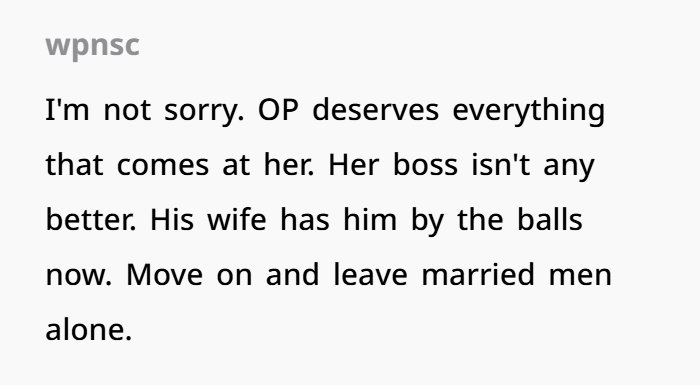
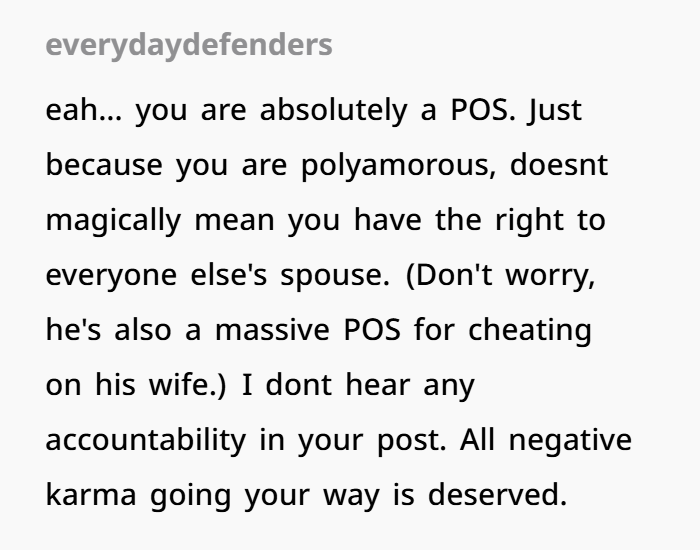
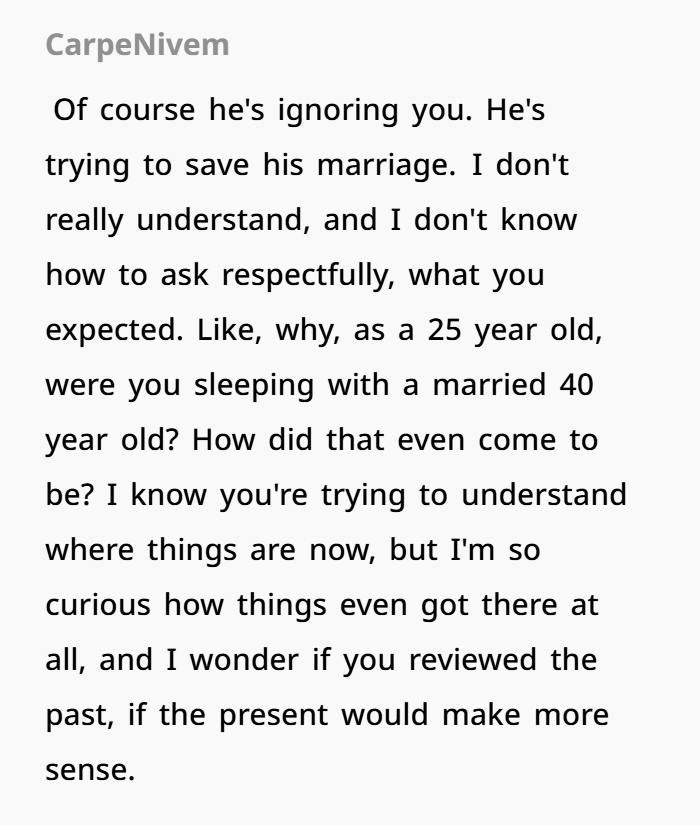
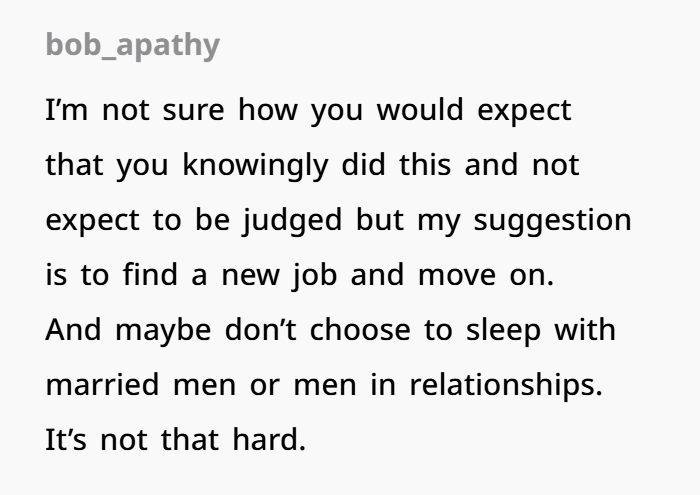
See the comments to know what people said




This story highlights how workplace relationships, power imbalance, and emotional attachment can quickly become complicated.
Even when both people agree, the mix of boss-employee hierarchy, secrecy, and workplace rules can lead to serious personal and professional consequences, including stress, breakup, and job-related problems.